

The Scientific Evidence Behind Vitamins, Minerals, Omega-3 and Myo-Inositol – Can Diet, Lifestyle Modifications and Nutritional Supplements Really Help Manage PCOS / PMOS?
This is one of the most comprehensive, scientific and evidence based approach to manage or prevent PCOS/PMOS using a combination of exercise, lifestyle modifications, nutrition and supplements. Why we recommend supplements: A large percentage of Indians experience PCOS micronutrient deficiencies and are deficient in essential vitamins and minerals. Supplementation can help bridge these nutritional gaps while improving the diet with nutrient-rich foods. Please share this information with your loved ones who may benefit from it.
While nutrition plays a fundamental role in PCOS management, not every supplement works, and not every woman benefits equally. Some supplements are supported by multiple randomized clinical trials, whereas others are promoted largely on theoretical grounds or basis small, low-quality studies.
The latest 2023 International PCOS Guideline emphasises that lifestyle modification remains the cornerstone of treatment, but also recognises that selected nutritional interventions—particularly in women with documented deficiencies or insulin resistance—may improve metabolic and reproductive outcomes.
For Indian women, this discussion is especially relevant. India has one of the world’s highest rates of vitamin D deficiency, vitamin B12 deficiency, Iron deficiency and suboptimal Magnesium intake, while vegetarian dietary patterns may further influence micronutrient status. This article critically examines what the scientific evidence actually shows.
Before Discussing Supplements: Food Comes First
One of the biggest myths surrounding PCOS / PMOS is that supplements can compensate for an unhealthy diet. They cannot. The strongest evidence for improving PCOS / PMOS still comes from:
-
Weight reduction (where appropriate)
-
Higher-quality dietary patterns
-
Regular physical activity
-
Better sleep
-
Stress reduction
Supplements should be viewed ONLY as adjuncts, and not as replacements.
Core Micronutrient Deficiencies in Indian Women with PCOS / PMOS
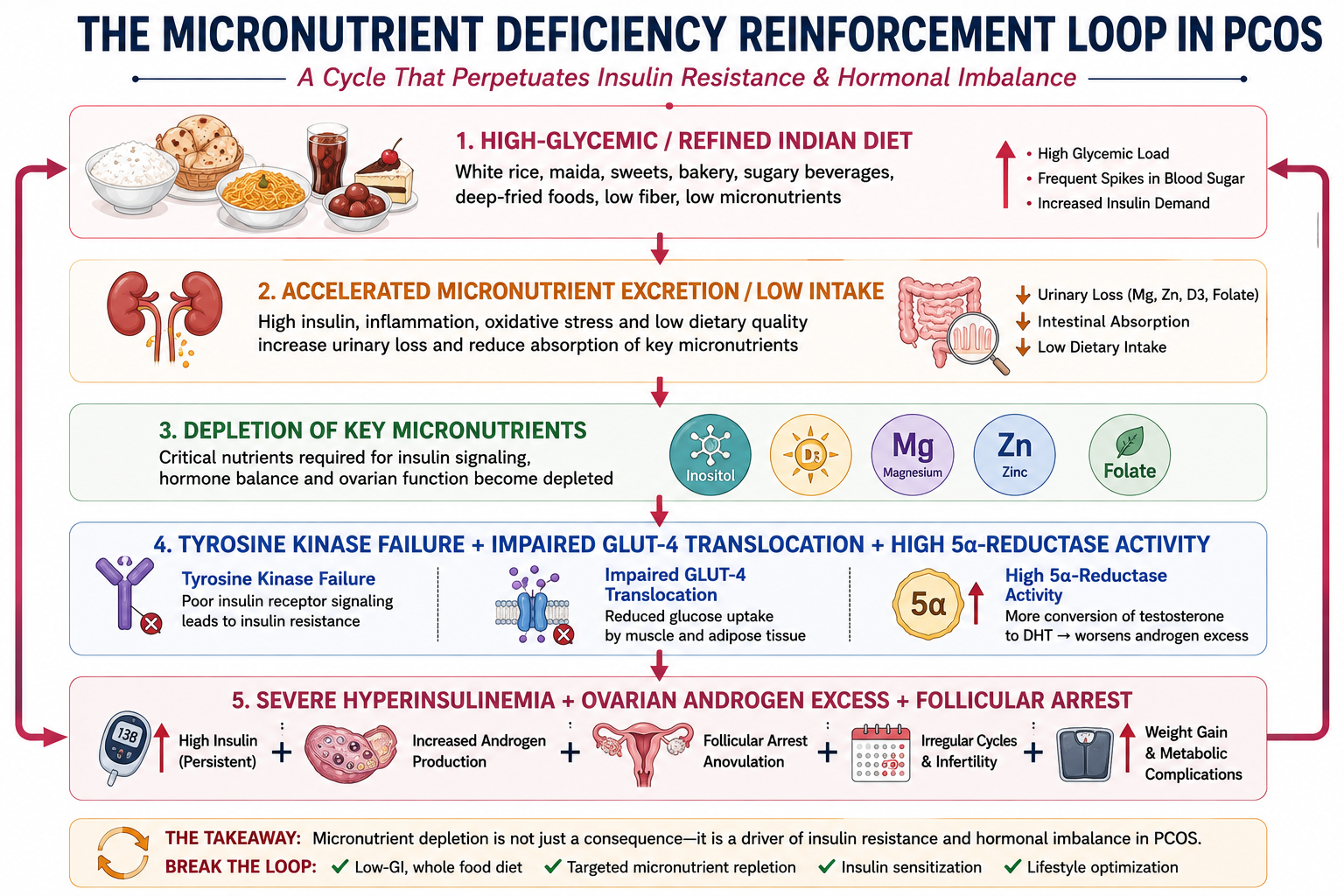
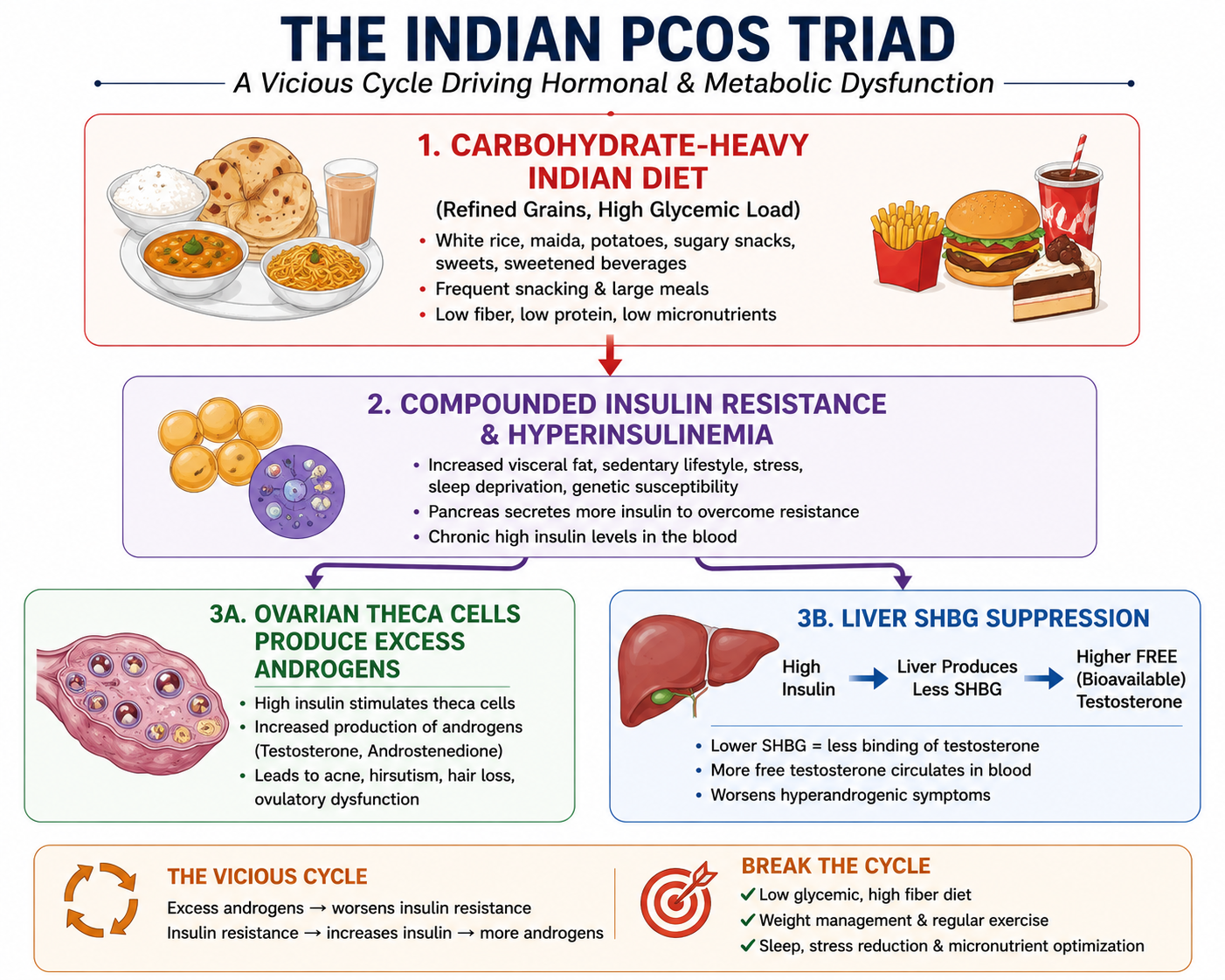
The daily dietary intake of Modern Indian population— excessively vegetarian foods, characterized by refined carbohydrates with high glycemic load (GL), industrial seed oils rich in Omega-6 polyunsaturated fatty acids (PUFAs), and low intake of nutrient-dense whole foods—creates a chronic depletion of key micronutrients.
In South Asian women genetically predisposed to the Asian-Indian Phenotype (marked by high visceral adiposity, sarcopenia, and pronounced postprandial hyperinsulinemia), these micronutrient deficits act as metabolic exacerbators, directly worsening insulin resistance, androgen overproduction, and ovulatory arrest.
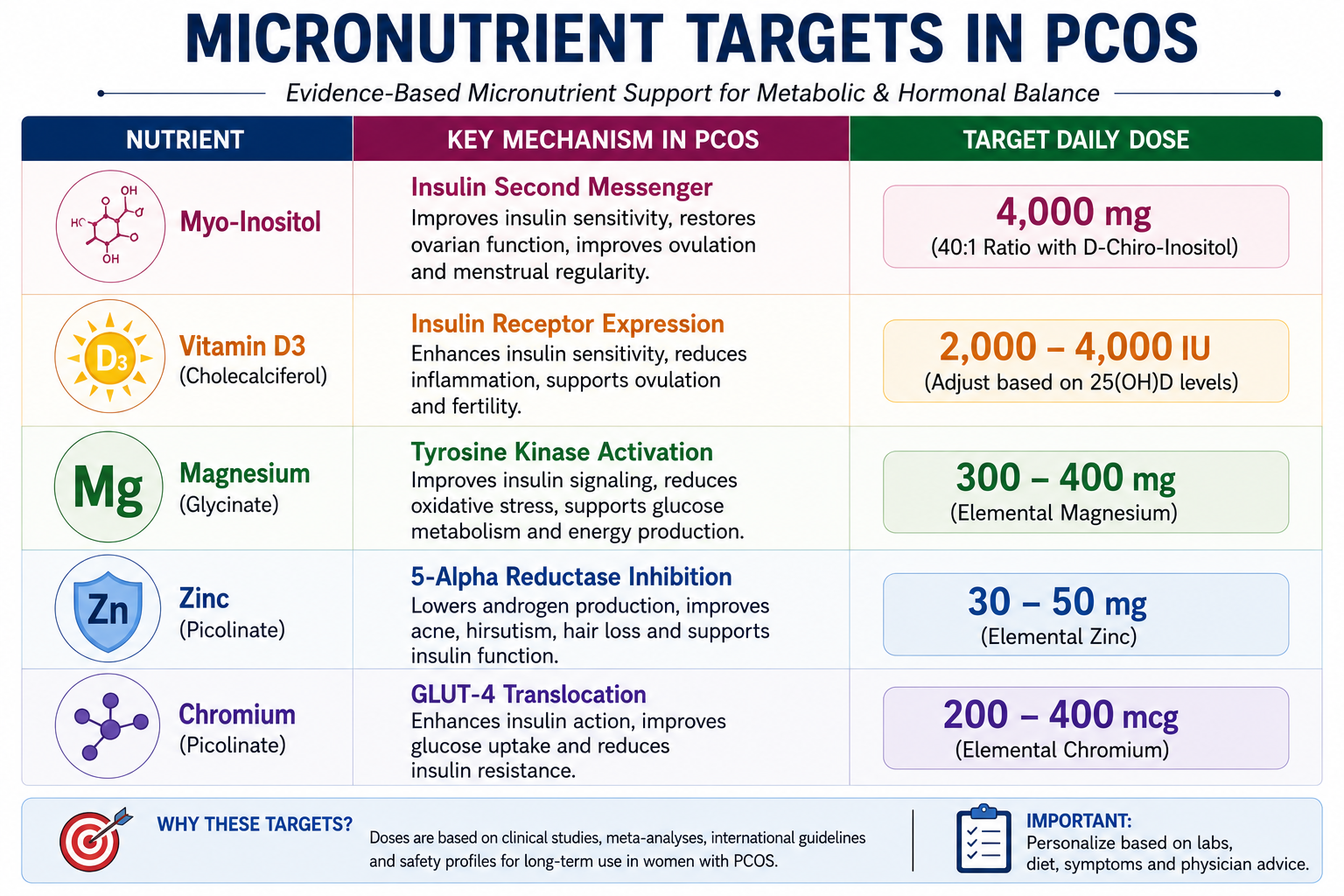
1. The Inositol Axis: Myo-Inositol (MI) & D-Chiro-Inositol (DCI)
Physiological Role & Molecular Signaling – Inositols are carbocyclic polyols that serve as secondary messengers for intracellular signal transduction downstream of the insulin receptor.
-
Myo-Inositol (MI): Converts into an inositol phosphoglycan (IPG) containing myo-inositol, which activates glucose transporters (GLUT-4) and mediates cellular glucose uptake in skeletal muscle and adipose tissue. In the ovary, Myo-Inositol mediates Follicle-Stimulating Hormone (FSH) signaling, regulating granulosa cell proliferation and maturation.
-
D-Chiro-Inositol (DCI): Derived from the conversion of Myo-Inositol by a tissue-specific, insulin-dependent enzyme called epimerase. DCI mediates glycogen synthesis in the liver and resting tissue and directly regulates insulin-stimulated androgen synthesis in ovarian theca cells.
Pathophysiology of Deficiency in Indian Women
-
Hyperinsulinemia-Induced Epimerase Dysregulation: In South Asian women experiencing severe hyperinsulinemia, tissue-specific epimerase activity becomes altered. In peripheral tissue (skeletal muscle), epimerase activity is inhibited, causing cellular Myo-Inositol accumulation and D-Chiro-Inositol deficiency, leading to severe peripheral insulin resistance.
-
The “Ovarian Paradox”: Unlike peripheral tissues, the ovary remains sensitive to insulin. High systemic insulin accelerates epimerase activity inside the ovary, causing excessive conversion of MYO-INOSITOL into D-Chiro-Inositol. This leads to intra-ovarian Myo-Inositol depletion and a pathologically high local DCI concentration.
-
Clinical Consequences: Depleted intra-ovarian MI impairs FSH receptor signaling, causing arrest of follicle development. Simultaneously, excessive ovarian DCI upregulates theca cell testosterone synthesis.
Scientific Evidence & References
-
Unfer et al. (2014): Demonstrated that a 40:1 MI to DCI ratio matches the physiological ratio found in plasma and follicular fluid. Restoring this precise ratio improved metabolic profiles, restored ovulation, and enhanced oocyte quality in women with PCOS, whereas high-dose DCI alone worsened oocyte quality. (Unfer A, et al. Alteral ratio of myo-inositol to d-chiro-inositol in follicular fluid of patients with PCOS. Reprod Biomed Online. 2014;28(4):504-508.)
-
PCOS Society of India Clinical Consensus: Emphasizes that high-carbohydrate Indian diets accelerate inositol urinary loss and recommends 4,000mg/day Myo-Inositol in a 40:1 ratio with DCI as a foundational non-pharmacological agent for metabolic restoration.
2. Vitamin D3 & Calcium Homeostasis
Vitamin D acts as a steroid hormone rather than a simple vitamin.
-
Insulin Receptor Gene Activation: Vitamin D directly upregulates the transcription of human insulin receptor genes in pancreatic beta-cells, liver and skeletal muscle
-
Folliculogenesis & AMH Regulation: Vit D3 directly regulates the promoter region of the Anti-Müllerian Hormone (AMH) gene and AMH Receptor II facilitating the transition of primary follicles into mature pre-ovulatory follicles
Pathophysiology of Widespread Deficiency in India
Epidemiological studies indicate that 80% to 90% of urban Indian women suffer from Vitamin D3 deficiency (< 20 ng/mL).
-
Melanin Interference: High epidermal melanin concentration acts as a natural sun filter, requiring South Asian skin to have 3 to 5 times longer UV-B exposure than Caucasian skin to synthesize equivalent pre-Vitamin D3.
-
Urban/Sedentary Lifestyle: Minimal direct sunlight exposure combined with cultural clothing practices and high urban pollution limits cutaneous synthesis.
Impact on PMOS
-
Aggravated Insulin Resistance: Low Vit D3 worsens baseline metabolic insulin resistance.
-
Follicular Arrest: Absence of adequate Calcitriol, results in low FSH, locking follicles in the pre-antral state (“polycystic” appearance)
Scientific Evidence & References
-
Pal et al. (2012): Demonstrated that Vitamin D supplementation in Vitamin D-deficient women with PCOS significantly decreased serum total testosterone, improved insulin sensitivity, and normalized menstrual regularity. (Pal L, et al. Vitamin D status relates to reproductive outcome in women with PCOS. Nutrients. 2012;4(10):1474-1485.)
-
Samy et al. (2015): A clinical trial evaluating 50,000 IU weekly Vitamin D supplementation in women with PCOS showed significant reductions in fasting plasma glucose, serum insulin, HOMA-IR, and serum triglycerides compared to placebo. (Samy EM, et al. Effect of Vitamin D supplementation on metabolic parameters in PCOS. Gynecol Endocrinol. 2015;31(11):862-866.)
3. Magnesium & Intracellular Phosphorylation
Magnesium serves as an obligate cofactor for over 300 enzymatic reactions, most notably those involving the transfer of phosphate groups from adenosine triphosphate (ATP).
Pathophysiology of Deficiency in Indian Diets
-
Agricultural Soil Depletion & Processing: Modern Indian agricultural soils are severely depleted of Magnesium due to intensive farming. Processing grains removes the Magnesium-rich bran layer.
-
High Phytate Consumption: Unsoaked, unfermented Indian grains and legumes contain high levels of phytic acid, which forms insoluble chelates with Magnesium in the gut lumen, blocking absorption.
-
Hyperinsulinemia-Induced Renal Wasting: High circulating insulin levels impair the renal tubular reabsorption of Magnesium, accelerating urinary Magnesium excretion and creating a compounding cycle of depletion.
Impact on PMOS
Low intracellular free Magnesium levels prevent efficient auto-phosphorylation of the insulin receptor . This disrupts downstream signaling leading to insulin resistance and compensatory hyperinsulinemia.
Scientific Evidence & References
-
Sharifi et al. (2012): Evaluated Magnesium status in women with PCOS versus healthy controls, finding significantly lower serum and intracellular Magnesium levels in the PCOS group (p < 0.01). Serum Magnesium was inversely correlated with HOMA-IR and fasting insulin levels. (Sharifi F, et al. Serum magnesium concentrations in polycystic ovary syndrome and its association with insulin resistance. Biol Trace Elem Res. 2012;145(2):121-124.)
-
Jamilian et al. (2019): A randomized, double-blind, placebo-controlled trial demonstrating that co-supplementation of Magnesium and Vitamin D twice daily for 12 weeks in women with PCOS led to significant reductions in HOMA-IR, serum insulin, serum testosterone, and hirsutism scores. (Jamilian M, et al. Effects of magnesium and vitamin D co-supplementation on metabolic status in PCOS. Biol Trace Elem Res. 2019;189(1):58-64.)
4. Zinc
Zinc is an essential trace element and functions as an enzymatic modulator across various physiological processes.
-
Zinc exerts a direct, concentration-dependent inhibitory effect on alpha-Reductase Type 1 and Type 2, the enzymes responsible for converting free testosterone into its more potent metabolite, Dihydrotestosterone (DHT).
-
Insulin Hexamer Storage: In pancreatic beta-cells, insulin molecules are synthesized and stored as zinc-insulin hexamers. Zinc is required for the crystallization, storage, and regulated secretion of insulin.
Zinc Deficiency in Indian Diets
-
Vegetarian High-Phytate Intakes: Phytates present in whole grains, lentils, and unsoaked legumes bind dietary Zinc, preventing absorption in the duodenum and jejunum. The phytate-to-Zinc molar ratio in conventional Indian thalis frequently exceeds 15:1, a threshold associated with poor Zinc bioavailability.
-
Low Bioavailable Animal Protein Intake: Plant-based Zinc sources lack the synergistic amino acids (cysteine and methionine) present in animal proteins that keep Zinc soluble in the intestinal lumen.
Impact on PMOS
-
Hyperandrogenic Features: Low systemic Zinc concentrations accelerate local conversion of testosterone to DHT within skin and hair follicles, exacerbating hirsutism, severe cystic acne, and female pattern androgenic alopecia.
-
Impaired Insulin Processing: Zinc deficiency leads to unstable insulin storage within the pancreas, resulting in erratic, exaggerated insulin spikes following carbohydrate ingestion.
Scientific Evidence & References
-
Foroozanfard et al. (2015): Conducted a randomized, double-blind, placebo-controlled trial assessing 50mg/day elemental Zinc supplementation for 8 weeks in women with PCOS. The Zinc group showed significant reductions in hirsutism, alopecia, fasting plasma glucose, and serum insulin levels (Foroozanfard F, et al. Effects of zinc supplementation on markers of insulin resistance and lipid profiles in women with PCOS. Biol Trace Elem Res. 2015;166(2):128-135.)
5. Active B-Vitamins: Folate & Vitamin B12 (Cobalamin)
The 1-carbon methylation cycle is responsible for DNA synthesis, histone methylation, and the remethylation of toxic Homocysteine back into Methionine.
-
Active Folate (L-5-Methyltetrahydrofolate): Converts homocysteine to methionine via the enzyme methionine synthase (MTR).
-
Vitamin B12 (Methylcobalamin): Serves as an essential cofactor for MTR.
Pathophysiology of Deficiencies & Genetic Polymorphisms in India
-
High Prevalence of the MTHFR C677T & A1298C Polymorphisms: Genetic studies reveal that 40% to 70% of the South Asian population carries single nucleotide polymorphisms (SNPs) in the Methylenetetrahydrofolate Reductase (MTHFR) gene. This reduces the enzyme’s capacity to convert synthetic folic acid into biologically active L-5-MTHF by 30% to 70%.
-
Widespread Vit. B12 Deficiency in Vegetarians: Vitamin B12 cannot be synthesized by plants. Over 65% of the Indian population exhibits clinical or subclinical Vit. B12 deficiency.
-
Metformin-Induced Vit. B12 Malabsorption: In women with PMOS treated with Metformin, competitive inhibition of calcium-dependent ileal absorption reduces serum Vit B12 levels further within 3–6 months of initiation.
Impact on PMOS
Deficiencies in active folate and Vit. B12 disrupt methylation, causing Hyperhomocysteinemia. Elevated homocysteine induces:
-
Endothelial Dysfunction: Vascular inflammation within the ovarian stroma.
-
Impaired Oocyte Maturation: Homocysteine accumulation in follicular fluid impairs spindle assembly during meiosis, leading to poor egg quality, higher rate of early pregnancy loss, and persistent anovulation.
Scientific Evidence & References
-
Kilicdag et al. (2005): Evaluated the effects of administration of 1 mg/day active folate versus placebo in women with PCOS. The folate group demonstrated significant decreases in serum homocysteine, fasting insulin, and HOMA-IR. (Kilicdag EB, et al. Folic acid administration improves endothelial dysfunction and insulin resistance in patients with PCOS. Hum Reprod. 2005;20(6):1521-1528.)
-
Foroozanfard et al. (2017): Conducted a double-blind randomized trial testing folate and Vit B12 co-supplementation in PCOS patients, documenting reductions in serum homocysteine, total cholesterol, and markers of oxidative stress. (Foroozanfard F, et al. Metabolic responses to folate and vitamin B12 co-supplementation in PCOS. Clin Nutr. 2017;36(5):1234-1239.)
6. Chromium Picolinate
Trivalent chromium is an essential trace element required for proper glucose metabolism. Chromium deficiency impairs chromodulin binding, leaving tyrosine kinase activity muted even in the presence of elevated circulating insulin. Supplemental chromium picolinate restores chromodulin amplification, facilitating GLUT-4 translocation to the cell membrane and reducing overall insulin demand.
Scientific Evidence & References
-
Jamilian et al. (2016): Evaluated 200 mcg/day chromium picolinate supplementation for 8 weeks in women with PCOS in a randomized, double-blind, placebo-controlled trial. Chromium supplementation resulted in significant reductions in fasting plasma glucose, serum insulin, HOMA-IR, and total cholesterol compared to placebo (p < 0.01). (Jamilian M, et al. Effects of chromium supplementation on endocrine, metabolic, and inflammatory parameters in PCOS. Biol Trace Elem Res. 2016;172(1):72-78.)
-
Amr & Abdel-Rahman (2015): Demonstrated that 1,000 mcg/day chromium picolinate for 6 months reduced BMI, decreased fasting insulin, restored ovulation, and normalized regular menses in a significant cohort of women with refractory PCOS. (Amr N, Abdel-Rahman A. Effects of chromium picolinate on insulin resistance and ovulation in PCOS. J Reprod Infertil. 2015;16(4):213-218.)
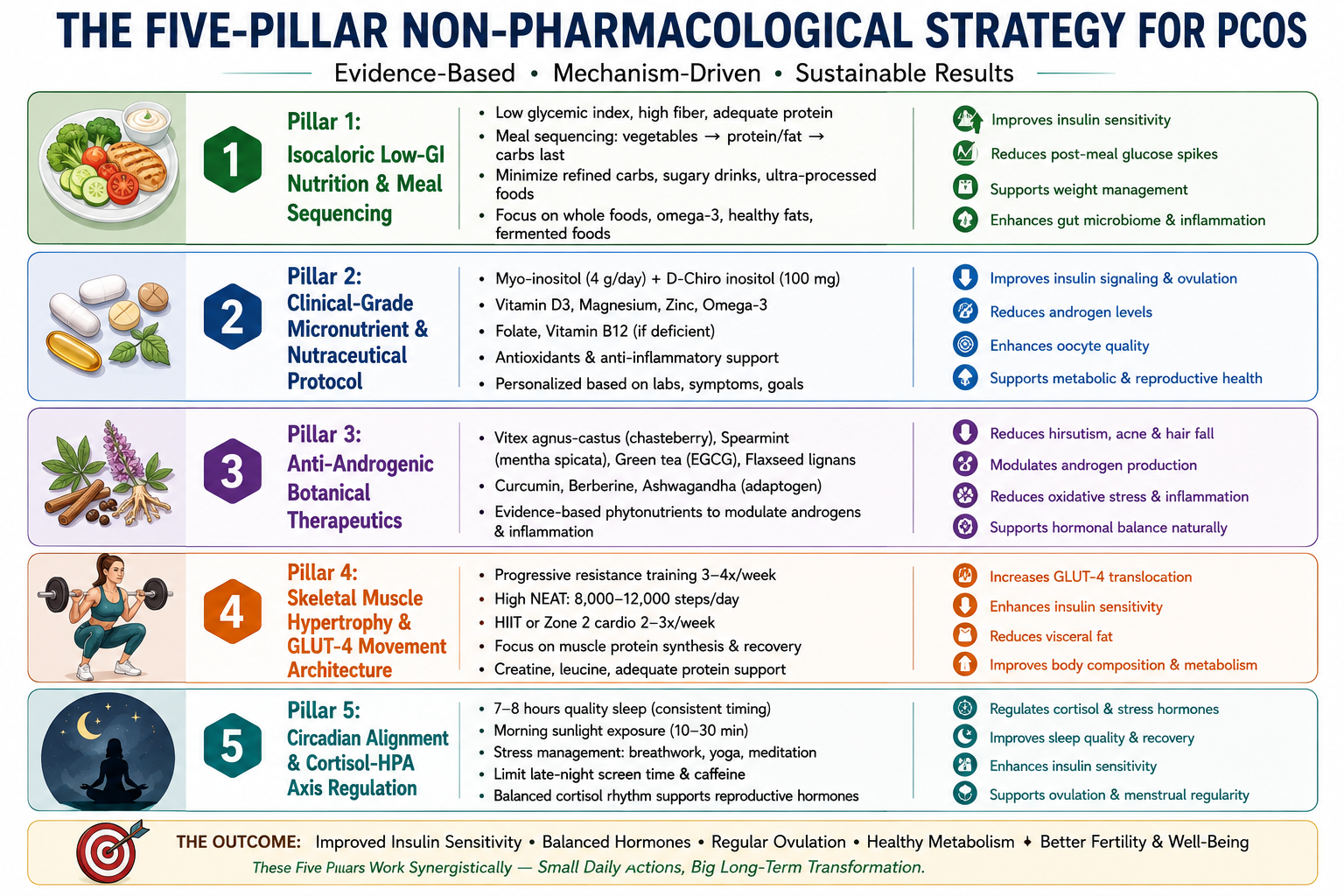
SECTION 2: Comprehensive Non-Pharmacological Strategy for PMOS Management & Prevention
This strategy addresses the core metabolic drivers of PMOS without relying on pharmacological agents (such as combined oral contraceptive pills, Metformin, or anti-androgens).
The protocol combines isocaloric nutrition, targeted nutraceutical dosing, anti-androgenic botanicals, hypertrophy-focused movement, and circadian-cortisol regulation.
PILLAR 1: Isocaloric Low-GI Nutrition & Meal Sequencing
1. Macronutrient Redistribution Model
Instead of calorie restriction (which triggers hypothalamic amenorrhea and muscle wasting, particularly in Lean PMOS), apply an Isocaloric Re-balancing model matching maintenance calories:
-
Carbohydrates (20% – 25% of Total Energy): Exclusively low glycemic index (GI < 55) and low glycemic load (GL < 10). Primary sources: Foxtail millet, Jowar (Sorghum), Bajra (Pearl Millet), hand-pounded unpolished Red/Black rice, and Chana Atta.
-
Protein (25% – 30% of Total Energy): Target intake of Protein should be 1.2 to 1.6 g/kg of ideal body weight per day to support skeletal muscle synthesis and blunt glucose absorption. Primary sources: Meat, Fish, Eggs, Soya chunks, Paneer, Tofu, Whole Moong, Sprouted Chana and Poultry.
-
Healthy Dietary Fats (45% – 50% of Total Energy): Monounsaturated Fatty Acids (MUFAs) and Omega-3 Fatty Acids to restore cell membrane fluidity and support steroidogenesis. Primary sources: Pure Desi Ghee, Butter / Home Made Butter, Fatty Fish, Home Made Cream, Coconut Oil, Soaked Almonds/Walnuts, and Seeds (Flax, Pumpkin, Sunflower).
2. The Meal Sequencing Protocol
The sequence in which food groups are ingested alters gastric emptying rates and blunts postprandial glucose and insulin excursions.
-
Step 1: Eat 100 to 150 g of raw non-starchy vegetables (cucumber, carrot, radish) or sautéed greens with 1 tbsp apple cider vinegar or lemon juice.
-
Step 2: Consume the main protein and fat portions (e.g., Meat / Fish / Chicken / Paneer / Tofu / Egg curry cooked in Ghee).
-
Step 3: Finish with the complex carbohydrate component (e.g., 1 Jowar Roti or 1/2 cup Red Rice).
-
Clinical Effect: Studies confirm this sequence reduces postprandial glucose peaks by up to 45% and postprandial insulin spikes by up to 40%, mimicking the acute effect of a short-acting GLP-1 agonist or alpha-glucosidase inhibitor.
PILLAR 2: Clinical-Grade Micronutrient & Nutraceutical Protocol
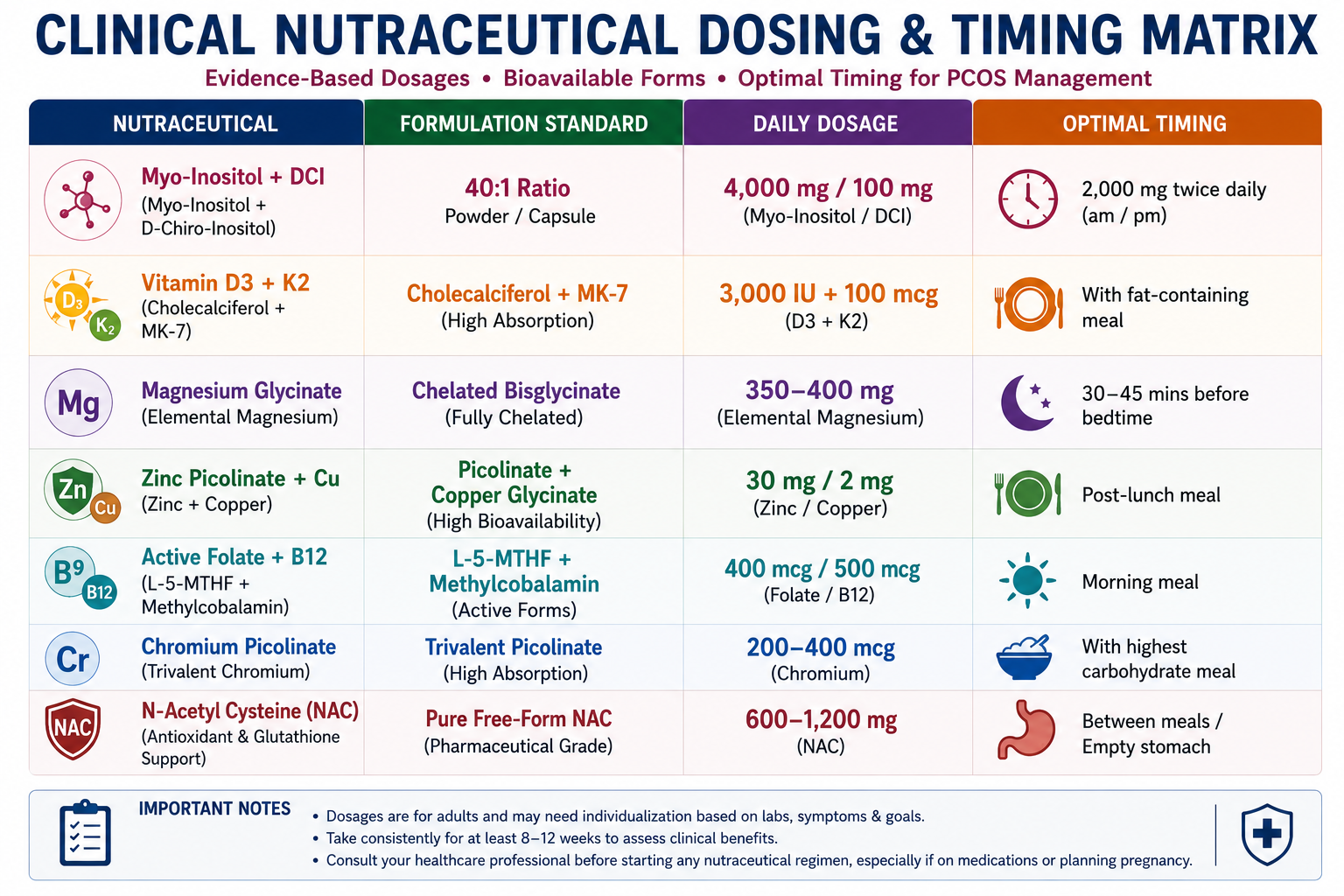
The following evidence-based supplementation protocol directly corrects the molecular deficiencies detailed in Section 1
-
Myo-Inositol / DCI (40:1): Take 2,000 mg Myo-Inositol + 50 mg D-Chiro-Inositol with water 15 minutes before breakfast, and repeat 15 minutes before dinner.
-
Magnesium Glycinate: Glycine acts as an inhibitory neurotransmitter in the brain, working synergistically with Magnesium to lower nocturnal cortisol spikes, improve sleep architecture, and optimize insulin receptor sensitivity overnight.
-
Zinc + Copper Pairing: Supplemental Zinc must be paired with Copper in a 15:1 ratio to prevent Zinc-induced downregulation of the intestinal Copper transporter (CTR1), avoiding secondary Copper deficiency.
PILLAR 3: Anti-Androgenic Botanical Therapeutics
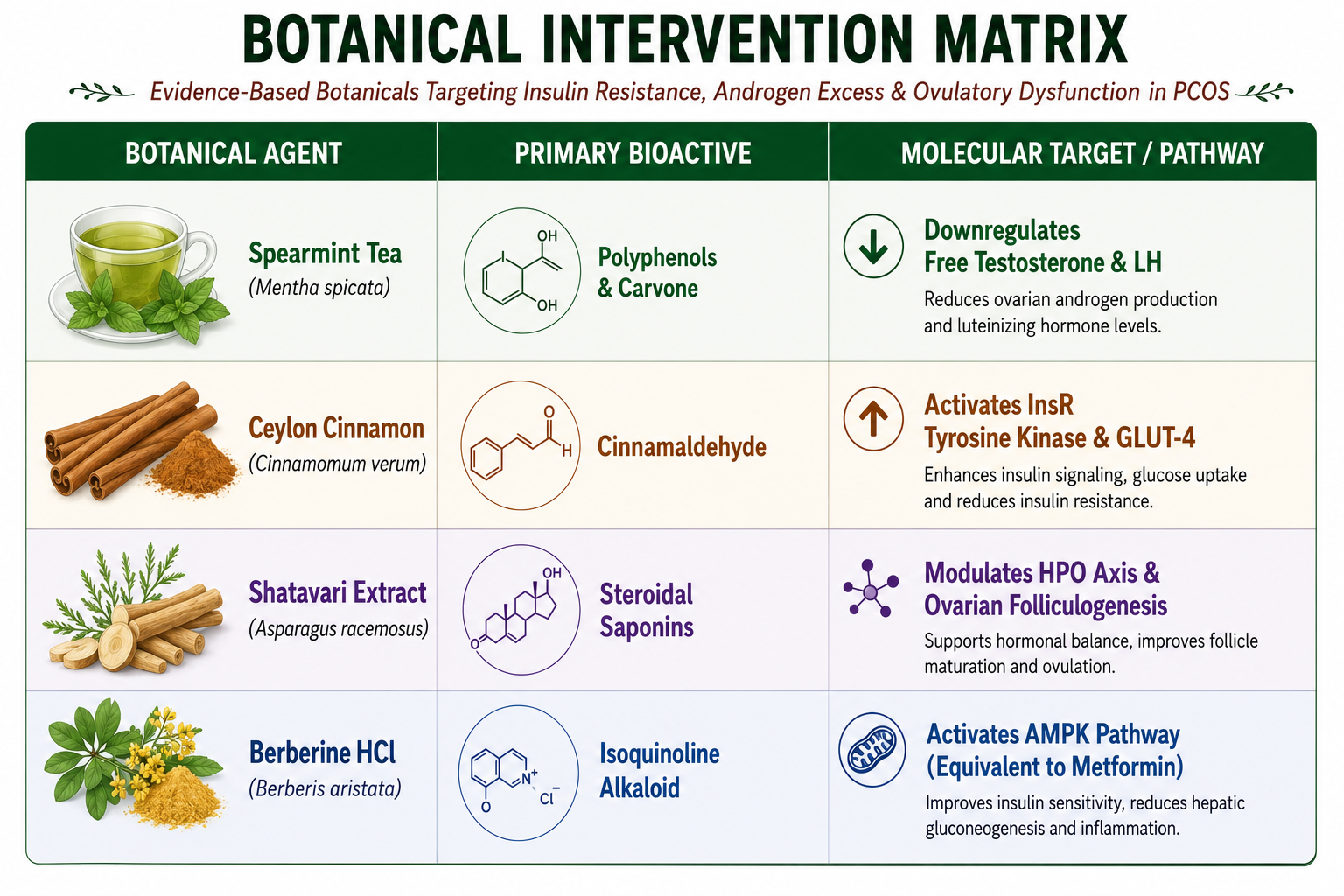
Botanical agents offer targeted, non-pharmacological inhibition of hyper-androgenism and HPA-axis hyper-reactivity
1. Organic Spearmint Tea (Mentha spicata)
-
Mechanism: Bioactive polyphenols downregulate ovarian androgen synthesis and inhibit peripheral androgen receptor binding without altering total estrogen.
-
Protocol: Steep 1.5 tbsp of organic dried spearmint leaves in 250 mL hot water for 10 minutes. Consume twice daily—once at 11:00 AM and once at 4:00 PM between meals—for a minimum of 60 consecutive days.
2. Ceylon Cinnamon (Cinnamomum verum)
-
Mechanism: Cinnamaldehyde activates the insulin receptor phosphorylation cascade and inhibits protein tyrosine phosphatase 1B (PTP1B), an enzyme that inactivates the insulin receptor.
-
Protocol: 1.5 g/day of pure Ceylon cinnamon powder (ensure Ceylon is used to avoid high levels of hepatotoxic coumarin present in Cassia cinnamon) mixed into morning warm water or tea.
3. Berberine Hydrochloride (HCl)
-
Mechanism: Activates AMP-activated Protein Kinase (AMPK), a master metabolic regulator. AMPK activation downregulates hepatic gluconeogenesis, increases GLUT-4 translocation in skeletal muscle, and reduces ovarian theca cell steroidogenesis.
-
Protocol: 500 mg Berberine HCl taken 15 minutes prior to major meals ( 2 TO 3 times/day). Clinical trials demonstrate equivalent metabolic efficacy to Metformin 1,500 mg/day with reduced gastrointestinal side effects.
PILLAR 4: Skeletal Muscle Hypertrophy & Movement Architecture
Skeletal muscle represents the body’s primary glycogen sink, accounting for > 80% of postprandial glucose clearance. In the Asian-Indian Phenotype, low skeletal muscle mass (sarcopenia) combined with visceral fat accentuates hyperinsulinemia.
1. Progressive Resistance Training (PRT) Protocol
Exercise programming must prioritize muscle hypertrophy rather than calorie burning:
-
Frequency: 3 to 4 non-consecutive days per week.
-
Exercise Selection: Multi-joint compound movements that recruit large muscle groups—Squats, Bulgarian Split Squats, Deadlifts, Overhead Dumbbell Presses, Bent-Over Rows, and Push-Ups.
-
Volume & Intensity: 3 to 4 sets per exercise, 8 to 12 repetitions per set, utilizing an intensity of 70%–80% 1-Repetition Maximum (1RM) or a Rate of Perceived Exertion (RPE 7–8/10).
-
Metabolic Benefit: Muscle contractions trigger calcium release from the sarcoplasmic reticulum and activate AMPK, causing GLUT-4 vesicles to fuse with the cell membrane without requiring insulin. This lowers systemic insulin demand.
2. Postprandial Glucose Sinking (The 10-Minute Walk Rule)
-
Protocol: Engage in a 10 to 15-minute low-intensity walk (LISS) starting within 15–20 minutes after completing lunch and dinner.
-
Physiological Impact: Light postprandial movement activates the soleus and quadriceps muscle pump, clearing incoming arterial glucose directly into skeletal muscle cells before it can trigger an exaggerated pancreatic insulin response.
3. Exercise Contraindications for PMOS
-
Avoid Chronic High-Volume Cardio & Excessive HIIT: Daily 60 to 90 minute intense spinning, high-impact running, or exhaustive bootcamps raise baseline serum Cortisol. Elevated cortisol increases hepatic gluconeogenesis, degrades skeletal muscle tissue, and worsens systemic insulin resistance and anovulation.
PILLAR 5: Circadian Alignment & Cortisol-HPA Axis Regulation
Chronic stress and circadian disruption trigger the Hypothalamic-Pituitary-Adrenal (HPA) Axis, causing excess secretion of Cortisol and Adrenocorticotropic Hormone (ACTH). Cortisol acts as a direct insulin antagonist, raising blood glucose, causing visceral fat accumulation, and suppressing GnRH pulsatility.
1. The Circadian Light-Dark Protocol
-
Morning Cortisol Awakening Response (CAR) Optimization: Expose eyes to direct sunlight for 10 to 15 minutes within 30 minutes of waking. This sets the suprachiasmatic nucleus (SCN) master clock, anchoring nighttime melatonin release ~14 hours later.
-
Nighttime Blue Light Elimination: Block artificial blue-green light wavelengths 2 hours before sleep using blue-blocking eyewear or eliminating screen exposure. Blue light suppresses pineal melatonin synthesis, elevating nocturnal cortisol and disrupting overnight hepatic insulin sensitivity.
2. Sleep Architecture Enforcement
-
Target: Achieve 7.5 to 8.5 hours of uninterrupted sleep nightly.
-
Clinical Vulnerability: A single night of partial sleep restriction has been shown to decrease insulin sensitivity by 25%–30% the following day.
-
Bedtime Protocol: Maintain a dark, cool sleep environment. Take 350 – 400 mg Magnesium Glycinate 45 minutes before sleep to support deep (slow-wave) stage 3 NREM sleep.
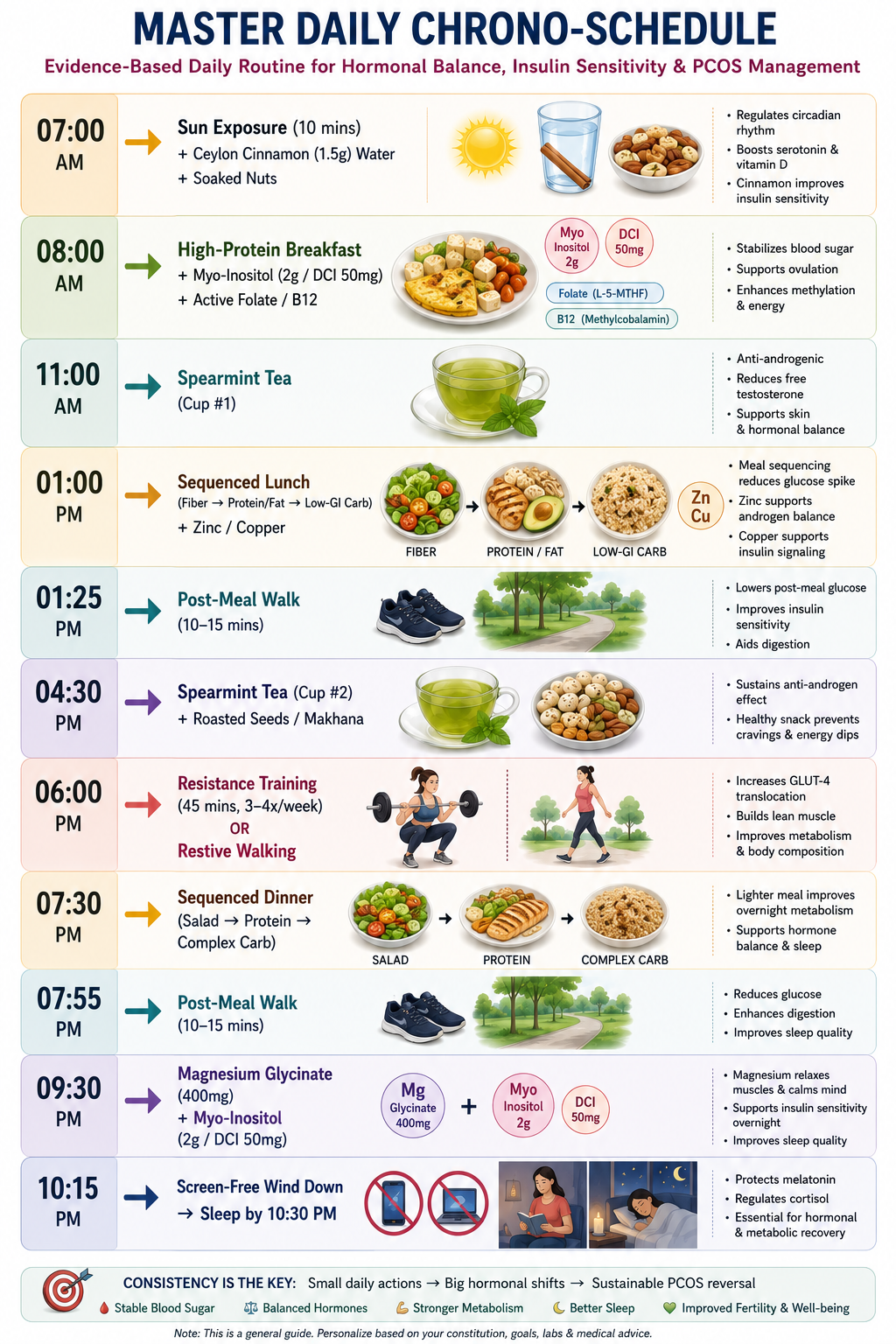
SECTION 3: Integrated 7-Day Master Implementation Blueprint for PMOS
This blueprint synthesizes nutrition, meal sequencing, targeted nutraceuticals, botanical protocols, and movement into an actionable daily routine tailored for Indian women managing or preventing PMOS.
SECTION 4: Biomarker Tracking & Monitoring Panel
To measure therapeutic progression objectively, run the following comprehensive laboratory biomarker panel at baseline, 90 days, and 180 days post-implementation.
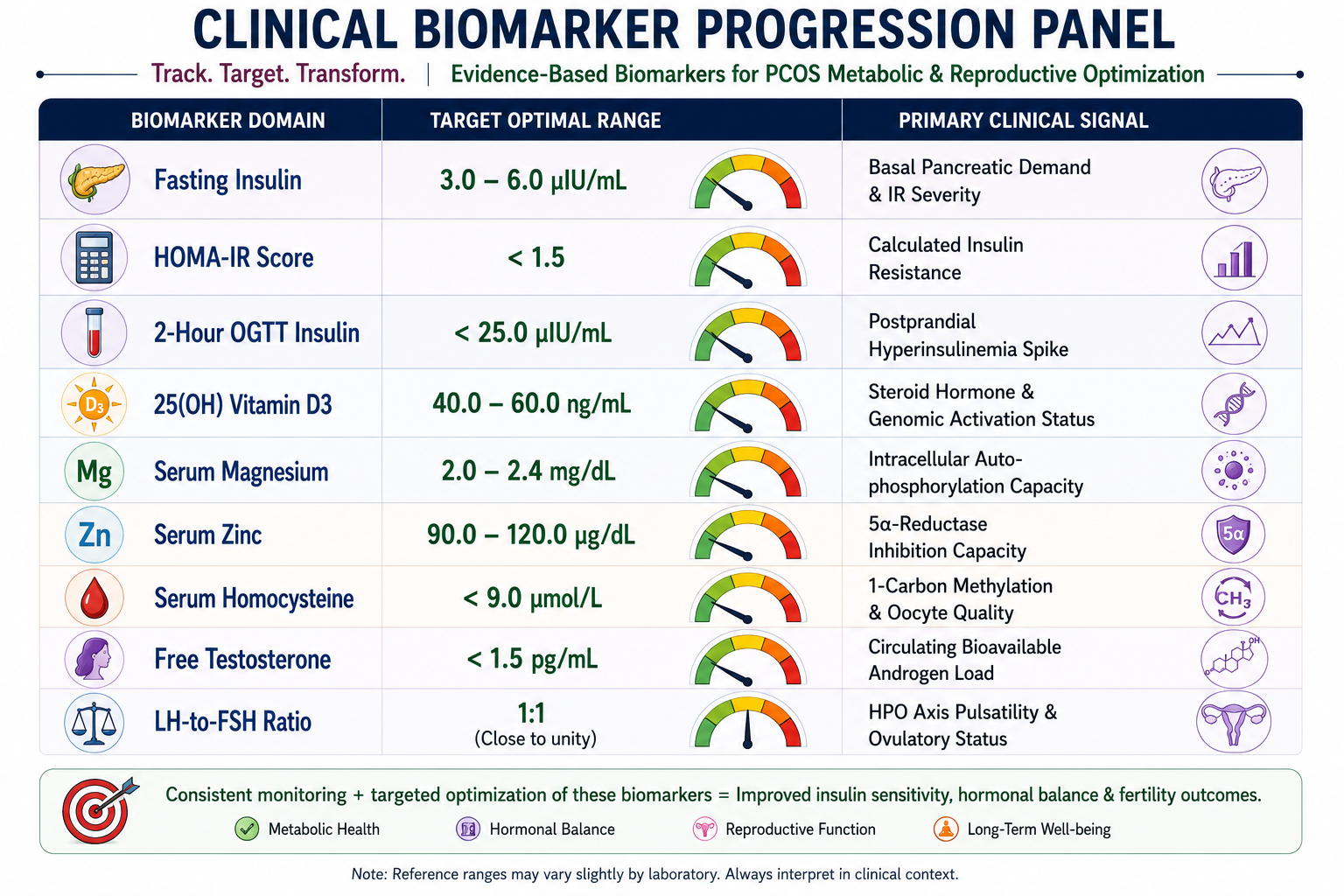
By systematically correcting the underlying micronutrient deficiencies inherent in the South Asian diet—specifically reinstating the 40:1 Myo-Inositol to D-Chiro-Inositol ratio, optimizing Vitamin D3/Calcitriol genomic signaling, enhancing intracellular Magnesium-dependent tyrosine kinase auto-phosphorylation, inhibiting alpha-reductase via Zinc bioavailability, and clearing homocysteine via active Folate L-MTHF—women with PMOS can reset pancreatic demand and restore ovarian autocrine function.