

Iron deficiency anemia (IDA) is a widespread and severe public health issue in India, disproportionately affecting women and children. The National Family Health Survey-5 (2019-2021) revealed a persistent high prevalence, with 67.1% of children and 57% of women aged 15–49 being anemic in India.
Is Excessive Vegetarianism to Blame For Iron Deficiency Anaemia
Excessive and pervasive vegetarianism is killing Indians, one Iron Deficiency Anaemia case at a time and this also is painfully reflected in India’s relatively lower life expectancy. Local, at times mis-placed beliefs are partially responsible for Iron Deficiency Aneamia crisis in India and extensive usage of poor quality supplements is only complicating the already precarious situation for a large population.
A 2025 review found that the prevalence was highest among toddlers (69%) and consistently high across various age groups.
Anemia Prevalence in India (NFHS-5)
Population Group |
Anemia Prevalence |
Children (6–59 months) |
67.1% |
Women (15–49 years) |
57.0% |
Pregnant Women (15–49 years) |
52.2% |
Adolescent Girls (15–19 years) |
59.1% |
Men (15–49 years) |
25.0% |
Adolescent Boys (15–19 years) |
31.1% |
Causes and risk factors
Iron deficiency anemia is a multifactorial condition in India, driven by a complex interplay of nutritional, socioeconomic, and biological factors.
-
Inadequate dietary iron intake: The prevalence is linked to low-energy diets, with many Indians relying on cereal-based meals that lack sufficient iron, if any. Many women, in particular have low dietary iron intake and often eat last, getting smaller portions of the most nutritious food
-
Poor iron absorption: The bioavailability of iron from plant-based, or non-heme, sources is relatively lower than from meat. Additionally, substances in tea and coffee can inhibit iron absorption thus further fueling the deficiency
-
Increased iron demand: Higher iron requirements in pregnant women, lactating mothers, infants, children, and adolescents are often not met, increasing their vulnerability.
-
Blood loss: Heavy menstrual bleeding in women of reproductive age is a major cause of iron depletion.
-
Parasitic infections, like hookworm infestations, can cause chronic intestinal blood loss
-
Internal bleeding from conditions such as peptic ulcers is also a factor.
-
Socioeconomic disparities: Poverty limits access to nutrient-rich food and proper sanitation, and low maternal education is associated with higher rates of anemia in children.
-
Non-nutritional causes: In some regions, other conditions like malaria, chronic kidney disease, and inherited red blood cell disorders like thalassemia can cause anemia.

Symptoms
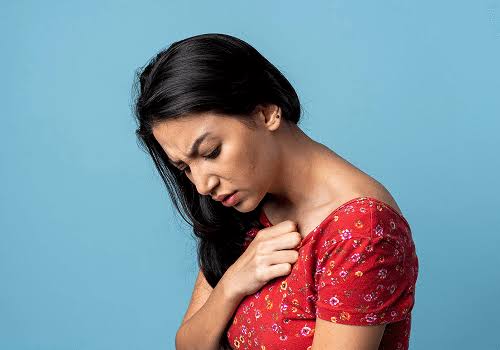
Symptoms of IDA can be subtle at first and worsen as the condition progresses.
-
Common symptoms:
-
Extreme fatigue and weakness.
-
Pale or yellowish skin.
-
Dizziness or lightheadedness.
-
Headaches.
-
Cold hands and feet.
-
Severe symptoms:
-
Shortness of breath or chest pain.
-
Rapid or irregular heartbeat.
-
Soreness or swelling of the tongue.
-
Brittle nails.
-
Pica, or unusual cravings for non-food items like ice or dirt.
-
Restless legs syndrome
Current Status and Corrective Actions
-
Widespread, Pervasive Issue: Anemia affects more than half of Indian women and two-thirds of children under five, thus making Iron Deficiency a National Health Crisis
-
Leading Cause: Iron deficiency is considered the primary underlying cause, although other nutritional deficiencies (like B12 and folate), infections, and socioeconomic factors also contribute
-
Increasing Trend: The national prevalence of anemia has shown an alarmingly increasing trend from NFHS-4 (2015-2016) to NFHS-5 across all age and gender groups
-
Rural-Urban Disparity: Anemia is generally more prevalent in rural areas than in urban areas due to factors like lower socioeconomic status, poor dietary diversity, and limited access to healthcare
-
Socioeconomic Link: Lower education levels and household wealth are strongly associated with a higher risk of anemia
-
Government Initiatives: The Government of India has implemented programs like the Anemia Mukt Bharat (AMB) initiative and the Weekly Iron and Folic Acid Supplementation (WIFS) to address this public health challenge