



Vitamin B12 and Ischaemic Stroke: Can Correcting Vitamin B12 Deficiency Help Protect Your Brain?
Stroke cases are Rising in India. Could Vitamin B12 Be One of the Missing Pieces? If correcting Vit B12 deficiency can save a strok – we strongly belive its worth ivesting time on this topic, urgently.
Disclaimer – This write up is based solely on a Review Titled – Vitamin B12 and gut-brain homeostasis in the pathophysiology of ischemic stroke, published in Elsevier in Nov 2021. A hpyerlink to this Review as well as a Downloaded Copy is appended here. Vit B12 – iscaemic stroke prevention
In India, the burden of stroke is substantial and growing, with profound implications for the healthcare system and public health. Stroke ranks as the fourth leading cause of death and the fifth leading cause of disability in the country.
Every year, hundreds of thousands of Indians suffer an ischaemic stroke—the most common type of stroke—which occurs when blood flow to part of the brain is blocked by a blood clot.
Ischemic stroke is the most common type of stroke in India, accounting for roughly 70–82% of all recorded stroke cases – rest being haemorrhagic stroke. The crude prevalence of stroke in India ranges from 44 to 559 cases per 100,000 population. The estimated total prevalence of stroke has surged to over 6.4 million cases
While high blood pressure, diabetes, smoking, obesity and high cholesterol remain the major risk factors, scientists are now increasingly studying another important contributor that often goes unnoticed: vitamin B12 deficiency.
Can Vit B12 Deficiency Be Really Implicated in Ischaemic Stroke – Show Me Evidence
Vitamin B12 deficiency is remarkably common in India. Vegetarian dietary patterns, low intake of animal-source foods, certain medications, digestive disorders and ageing all contribute to low vitamin B12 levels. Many people may have no obvious symptoms until deficiency has already affected their nerves, blood cells or brain.
A recent scientific review published in EBioMedicine examined how vitamin B12 deficiency may influence the development of ischaemic stroke and affect recovery after stroke. The review concluded that vitamin B12 plays a much broader role than previously appreciated. Beyond preventing anaemia, it is essential for healthy nerve cells, DNA synthesis, methylation, immune function, gut microbiome balance and regulation of homocysteine—an amino acid that has long been associated with vascular disease.
This article explains what the science currently tells us, why vitamin B12 matters for Indians and how maintaining adequate vitamin B12 status through animal-source foods or supplements can support overall health.
What Is an Ischaemic Stroke?
An ischaemic stroke occurs when a blood vessel supplying the brain becomes blocked, usually by a blood clot. Without oxygen and nutrients, brain cells begin to die within minutes. Common symptoms include:
-
Sudden weakness or numbness on one side of the body
-
Difficulty speaking or understanding speech
-
Sudden loss of vision
-
Severe dizziness or loss of balance
-
Sudden confusion
-
Facial drooping
Stroke is a medical emergency. Anyone with these symptoms should seek immediate emergency medical care.
What Is Vitamin B12?
Vitamin B12, also known as cobalamin, is an essential water-soluble vitamin required for several vital processes:
-
Formation of healthy red blood cells
-
Maintenance of the nervous system
-
DNA synthesis
-
Cell division
-
Normal brain function
-
Methylation reactions
-
Conversion of homocysteine into methionine
Unlike most vitamins, vitamin B12 is naturally found almost exclusively in foods of animal origin. Humans cannot produce it themselves.
How Can Vitamin B12 Deficiency Increase Stroke Risk?
Scientists believe vitamin B12 deficiency may influence stroke risk through several interconnected biological pathways rather than a single mechanism. The review highlights the following:
1. Elevated Homocysteine
One of vitamin B12’s most important roles is helping convert homocysteine into methionine. When vitamin B12 is insufficient, homocysteine levels may rise. Elevated homocysteine has been associated with:
-
Damage to the lining of blood vessels
-
Increased oxidative stress
-
Greater inflammation
-
Impaired nitric oxide production
-
Increased tendency for clot formation
These changes may contribute to a higher risk of cardiovascular disease and ischaemic stroke, particularly when accompanied by deficiencies of folate or vitamin B6.
2. Impaired Methylation
Vitamin B12 is a key cofactor in one-carbon metabolism, a network of reactions responsible for methylation. Methylation helps regulate gene expression, DNA repair and normal brain function.
Reduced methylation may impair cellular repair mechanisms and influence neurological health. Researchers continue to investigate how these changes contribute to stroke risk and recovery.
3. Oxidative Stress
Oxidative stress occurs when harmful free radicals overwhelm the body’s antioxidant defences. Vitamin B12 deficiency has been linked with increased oxidative stress, which may:
-
Damage blood vessel walls
-
Injure nerve cells
-
Promote inflammation
-
Worsen brain injury after reduced blood flow
Experimental studies suggest this may increase vulnerability during an ischaemic event, although human outcomes depend on many additional factors.
4. Inflammation
Persistent low-grade inflammation contributes to atherosclerosis and vascular disease. The review discusses evidence that vitamin B12 deficiency may influence inflammatory signalling and immune responses, potentially creating conditions that are less favourable for vascular health and post-stroke recovery.
5. Brain Cell Health
Vitamin B12 is essential for maintaining myelin, the protective covering around nerve fibres. Deficiency can lead to:
-
Slower nerve conduction
-
Peripheral neuropathy
-
Balance problems
-
Cognitive changes
Maintaining adequate vitamin B12 status supports normal neurological function throughout life.
6. Gut–Brain Connection
Emerging research suggests vitamin B12 also influences the gut microbiome. Because the gut and brain communicate through immune, metabolic and nervous system pathways, changes in gut health may influence recovery after stroke. This is an exciting area of research, but it is still evolving and should not yet be interpreted as a basis for specific clinical treatments.
Why Are Indians at Higher Risk of Vitamin B12 Deficiency?
Vitamin B12 deficiency is particularly relevant in India for several reasons. Vegetarian dietary patterns is the most important and pervasive cause of Vit B12 deficiency in Indians. Vitamin B12 is naturally present almost exclusively in animal foods such as :
-
Meat
-
Fish
-
Eggs
-
Milk
-
Dairy products
Strict vegetarian and vegan diets can make it difficult to meet vitamin B12 requirements unless fortified foods or supplements are used.
Ageing
Older adults often absorb vitamin B12 less efficiently because stomach acid production declines with age.
Diabetes medications
Long-term use of metformin has been associated with lower vitamin B12 levels in some people. People taking metformin should discuss periodic vitamin B12 testing with their healthcare professional.
Acid-suppressing medicines
Long-term use of proton pump inhibitors (PPIs) or H2 blockers may reduce vitamin B12 absorption in susceptible individuals.
Digestive disorders
Conditions such as pernicious anaemia, inflammatory bowel disease, coeliac disease or previous stomach surgery can impair vitamin B12 absorption.
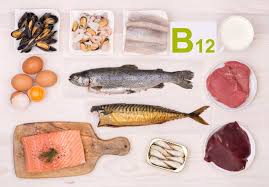
Best Natural Sources of Vitamin B12
Vitamin B12 is naturally found almost exclusively in animal-source foods.
| Food | Approximate Vitamin B12 Content |
|---|---|
| Clams | Very high |
| Liver (goat/chicken/beef) | Very high |
| Sardines | High |
| Salmon | High |
| Tuna | High |
| Mackerel | High |
| Eggs | Moderate |
| Milk | Moderate |
| Curd/Yoghurt | Moderate |
| Cheese | Moderate |
| Chicken | Moderate |
People who do not consume animal-source foods regularly may require fortified foods or supplements to maintain adequate vitamin B12 status.
Can Vitamin B12 Supplements Help?
Vitamin B12 supplements are effective for correcting vitamin B12 deficiency in most people. Common forms include:
-
Cyanocobalamin – we DO NOT RECOMMEND this form
-
Methylcobalamin – best Vit B12 Supplement for Indians
-
Hydroxocobalamin (commonly used by injection in certain settings)
The choice of formulation depends on the cause and severity of deficiency, underlying medical conditions and clinical advice. Correcting vitamin B12 deficiency can lower elevated homocysteine in deficient individuals and improve haematological and neurological abnormalities related to deficiency. However, vitamin B12 supplements should not be viewed as a substitute for controlling established stroke risk factors such as high blood pressure, diabetes, smoking or high cholesterol.
Who Should Consider Vitamin B12 Testing?
Discuss vitamin B12 testing with your healthcare professional if you:
-
Follow a vegetarian or vegan diet
-
Are over 60 years of age
-
Have unexplained fatigue or anaemia
-
Have numbness or tingling in the hands or feet
-
Have balance problems
-
Have elevated homocysteine
-
Take metformin long term
-
Use acid-suppressing medicines for prolonged periods
-
Have digestive disorders affecting nutrient absorption
-
Have had a previous stroke or transient ischaemic attack and your clinician suspects vitamin deficiency
Testing is especially useful when deficiency is suspected rather than taking supplements blindly.
Practical Steps to Maintain Healthy Vitamin B12 Levels
-
Include vitamin B12-rich animal foods if they fit your dietary pattern
-
If you follow a vegetarian or vegan diet, discuss fortified foods or supplements with your healthcare professional
-
Treat confirmed vitamin B12 deficiency promptly
-
Eat a balanced diet that provides adequate folate, vitamin B6 and protein alongside vitamin B12
-
Exercise regularly and avoid smoking
-
Control blood pressure, blood sugar and cholesterol
-
Seek immediate medical care if you experience symptoms of stroke
Key Takeaways
-
Vitamin B12 is essential for healthy nerves, blood cells, DNA synthesis and methylation
-
Deficiency is common in India, particularly among vegetarians, older adults and some people taking long-term medications that affect absorption
-
Low vitamin B12 can contribute to elevated homocysteine, which has been associated with an increased risk of vascular disease, including ischaemic stroke
-
Research also suggests that vitamin B12 influences oxidative stress, inflammation, immune regulation and neurological health, although these mechanisms continue to be actively studied
-
Correcting vitamin B12 deficiency through appropriate diet or supplementation is an important component of overall health and may help reduce homocysteine in people who are deficient
-
Vitamin B12 supplementation should complement—and not replace—proven stroke prevention measures such as blood pressure control, diabetes management, smoking cessation, regular physical activity and healthy eating