



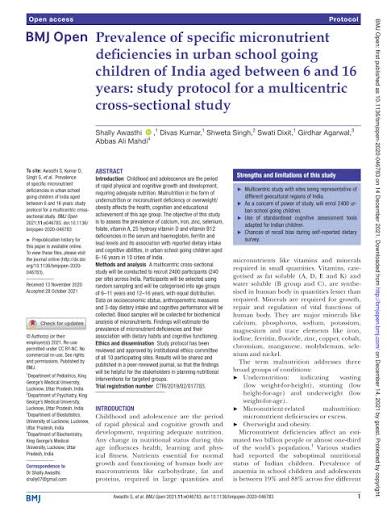
Our Children, Our Precious Children, Future of The World – Our Beloved Children are severly deficient in both macro and micro-nutrients. A new landmark study conducted by Pediatrics Department of King George’s Medical University, Lucknow and covering 2,428 School Children from 10 Cities of India. Results are shocking to say it mildly..
Nutritional Crisis You Cannot See
India has made enormous progress in food production over the past few decades. Supermarkets are full, packaged foods are widely available and quite ironically childhood obesity is also increasing in many cities. Yet beneath this apparent abundance lies a very different nutritional reality.
Thousands of Indian children may be consuming enough calories but still lack the vitamins and minerals needed for healthy growth, brain development, immunity and lifelong health. This phenomenon is known as hidden hunger—a form of malnutrition caused not by too little food, but by diets that are poor in essential micronutrients.
A landmark multicentre study published in PLOS ONE provides one of the clearest pictures yet of this problem. Researchers measured blood levels of key vitamins and minerals in children and adolescents from 10 Indian cities, making it one of the largest biomarker-based assessments of micronutrient status in urban India. Rather than relying on dietary questionnaires, the investigators analysed blood samples to determine which nutrients were actually deficient.
The findings are both revealing and concerning. Copy of this Research Paper is here – Prevalance of specific micronutrient def in children in 10 cities in India
A Landmark Study Across 10 Indian Cities
The researchers enrolled healthy children and adolescents between 6 and 16 years of age from ten geographically diverse Indian cities. The objective was simple but important: determine how common deficiencies of essential vitamins and minerals are among apparently healthy school-aged children. Blood samples were analysed using standardized laboratory methods, allowing direct measurement of nutrient status.
Unlike many nutrition surveys that estimate intake from food diaries, this study examined biochemical evidence of deficiency, providing a much more reliable assessment of nutritional status.
The Biggest Finding: Multiple Deficiencies Are Common
Perhaps the most important message from the study is that many children were not deficient in just one nutrient. Instead, several micronutrient deficiencies frequently occurred together.
This matters because vitamins and minerals work as a team. Iron supports oxygen transport, zinc is essential for immunity and growth, vitamin D helps maintain bones and muscles, folate and vitamin B12 are needed for DNA synthesis and brain development, while selenium contributes to antioxidant defence.
When several nutrients are lacking simultaneously, the effects can compound one another, potentially influencing growth, learning, immune function and overall health.
Vitamin D Deficiency Emerged as One of the Biggest Concerns
Among all nutrients measured, Vitamin D deficiency was one of the most common findings. Imagine the PARADOX – School going children, supposed to have 1 to 2 periods of PT in open air, under the sun, are still Vit D deficient. Vitamin D plays a central role in:
-
Bone growth
-
Calcium absorption
-
Muscle function
-
Immune health
Low Vitamin D during childhood has been associated with poor bone mineralisation, reduced muscle strength and an increased risk of rickets in severe cases. Modern indoor lifestyles, limited sun exposure, air pollution and low dietary intake are all thought to contribute to widespread deficiency in India.
Zinc Deficiency: An Often Overlooked Problem
The study also identified zinc deficiency as a significant public health concern. Zinc is required for:
-
Normal growth
-
Immune function
-
Wound healing
-
Appetite regulation
-
Cognitive development
Children with inadequate zinc intake may experience slower growth and increased susceptibility to infections. Later national survey data have also confirmed that low serum zinc concentrations remain common among Indian children and adolescents.
Iron Deficiency Continues to Affect Children
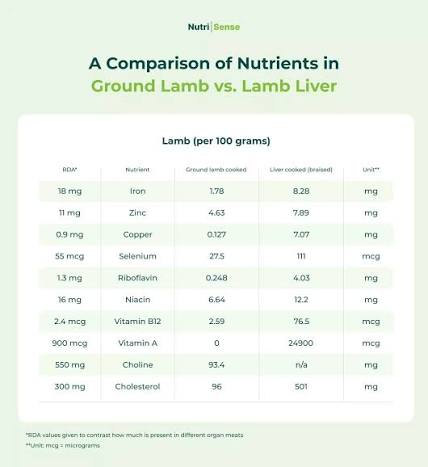
Iron deficiency remains one of the leading nutritional disorders worldwide, and this study reinforces that it continues to affect Indian children thanks to excessive, over reliance on vegetarian foods which are not good sources of Iron as you maybe shocked, only 0.03% of Iron is absorbed from much touted Iron source, spinach. In addition, Spinach has fairly high levels of oxalates unlike Red meat from Goats and Lamb which are rich in Highly Bio-available Haeme Iron with no concerns of oxalates.
Iron is essential for:
-
Haemoglobin production
-
Oxygen transport
-
Brain development
-
Physical endurance
-
Learning and concentration
Even before anaemia develops, low iron stores can influence cognitive performance and physical capacity.
Vitamin B12 and Folate: Essential for Growing Brains
Vitamin B12 and folate deficiencies were also identified. These vitamins play crucial roles in:
-
DNA synthesis
-
Red blood cell formation
-
Brain development
-
Nerve health
-
Homocysteine metabolism
Vitamin B12 deficiency is particularly relevant in India because many families consume little or no animal-source food. Since vitamin B12 is naturally found almost exclusively in animal foods, children following strict vegetarian diets may be at greater risk unless they consume fortified foods or supplements under professional guidance.
Selenium: The Forgotten Micronutrient
Although selenium receives less public attention than iron or vitamin D, it is an important antioxidant nutrient involved in thyroid function and immune health. The study showed that selenium deficiency also occurred among Indian children, suggesting that nutritional gaps extend beyond the nutrients most commonly discussed in public health programmes.
Hidden Hunger Can Exist Even in Overweight Children
One of the most important concepts highlighted by the authors is that hidden hunger and excess body weight can coexist.
A child may consume enough—or even too many—calories while still lacking essential vitamins and minerals if the diet is dominated by energy-dense, nutrient-poor foods.
This explains why nutritional quality is just as important as the quantity of food consumed.
Why Are Indian Children Still Deficient?
The study points to several likely contributors:
-
Low dietary diversity
-
Limited intake of animal-source foods
-
High consumption of refined cereals
-
Inadequate fruits and vegetables
-
Reduced outdoor activity
-
Limited sun exposure
-
Rapid urbanisation
-
Socioeconomic differences
No single factor explains every deficiency. Instead, the problem reflects the combined effects of dietary habits, lifestyle and access to nutrient-rich foods.
Why These Findings Matter
Micronutrients support virtually every organ system in a growing child. Adequate nutrition is important for:
-
Brain development
-
Memory and learning
-
Growth in height
-
Muscle development
-
Strong bones
-
Healthy immunity
-
Vision
-
Hormone production
-
Blood formation
Correcting deficiencies early is likely to have far greater benefits than waiting until symptoms become obvious.
What Can Parents Do?
Parents can help reduce the risk of hidden hunger by focusing on nutrient density rather than calories alone. A balanced diet should include, where appropriate:
-
Milk and yoghurt
-
Eggs
-
Fish
-
Lean meat or poultry
-
Pulses and legumes
-
Nuts and seeds
-
Green leafy vegetables
-
Seasonal fruits
-
Whole grains
For children who consume little or no animal-source food, it is sensible to discuss vitamin B12 intake with a healthcare professional because plant foods generally do not provide reliable active vitamin B12 unless fortified.
Routine supplementation should not replace a healthy diet, but targeted supplementation may be appropriate when deficiencies are confirmed or dietary intake is inadequate.
Nutrient Composition of Animal Protein
A Public Health Challenge That Deserves More Attention
The findings of this study reinforce an important message: India’s nutritional challenge is no longer only about hunger—it is increasingly about hidden hunger. A child who appears healthy, active and well-fed may still have deficiencies of vitamin D, zinc, iron, vitamin B12, folate or selenium that can affect growth and development. Addressing this challenge requires a combination of:
-
Better dietary diversity
-
Nutrition education
-
Food fortification where appropriate
-
Early screening in at-risk groups
-
Evidence-based supplementation when clinically indicated
-
Continued research to monitor nutritional status across different regions of India
Strictly Our Opinion – NOT PART OF THIS REVIEW – Strictly Our Private Opinion
India and Indians have an urgent and immediate need to start looking at increasing consumption of goat meat, lamb meat and fish, especially fatty fish, apart from eggs on a daily basis. Veggies are not going to help in situations where vitamins and minerals deficiencies are way pervasive and widespread.