



Muscle Loss: India’s Silent Health Crisis That Few People Talk About
When people think about ageing, they usually worry about diabetes, heart disease, arthritis or memory loss. Very few realise that one of the earliest and most important changes happening inside the body is something far less visible—the gradual loss of muscle.
This condition, known as sarcopenia, develops slowly over many years. At first, it may seem harmless. Climbing stairs feels slightly harder, shopping bags seem heavier, or getting up from the floor takes more effort. Many people dismiss these changes as “normal ageing.” Theese are not NORMAL signs.
Muscle loss is increasingly recognised as one of the strongest predictors of poor health, disability, falls, fractures, hospitalisation and even premature death in older adults. More importantly for Indians, muscle loss often begins much earlier than most people imagine—sometimes in the fourth decade of life—especially in those with diabetes, obesity, fatty liver disease or poor nutrition.
Scientists now believe that healthy muscles are not simply meant for movement. They act as one of the body’s largest metabolic organs, helping regulate blood sugar, storing amino acids, supporting immunity, producing hormones called myokines, maintaining bone strength and protecting against chronic disease. In other words, healthy muscles help the entire body stay healthy.
Yet India is facing a perfect storm of risk factors that threaten muscle health.
India Is Growing Older Faster Than Ever
India has traditionally been considered a young nation. However, this picture is changing rapidly. According to United Nations population projections, the number of Indians aged 60 years and above is expected to exceed 300 million by 2050, making India home to one of the world’s largest elderly populations.
An ageing population brings new healthcare challenges. While infectious diseases once dominated healthcare priorities, today’s older Indians are far more likely to live with Non-Communicable, Metabolic Disorders such as: Type 2 diabetes, High blood pressure, Heart disease, Chronic kidney disease, Fatty liver disease, Osteoporosis, Obesity, Frailty and Sarcopenia.
Many of these conditions occur together, creating a cycle that accelerates physical decline and incidentally many of these conditions can be effectively managed just by Nutrition and Lifestyle Changes.
Why Muscle Is One of the Most Important Organs in the Human Body
For Indians, age-related muscle loss (sarcopenia) subtly but surely begins from as early as 30 to 40 years, with the body naturally losing 1% to 2% of its muscle mass per year. In India, the baseline muscle mass ALREADY is generally lower than in Western populations, accelerating the onset and severity of this condition.
Epidemiological studies specific to India highlight several critical trends: Middle-Aged Prevalence: Data shows that about 18.1% of urban Indian adults aged 40 to 59 live with sarcopenia, and over 43% are at high risk
Gender Discrepancies: Studies show differing risks depending on the cohort and region. Some metropolitan analyses note that women in the 40 to 59 age bracket are more frequently affected.
Urban vs. Rural: Rural populations in India frequently exhibit higher rates (e.g., 14.8% compared to 6.8% in urban areas) due to socioeconomic factors and dietary differences
Most people think muscles simply help us walk, run or lift weights. Modern science tells a very different story. Skeletal muscle accounts for roughly 35–45% of body weight in healthy adults and performs hundreds of vital metabolic functions every minute.
Muscle is now considered an endocrine organ, meaning it communicates with the brain, liver, bones, fat tissue and immune system through specialised chemical messengers known as myokines. When muscle mass declines, these protective signals decline as well. The consequences extend far beyond physical weakness.
What Exactly Is Sarcopenia?
The word sarcopenia comes from Greek:
Sarx = flesh
Penia = loss
It refers to the progressive loss of: Muscle mass, Muscle strength and Physical performance.
Importantly, doctors today diagnose sarcopenia based not only on the amount of muscle a person has, but also on how well those muscles function. Someone may appear reasonably healthy yet still have significantly reduced muscle strength.
This is why handgrip strength, walking speed and chair-rise tests have become important tools in modern geriatric medicine.
Muscle Loss Often Begins Long Before Old Age
One of the biggest misconceptions is that muscle loss starts only after retirement. In reality, muscle mass usually reaches its peak between 25 and 35 years of age. After the age of around 40 years, most adults begin to lose muscle gradually. Without adequate protein intake and regular resistance exercise, this decline accelerates after the age of 60.
In Indians, however, the process may begin even earlier because several unique risk factors coexist. Researchers have repeatedly observed that South Asians differ metabolically from many Western populations. Even at relatively normal body weights, Indians often have:
-
Lower muscle mass
-
Higher body fat percentage
-
More abdominal fat
-
Greater insulin resistance
-
Higher risk of diabetes
This phenomenon is often described as the “thin-fat Indian phenotype.” An individual may appear slim but still have: Reduced lean muscle, Excess visceral fat
and Poor metabolic health.
Sarcopenic Obesity: When Muscle Loss Hides Behind Excess Body Fat
Sarcopenic obesity is the simultaneous loss of muscle mass and increase in body fat—an emerging health threat in India.
Driven ONLY by the traditional high-carbohydrate, low-protein diet and physical inactivity, it heavily affects older adults and those with type 2 diabetes, significantly increasing the risk of cardiovascular disease.
High Prevalence: The condition is highly prevalent in the country. Studies show that up to 44% of Indian adults with Type 2 Diabetes Mellitus (T2DM) and approximately 5% to 7% of healthy older adults suffer from sarcopenic obesity
“Asian-Indian Phenotype”: Indians are prone to central adiposity (higher visceral fat) even at normal Body Mass Index (BMI) levels. This hides underlying muscle loss beneath a layer of excess fat
Protein Deficit: The predominant vegetarian diet in India often lacks adequate, high-quality protein, which accelerates age-related muscle loss (sarcopenia) that typically begins after age 40
People with sarcopenic obesity face a higher risk of: Falls, Frailty, Type 2 diabetes, Fatty liver disease, Cardiovascular disease and Poor recovery after illnesses.

New Scientific Discovery Is Changing How We Think About Muscle Health
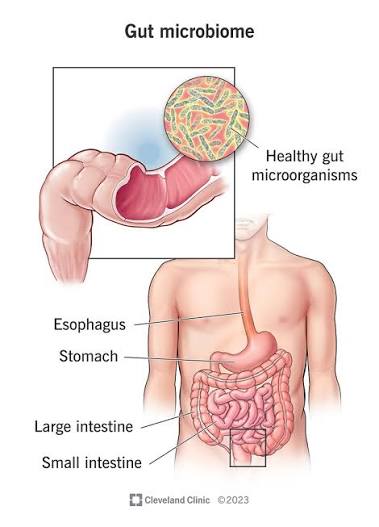
For decades, researchers believed that muscle loss was mainly caused by ageing, poor nutrition and inactivity. Today, scientists recognise another major player: the trillions of microbes living inside our intestines.
These gut bacteria influence how efficiently we absorb nutrients, regulate inflammation, produce health-promoting compounds such as short-chain fatty acids, communicate with the immune system, and even affect muscle protein synthesis. When the gut microbiome becomes imbalanced—a state known as gut microbial dysbiosis—the consequences may extend far beyond digestion, contributing to insulin resistance, chronic inflammation, frailty and accelerated muscle loss.
This emerging relationship is known as the gut–muscle axis, and it is transforming our understanding of healthy ageing.
In Next Part of this Series, we will explore how the gut microbiome acts as a hidden partner in preserving muscle, why gut dysbiosis may limit the success of nutrition and exercise programmes, and why restoring gut health could become one of the most important strategies for preventing sarcopenia in Indians.
Key Takeaways
-
Sarcopenia is the progressive loss of muscle mass, strength and physical performance, and it often begins earlier than many people realise
-
Indians may be at higher risk because of the combination of lower lean body mass, higher visceral fat, suboptimal protein intake and a high burden of diabetes and metabolic disease
-
Muscle is a metabolically active organ that supports blood sugar control, immunity, bone health and healthy ageing
-
Nutritional deficiencies, particularly of protein, vitamin D, vitamin B12, magnesium and zinc, can accelerate muscle decline
-
Emerging evidence suggests that the health of the gut microbiome may be a key determinant of muscle health, opening a new frontier in the prevention and management of sarcopenia