



This is Part 3 of 5 of Our Series on Gut Health and Muscle Loss in Indians. You can peruse Part1 here and Part 2 of the Series here.
Journey from an Unhealthy Gut to Weak Muscles
By now, we have seen that the gut microbiome is far more than a collection of bacteria helping with digestion. It is a dynamic ecosystem that influences immunity, metabolism, hormone signalling and even the way our muscles grow and function.
But what happens when this ecosystem begins to fail? The answer is surprisingly complex—and deeply relevant to millions of Indians living with diabetes, obesity, fatty liver disease or poor nutrition.
Gut dysbiosis does not damage muscles overnight. Instead, it sets off a chain of biological events that quietly unfold over many years. These changes often begin long before a person notices weakness, fatigue or difficulty climbing stairs.
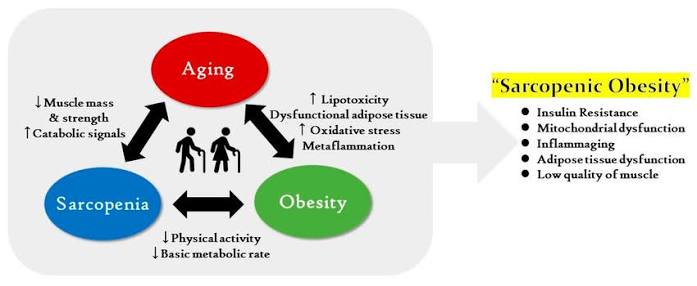
Scientists now believe that gut dysbiosis can initiate a cascade involving intestinal permeability, chronic inflammation, insulin resistance, impaired nutrient utilisation, mitochondrial dysfunction and anabolic resistance. Together, these processes gradually erode muscle mass and strength, accelerating the development of sarcopenia.
What Is “Leaky Gut”?
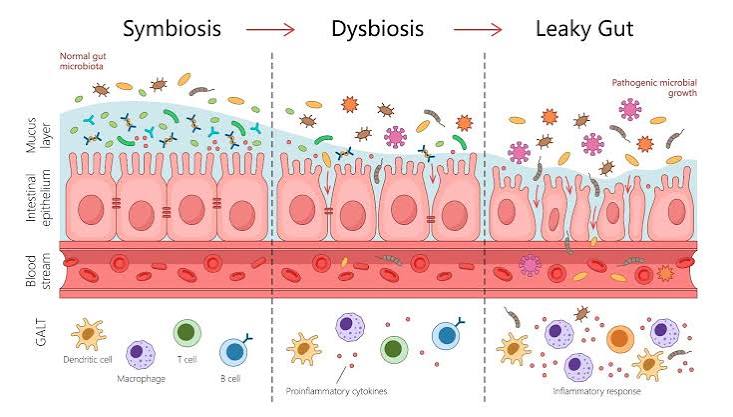
When gut dysbiosis develops, the intestinal barrier may become less efficient. Reduced production of protective compounds such as butyrate, chronic inflammation, poor dietary patterns and metabolic disease can weaken the tight junctions that seal the intestinal lining.
As a result, the gut becomes more permeable—a condition commonly referred to as increased intestinal permeability or, more informally, “leaky gut.” It is important to note that “leaky gut” is not a diagnosis by itself. Rather, it describes a measurable increase in intestinal permeability that has been documented in several chronic diseases, including obesity, type 2 diabetes, inflammatory bowel disease and metabolic dysfunction-associated steatotic liver disease (MASLD).
Once the intestinal barrier is compromised, substances that normally remain inside the gut can enter the bloodstream more easily.
Lipopolysaccharide: A Tiny Molecule with Big Consequences
Among the substances that may escape through a more permeable intestine is lipopolysaccharide (LPS).
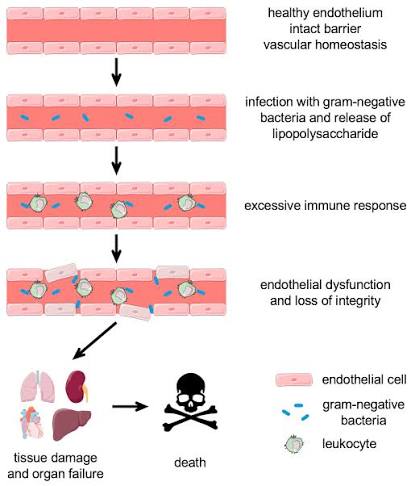
LPS is a component of the outer membrane of many Gram-negative bacteria that normally reside within the intestine. Inside the gut, LPS is generally harmless because it remains separated from the bloodstream by an intact intestinal barrier.
However, when intestinal permeability increases, small amounts of LPS may enter the circulation. Researchers call this phenomenon metabolic endotoxaemia.
Unlike the severe bloodstream infections seen in hospitals, metabolic endotoxaemia involves very low concentrations of LPS circulating continuously over long periods. Even these small amounts appear capable of activating the immune system.
Chronic Low-Grade Inflammation: The Silent Fire Within
When immune cells detect LPS and other bacterial products, they respond by releasing inflammatory signalling molecules known as cytokines.
Among the best studied are:
Tumour necrosis factor-alpha (TNF-α)
Interleukin-6 (IL-6)
Interleukin-1 beta (IL-1β)
These molecules are essential for fighting infections. The problem arises when they remain persistently elevated for months or years. Unlike acute inflammation, which helps the body heal after an injury, chronic low-grade inflammation quietly damages tissues throughout the body. Scientists sometimes refer to this process as “inflammaging” because it becomes more common with ageing and contributes to many age-related diseases.
Why Chronic Inflammation Is So Harmful to Muscles
Healthy muscles are constantly renewing themselves. Every day, old proteins are broken down while new proteins are built. When these two processes remain balanced, muscle mass stays stable. Inflammation disrupts this balance. Persistent inflammatory signals:
Increase muscle protein breakdown
Reduce muscle protein synthesis
Impair muscle regeneration after injury
Reduce muscle strength
Accelerate age-related muscle loss
Over time, muscles become smaller, weaker and less capable of responding to exercise.
Oxidative Stress: When Free Radicals Overwhelm the Body
Inflammation is closely linked to another harmful process called oxidative stress. Every cell naturally produces highly reactive molecules known as reactive oxygen species (ROS) during normal metabolism. In healthy individuals, antioxidants neutralise these molecules before they cause damage.
However, chronic inflammation, obesity, diabetes and gut dysbiosis increase ROS production. When antioxidant defences become overwhelmed, oxidative stress develops. Oxidative stress damages:
Muscle proteins
Cell membranes
DNA
Mitochondria
Enzymes involved in energy production
Insulin Resistance: A Double Blow to Muscle Health
Most people associate insulin resistance with diabetes. Few realise that it also plays a central role in muscle loss. Healthy skeletal muscle is the largest site of glucose disposal in the body. After a meal, insulin helps transport glucose and amino acids into muscle cells, where they are used for energy and repair.
When insulin resistance develops:
-
Muscles absorb less glucose.
-
Amino acid utilisation becomes less efficient.
-
Muscle protein synthesis declines.
-
Fat accumulation inside muscle increases.
-
Muscle strength gradually deteriorates.
This is why people with type 2 diabetes often experience reduced muscle function years before obvious disability develops.
Anabolic Resistance: Why Ageing Muscles Respond Less to Protein. One of the most important discoveries in geriatric nutrition is the concept of anabolic resistance. In younger adults, eating a protein-rich meal stimulates muscle protein synthesis efficiently. As we age, this response becomes weaker. Older muscles require:
-
More dietary protein
-
Better-quality protein
-
Adequate leucine
-
Resistance exercise
to achieve the same anabolic response.
Emerging evidence suggests that chronic inflammation associated with gut dysbiosis may further worsen anabolic resistance. This means that even when older adults consume reasonable amounts of protein, their muscles may not utilise it effectively. For India, where protein intake is already suboptimal in many older adults, anabolic resistance represents a significant challenge.
Gut Dysbiosis May Reduce the Benefits of Good Nutrition
Many people assume that simply increasing protein intake will prevent muscle loss. Unfortunately, nutrition is more complicated. An unhealthy gut may reduce the effectiveness of even a well-planned diet by:
Impairing digestion
Altering amino acid absorption
Reducing production of beneficial microbial metabolites
Increasing inflammation
Promoting insulin resistance
This may explain why some older adults fail to gain muscle despite consuming adequate dietary protein. It also highlights why gut health should accompany nutrition therapy rather than be treated as a separate issue.
Diabetes, Sarcopenia and Gut Dysbiosis: A Dangerous Triangle
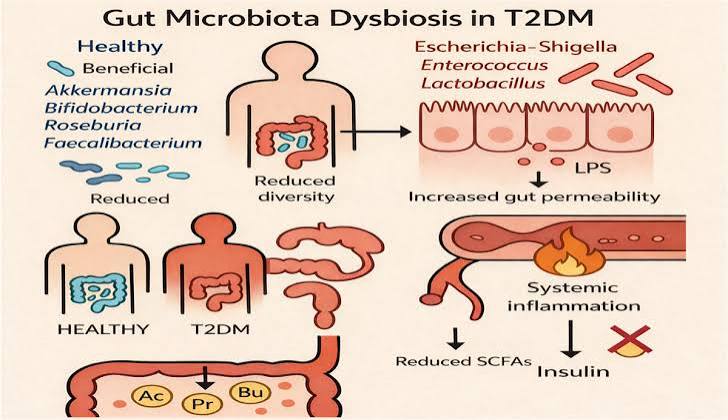
India has one of the world’s largest populations living with type 2 diabetes. Increasingly, researchers recognise a close relationship between:
Gut dysbiosis
Insulin resistance
Sarcopenia
Each condition worsens the others. Gut dysbiosis promotes insulin resistance. Insulin resistance contributes to muscle loss. Reduced muscle mass further impairs glucose disposal. Poor glucose control then aggravates gut dysbiosis. This creates a self-perpetuating cycle that becomes increasingly difficult to reverse if intervention is delayed.
Good News: The Gut Can Recover
Perhaps the most encouraging aspect of microbiome research is that the gut remains remarkably adaptable. Unlike our genes, the microbiome can change within weeks in response to healthier dietary and lifestyle choices.
Studies suggest that increasing dietary fibre, improving protein quality, engaging in regular physical activity and reducing unnecessary antibiotic exposure can begin restoring microbial diversity. While research is still evolving, these findings offer hope that preserving gut health may also help preserve muscle health throughout ageing.
Key Takeaways
-
Gut dysbiosis weakens the intestinal barrier, increasing intestinal permeability and allowing bacterial products such as lipopolysaccharide (LPS) to enter the bloodstream
-
This can trigger chronic low-grade inflammation, oxidative stress and mitochondrial dysfunction, all of which contribute to muscle loss
-
Insulin resistance and anabolic resistance further reduce the ability of muscles to utilise nutrients effectively
-
Gut dysbiosis, diabetes and sarcopenia reinforce one another, creating a vicious cycle that accelerates unhealthy ageing
-
Because many of these processes begin years before symptoms appear, early attention to gut health, nutrition and physical activity may help preserve muscle strength and metabolic health
Select Scientific References
-
Bhattacharya S, Bhadra R, Schols AMWJ, Sambashivaiah S. Gut microbial dysbiosis as a limiting factor in the management of primary and secondary sarcopenia: an Asian Indian perspective. Curr Opin Clin Nutr Metab Care. 2020
-
Ticinesi A, et al. The Gut–Muscle Axis in Ageing and Sarcopenia. Nutrients
-
Grosicki GJ, Fielding RA, Lustgarten MS. Gut microbiota and skeletal muscle ageing. Journal of Cachexia, Sarcopenia and Muscle
-
Picca A, et al. Gut Dysbiosis and Muscle Ageing. Nutrients
-
Cruz-Jentoft AJ, et al. EWGSOP2 Consensus on Sarcopenia. Age and Ageing
-
Chen LK, et al. Asian Working Group for Sarcopenia (AWGS) 2019 and 2024 updates
-
Reviews in Nature Reviews Gastroenterology & Hepatology, Gut, and The Lancet Healthy Longevity (2021–2026) covering intestinal permeability, microbiome biology, and healthy ageing