



Gut–Muscle Axis: How Your Gut Microbiome Controls Muscle Health
A New Organ You Never Realized You Had
Until recently, muscles and the digestive system were considered two completely separate parts of the body. Doctors believed muscles depended mainly on exercise, protein intake, hormones and ageing.
Today, science paints a much bigger picture. Researchers have discovered that the trillions of microorganisms living inside our digestive tract—collectively known as the gut microbiome—play an important role in determining how healthy, strong and resilient our muscles remain throughout life.
This exciting area of research is known as the gut–muscle axis. It suggests that the bacteria living inside your intestines can influence:
– How efficiently you digest protein
– How well you absorb vitamins and minerals
– The amount of inflammation in your body
– Your insulin sensitivity
– Energy production inside muscle cells
– Recovery after exercise
– Muscle protein synthesis
– Physical performance
– Frailty and healthy ageing
For India, where millions of people live with diabetes, vitamin deficiencies, low protein intake and digestive disorders, understanding the gut–muscle axis could transform the way we prevent muscle loss.
Meet the Tiny Helpers Working Around the Clock
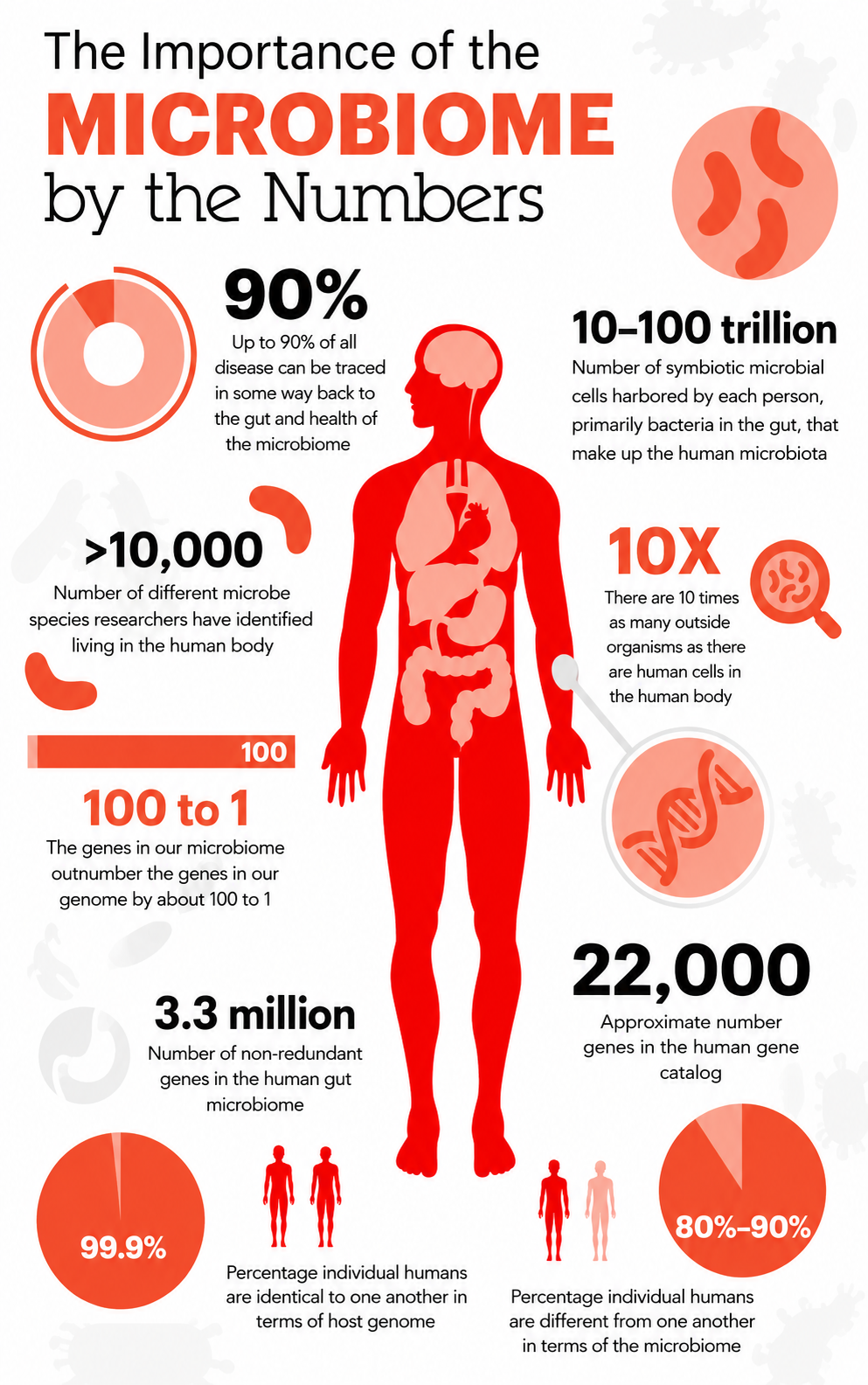
Imagine your gut as a bustling Indian city. Millions of helpful workers are performing specialised jobs. Some digest dietary fibre. Others manufacture vitamins. Some produce anti-inflammatory molecules. Others strengthen the intestinal wall.
Together they help keep your body healthy. Among the most important beneficial bacteria are species belonging to genera such as:
-
Faecalibacterium
-
Roseburia
-
Bifidobacterium
-
Lactobacillus
-
Akkermansia – increasingly researched for its Obesity / Weight Loss Links
These bacteria thrive when they are regularly fed dietary fibre, resistant starches and a diverse range of plant-based foods. When these beneficial microbes flourish, they create an internal environment that supports muscle health.
Human Gut Does Much More Than Digest Food
Most people assume digestion ends once food is broken down. In reality, digestion is only the first step. Your gut decides: Which nutrients are absorbed, Which nutrients are lost, Which compounds enter the bloodstream and Which harmful substances are blocked.
This makes the gut one of the body’s most important metabolic organs. Healthy muscles cannot develop unless the gut efficiently delivers the nutrients they require.
Gut–Muscle Axis: A Two-Way Conversation
Scientists now recognise that the gut and muscles are in constant communication. This relationship works in both directions.
Healthy Gut → Healthy Muscles – A balanced microbiome:
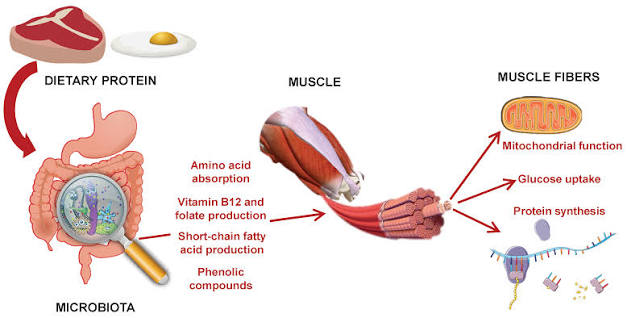
✓ Improves protein digestion
✓ Enhances amino acid absorption
✓ Produces butyrate and other SCFAs
✓ Reduces inflammation
✓ Improves insulin sensitivity
✓ Supports mitochondrial function
✓ Helps muscles recover
✓ Preserves muscle mass
Healthy Muscles → Healthy Gut – The relationship also works the other way.
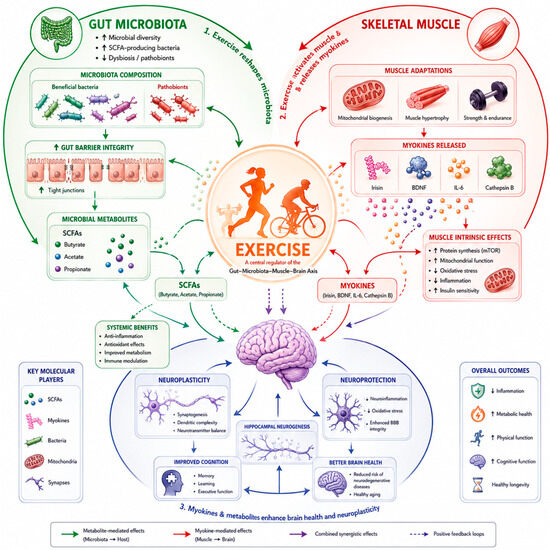
Regular physical activity: Increases microbial diversity, Encourages the growth of beneficial bacteria, Improves gut barrier function, Reduces inflammation and Increases production of short-chain fatty acids. This means exercise is not only strengthening your muscles—it is also improving your gut microbiome.
Short-Chain Fatty Acids: The Hidden Nutrients Your Gut Makes for You
One of the most exciting discoveries in microbiome research is the importance of short-chain fatty acids (SCFAs). These are natural compounds produced when beneficial gut bacteria ferment dietary fibre. The three major SCFAs are:
-
Butyrate
-
Propionate
-
Acetate
Among these, butyrate has received enormous scientific attention. It serves as the primary energy source for cells lining the colon and exerts powerful anti-inflammatory and metabolic effects throughout the body.
Why Butyrate Matters for Muscle Health
Scientists now believe butyrate supports muscle health through several mechanisms. It may help: Reduce chronic inflammation as Persistent low-grade inflammation is one of the strongest drivers of muscle loss. Butyrate suppresses inflammatory signalling pathways and helps calm excessive immune activation.
Improve insulin sensitivity – Healthy muscles require insulin to transport glucose and amino acids into muscle cells. Butyrate improves insulin responsiveness, making muscles more efficient at using nutrients.
Support mitochondria – Mitochondria are the tiny energy-producing structures inside every muscle cell. Butyrate improves mitochondrial function, allowing muscles to generate energy more efficiently.
Promote muscle protein synthesis – Emerging research suggests butyrate may enhance pathways involved in muscle repair and regeneration while reducing protein breakdown. Although much of the mechanistic evidence comes from animal models, early human studies are encouraging.
Your Gut Is Also Your Largest Immune Organ
Around 70% of the body’s immune cells are associated with the gastrointestinal tract. Every day, the immune system must distinguish between: Food, Helpful bacteria, Harmful bacteria, Viruses and Toxins. A healthy microbiome helps maintain this delicate balance.
When the microbiome becomes unhealthy, immune regulation begins to fail. This leads to persistent low-grade inflammation—a hallmark of ageing, metabolic disease and sarcopenia.
Chronic Inflammation: Common Link Between Gut Disease and Muscle Loss
Unlike the intense inflammation that occurs during an infection, chronic inflammation develops slowly and quietly. It may continue for years without obvious symptoms. Researchers sometimes call this “inflammaging” because it increases with age and contributes to many chronic diseases. Persistent inflammation:
Accelerates muscle breakdown
Reduces muscle protein synthesis
Impairs muscle regeneration
Promotes insulin resistance
Increases oxidative stress
Reduces physical performance
For many Indians living with diabetes, obesity or fatty liver disease, chronic inflammation is already present—making muscle preservation even more challenging.
Gut Bacteria Influence Vitamin and Mineral Availability
Beneficial microbes also affect the availability and metabolism of several nutrients essential for muscle function. These include:
Vitamin K
Certain B vitamins
Magnesium
Calcium
Iron
Zinc
An unhealthy microbiome may indirectly contribute to nutritional deficiencies by altering absorption, metabolism or intestinal health. Given that vitamin D, vitamin B12, iron and zinc deficiencies are already common in India, preserving gut health becomes even more important.
Gut Talks Directly to Your Muscles
Scientists once believed communication between organs occurred only through hormones. Today we know the gut microbiome communicates through multiple pathways. Gut bacteria release metabolites that travel through the bloodstream and influence distant organs, including skeletal muscle.
These signals can affect: Muscle energy metabolism, Protein synthesis, Mitochondrial activity, Immune responses and Recovery after exercise. At the same time, contracting muscles release myokines that influence immune function, fat metabolism and possibly the gut microbiome itself.
This constant two-way communication is what researchers call the gut–muscle axis.
Exercise Changes Your Gut Bacteria
One of the most encouraging discoveries is that regular physical activity can improve the composition of the gut microbiome. Studies have shown that physically active individuals often have:
Greater microbial diversity
Higher levels of butyrate-producing bacteria
Better gut barrier integrity
Lower inflammatory markers
Improved insulin sensitivity
Resistance training, walking and aerobic exercise appear to produce benefits not only for muscles but also for the microbial ecosystem inside the intestine. This creates a positive cycle:
Exercise → Healthier microbiome → Lower inflammation → Better nutrient utilisation → Stronger muscles → More physical activity
Why This Matters Especially for Indians
Several characteristics of the Indian population make the gut–muscle axis particularly relevant. Many Indians experience a combination of:
-
Lower muscle mass than Western populations
-
Higher visceral fat despite a normal BMI
-
Diets low in high-quality protein
-
Widespread vitamin B12 and vitamin D deficiencies
-
High rates of type 2 diabetes and insulin resistance
-
Frequent use of antibiotics during childhood and adulthood
-
Increasing consumption of ultra-processed foods in urban areas
Together, these factors can disrupt the gut microbiome while simultaneously increasing the risk of muscle loss. This helps explain why strategies focused only on protein supplementation may not achieve optimal results unless gut health is also addressed.
Key Takeaways
-
The gut microbiome is increasingly recognised as a key regulator of muscle health through the gut–muscle axis
-
Beneficial gut bacteria improve protein utilisation, support vitamin and mineral availability, reduce inflammation and produce short-chain fatty acids, particularly butyrate, that may help preserve muscle
-
Regular physical activity benefits both skeletal muscle and the gut microbiome, creating a positive feedback loop
-
Indians may be especially vulnerable to disruption of the gut–muscle axis because of lower baseline muscle mass, high rates of metabolic disease, common micronutrient deficiencies and changing dietary patterns
-
Protecting gut health should be considered an essential component of healthy ageing alongside adequate protein intake, resistance exercise and correction of nutritional deficiencies
Select References
-
Cruz-Jentoft AJ, et al. Sarcopenia: Revised European Consensus on Definition and Diagnosis (EWGSOP2). Age and Ageing. 2019
-
Chen LK, et al. Asian Working Group for Sarcopenia: 2019 Consensus and 2024 Update.
Ticinesi A, et al. The Gut–Muscle Axis in Ageing and Sarcopenia. Nutrients
-
Grosicki GJ, Fielding RA, Lustgarten MS. Gut Microbiota and Skeletal Muscle Ageing. Journal of Cachexia, Sarcopenia and Muscle
-
Picca A, et al. Gut Dysbiosis and Muscle Ageing. Nutrients
-
Recent reviews (2021–2026): Nature Reviews Gastroenterology & Hepatology, Gut, The Lancet Healthy Longevity, Cell Host & Microbe, and Clinical Nutrition