



What Science Really Says About Vitamins, Minerals and Natural Compounds That Have Evidence and Support Healthy Glucose Metabolism in Human Beings
Part 7 of 10 Part Series on The Silent Death of Pancreas – For Part 6 Click Here
Can Nutrition Help Protect the Pancreas?
If you’ve searched the internet for any diabetes advice, you’ve probably seen claims like:
-
“Reverse diabetes in 30 days”
-
“Regrow your pancreas naturally”
-
“This herb cures diabetes”
-
“This vitamin replaces insulin”
These claims may sound convincing—but most are not supported by high-quality scientific evidence. The truth is more balanced.
No vitamin, mineral, or supplement has been proven to CURE Type 2 diabetes or regenerate lost beta cells in humans. However, good nutrition plays a central role in maintaining normal glucose metabolism and overall metabolic health. Certain nutrient deficiencies are very extensive and common in India and, when corrected, may support healthy physiological processes involved in glucose regulation. Read on..
The goal of this Part 7 of 10 Part Series is to distinguish evidence-based nutrition from marketing claims.
Your Pancreas Needs More Than Calories
Every time your pancreas produces insulin, thousands of biochemical reactions take place inside beta cells. These reactions depend on different: Enzymes, Minerals, Vitamins, Amino acids, Healthy fats, Oxygen, Adequate blood supply.
A deficiency in one or more nutrients does not automatically cause diabetes, but poor nutritional status can contribute to impaired metabolic health.
Let’s examine the nutrients with the strongest evidence.
1. Magnesium: The Forgotten Mineral
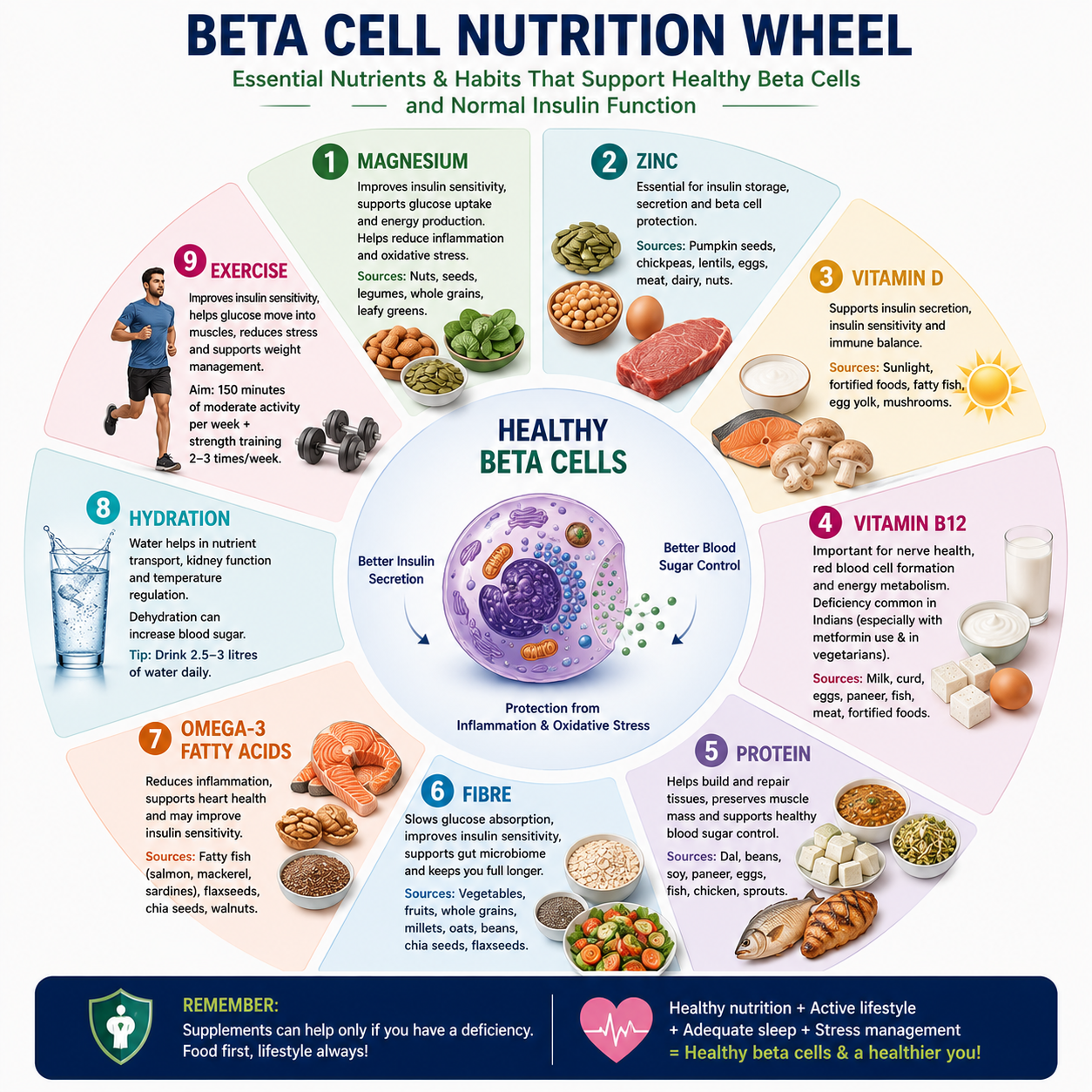
If there is one mineral consistently associated with metabolic health, it is magnesium. Magnesium participates in more than 300 enzymatic reactions, many of which are involved in:
-
Insulin signaling.
-
Glucose transport.
-
Energy production (ATP).
-
Muscle function.
-
Nerve function.
Several observational studies have found that people with lower magnesium intake are more likely to develop insulin resistance and Type 2 diabetes. People with diabetes may also lose more magnesium through the urine, increasing the risk of deficiency.
For most people, obtaining magnesium from food is the preferred approach, however, Supplementation in most Indians is warranted for low daily consumption of Magnesium rich foods by a vast majority of population.
In our previous posts under Minerals Category – we have extensively covered about Magnesium and have demonstrated benefits of Magnesium in Blood Pressure Mnagement, for Cardiac Health and for Sleep Disorders.
We have also covered the Best Magnesium Form for supplementation and dosage – should you be requiring supplementation.
2. Vitamin D: More Than Bone Health
Vitamin D is best known for maintaining healthy bones, but vitamin D receptors are also present in:
-
Beta cells
-
Muscles
-
Liver and
-
Immune cells
Researchers have investigated whether vitamin D influences insulin secretion and insulin sensitivity. Current evidence suggests:
-
Vitamin D deficiency is common and widespread in India despite ample sunlight
-
Correcting deficiency is important for bone and overall health
-
Clinical trials have produced mixed results regarding prevention or treatment of Type 2 diabetes
The American Diabetes Association does not recommend vitamin D supplements solely to improve blood sugar in people without deficiency. However, individuals with documented vitamin D deficiency should receive appropriate treatment according to clinical guidelines.
3. Zinc: Essential for Insulin Storage
Zinc is vital for insulin management in humans. The pancreas uses zinc to synthesize, crystallize, and store insulin in granules before releasing it into the bloodstream. Consequently, zinc deficiency impairs the pancreas’s ability to secrete insulin properly, which leads to blunted responses to glucose spikes and contributes to glucose intolerance and metabolic issues.
Zinc also plays important roles in:
-
Immune function
-
Protein synthesis
-
Wound healing
-
Antioxidant defense
Some studies suggest that zinc deficiency may impair insulin secretion, although routine zinc supplementation for all people with diabetes is currently not recommended without evidence of deficiency. Any risk of deficiency may currently be overcome by consuming Zinc rich foods such as Oysters – best source, Red Meat, Eggs and Dairy Cheese.
All animal origin food sources are the best, bioavailable sources of high quality Zinc in higher amounts than any plant origin food product. Our only choice and suggestion for Zinc is animal origin foods only and not plant foods.
Vegetarians often require greater attention to Zinc intake because plant-based zinc is less readily absorbed and is in much less amounts in plant foods, in any case. Moreover, with increased consumption of plant origin foods – risk of Diabetes grows manifold as although plant origin foods may have some protein, vitamins and minerals but these nutrients come bundled ironically, with high amounts of carbohydrates in Plant foods which increase your risk of diabetes. Indians already get most of daily calories from cheap carbohydrates only.
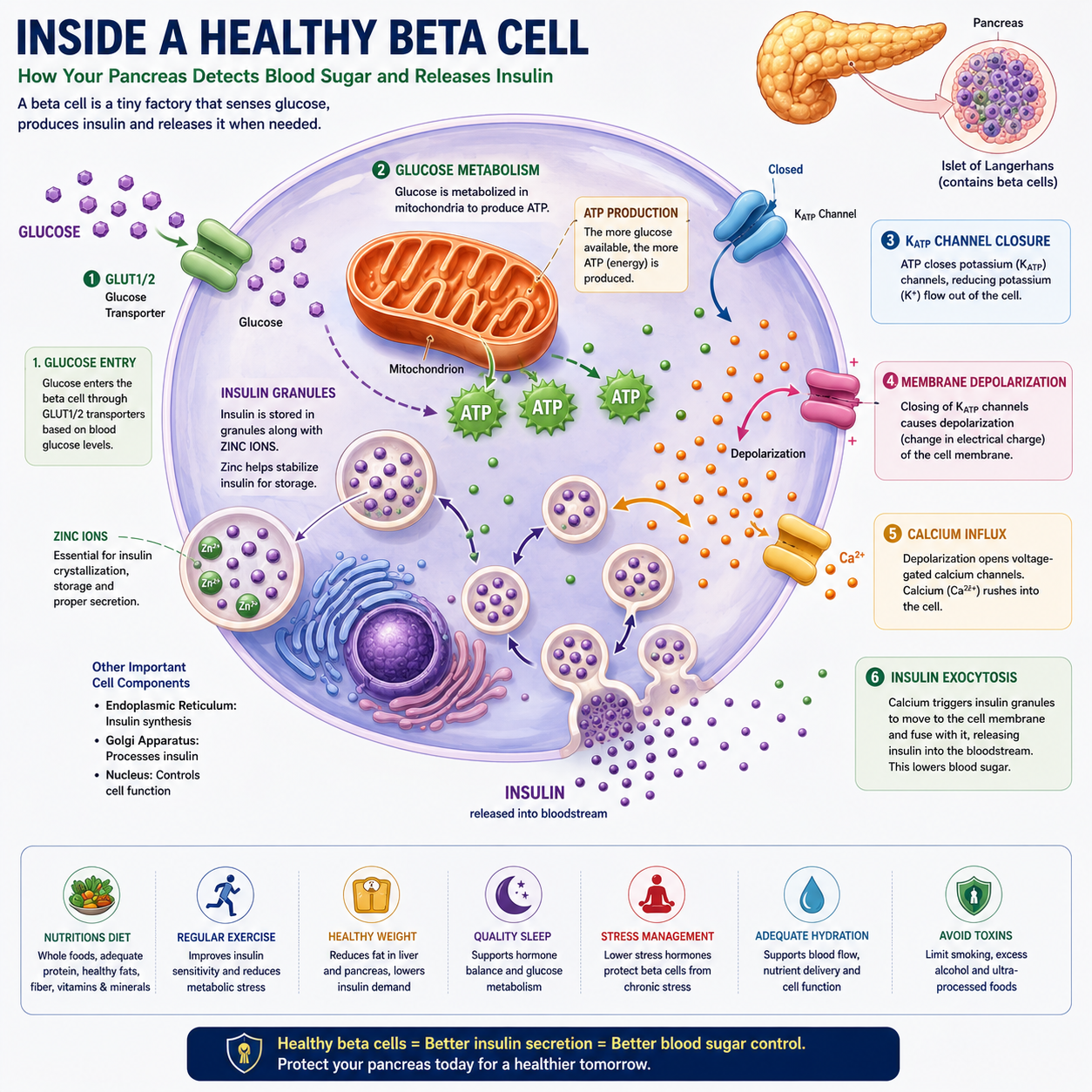
Do check out our Think Zinc series on this site, under Minerals.
4. Chromium: A Mineral With Mixed Evidence
Chromium helps insulin interact with its receptors on cells. Because of this role, chromium supplements became popular for blood sugar management.
However, high-quality clinical trials have produced inconsistent results. Major diabetes organizations do not recommend routine chromium supplementation for improving glycemic control in people without deficiency.
Food sources include largely animal origin foods such as Red Meat. A balanced diet generally provides sufficient chromium for most healthy individuals.
5. Vitamin B12: Especially Important for Metformin Users
Vitamin B12 deserves special attention. Long-term use of metformin, one of the most commonly prescribed medicines for Type 2 diabetes, can reduce vitamin B12 absorption in people.
Untreated deficiency of Vit B12 may contribute to: Fatigue, Anemia, Numbness and tingling sensations, Balance and coordination problems and Nerve damage.
The American Diabetes Association recommends periodic assessment of Vitamin B12 levels in people taking long-term metformin, particularly if anemia or neuropathy develops.
Good Sources – Goat Liver, Chicken Liver, Fish, Eggs, Milk, Yogurt, Red Meat.
Strict vegetarians and vegans may require fortified foods and good quality supplements. Since a majority of Indians are vegetarians, India has persistent and pervasive Vit B12 deficiency. Indians may need to re-consider food choices, than to rely only on supplements.
6. Omega-3 Fatty Acids
Omega-3 fatty acids support cardiovascular health, which is especially important because heart disease is the leading cause of death among people with Type 2 diabetes.
Current evidence indicates that omega-3 supplementation is not a treatment for diabetes itself, but eating oily fish as part of a balanced diet contributes to overall cardiovascular health.
Again Indian vegetarians are at a great risk for cardio-metabolic diseases as dietary availability of Omega-3 fatty acids is negligible if any, while consumption of inflammatory Omega-6 fatty acids is increasing, steadily.
7. Dietary Fibre: One of the Most Powerful Nutrients
Fibre deserves to be considered one of the most effective nutritional tools for metabolic health. Benefits include: Slower glucose absorption, Improved satiety, Better gut microbiome diversity, Lower LDL cholesterol, Healthier bowel function etc
Increasing fibre intake gradually while maintaining adequate hydration helps improve glucose tolerance. Health organizations generally recommend consuming between 25 to 35 grams of fiber daily. Excellent choices include lentils, chia seeds, broccoli, and whole grains.Actually, follow the diet of your grand-parents or great-grand parents for fibres.
8. Protein: Protecting Muscle and Metabolism
Muscle is one of the body’s largest sites of glucose disposal. Adequate protein intake supports: Muscle maintenance, Healthy aging, Recovery after exercise and Satiety.
For Indians—many of whom consume relatively low amounts of protein—ensuring sufficient dietary protein is particularly important, especially when combined with resistance training.
Protein should come largely from animal food sources such as dairy, eggs, fish, red meat, poultry, pulses, soy and beans, in that order. Plant proteins are lacking all essential amino acids and come bundled with high amount of carbohydrates, which as known, increases risk of diabetes.
What About Cinnamon, Berberine and Herbal Products?
Many natural products have been studied. Examples include: Cinnamon, Fenugreek, Berberine, Bitter melon, Gymnema sylvestre.
Some small studies suggest potential metabolic effects, but evidence is often limited by: Small sample sizes, Short study duration, Variable product quality, Lack of long-term safety data etc.
At present, these products should not replace proven lifestyle interventions or high quality animal foods.
What This Means for Indians
Many Indians have inadequate intake or deficiency of nutrients such as:
-
Vitamin D
-
Vitamin B12 (particularly vegetarians and long-term metformin users)
-
Magnesium
-
Zinc (in some populations)
Correcting documented deficiencies supports overall health and normal metabolic function. However, supplements should complement—not replace—a balanced diet, physical activity, adequate sleep and appropriate medical care only if required.
Key Takeaways
-
Most vitamins, minerals or supplements have supplemental, complimental role and have not been proven TO CURE Type 2 diabetes or regenerate beta cells
-
Magnesium, zinc, vitamin D and vitamin B12 all play very important roles in normal metabolic function and must, first be had from animal origin foods on account of higher bioavailability and for no or low carbohydrates present in animal origin foods
-
Long-term metformin therapy increases the risk of vitamin B12 deficiency and hence must either be had from animal food sources or supplemented, ideally both
-
Fibre-rich foods improve overall metabolic health and are among the most evidence-supported dietary strategies
-
Protein intake and resistance exercise help preserve muscle, an important site of glucose disposal – again best protein sources are only animal origin foods
-
A balanced dietary pattern has far stronger evidence than any single supplement
Select References
-
American Diabetes Association. Standards of Care in Diabetes (latest edition).
-
Evert AB, et al. Nutrition Therapy for Adults With Diabetes. Diabetes Care.
-
National Institutes of Health (NIH). Office of Dietary Supplements Fact Sheets (Magnesium, Zinc, Vitamin D, Vitamin B12, Chromium).
-
Diabetes UK. Nutrition and Diabetes Resources.
-
International Diabetes Federation. IDF Diabetes Atlas.
-
Aroda VR, et al. Long-term Metformin Use and Vitamin B12 Deficiency. J Clin Endocrinol Metab.
-
EFSA Scientific Opinions on Vitamins and Minerals.
-
WHO Healthy Diet Guidelines.