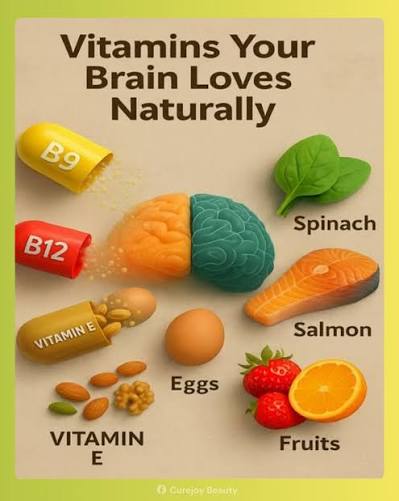


Human brain is the most energy-hungry organ in the body. Every thought, movement, and emotion depends on a continuous supply of nutrients that maintain energy production, neuronal structure, and neurotransmitter balance.
Vitamins and bioactive compounds do not just support brain health in a general sense; they perform specific biochemical roles in how neurons generate, transmit, and respond to signals.
Homocysteine Metabolism
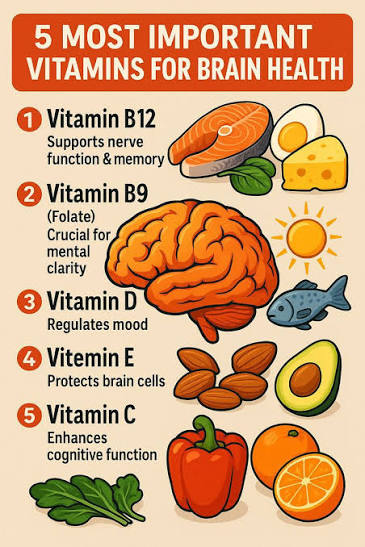
Vitamins B6, B9 (folate), B12, riboflavin, choline, and niacin (B3) regulate homocysteine, an amino acid that can damage blood vessels and neurons when elevated. Adequate folate and B12 reduce homocysteine levels, supporting long-term cognitive function.
Example: Supplementing B12 and folate in older adults with elevated homocysteine has been shown to slow brain atrophy and improve memory performance.
Energy Metabolism
The brain needs a constant ATP supply to sustain signaling and plasticity. B vitamins, lipoic acid, CoQ10, iron, and manganese act as cofactors in mitochondrial energy production. A deficiency in thiamine (B1) or riboflavin (B2) impairs energy metabolism and can contribute to fatigue, poor focus, or cognitive fog.
Example: Patients with thiamine deficiency often experience reversible confusion and energy loss once repleted with B1.

Neurotransmitter Synthesis and Binding
Vitamin B6 is required to convert amino acids into neurotransmitters such as serotonin, dopamine, and GABA. Low B6 disrupts these conversions and weakens mood regulation. Example: B6 supplementation in individuals with low serotonin production improves emotional stability and stress resilience by restoring neurotransmitter balance.
Nerve Signal Transmission
Efficient signal propagation relies on nutrients that maintain myelin integrity and axonal firing. DHA, folate (B9), B12, thiamine, and iron are all critical for this process.
Example: Low B12 can lead to nerve demyelination and neuropathy, while DHA from omega-3s improves communication speed between neurons.
Membrane Integrity
Neuronal membranes are rich in fats that are easily oxidized. DHA, EPA, vitamins C and E, and polyphenols protect and stabilize these membranes.
Example: Vitamin E helps prevent oxidation of brain fats, and vitamin C regenerates vitamin E, maintaining optimal membrane fluidity and receptor functions.
Neuron Growth and Development
Vitamin D, polyphenols, and flavonoids influence neuronal growth, repair, and plasticity. Example: Vitamin D receptors in the hippocampus regulate genes tied to memory formation, while berry polyphenols increase brain-derived neurotrophic factor (BDNF), promoting neurogenesis.
Blood Flow and Oxygen Delivery
Polyphenols and flavonoids enhance vascular function and cerebral blood flow, ensuring that neurons receive adequate oxygen and nutrients.
Example: Cocoa flavanols and blueberry extracts have been shown to increase brain blood flow and improve cognitive performance in both young and older adults.
Brain performance relies on more than calories and oxygen. Micronutrients provide the molecular infrastructure for energy production, neurotransmission, protection, and plasticity.
B vitamins fuel mitochondria, DHA and antioxidants preserve neuronal membranes, and polyphenols and vitamin D enhance repair and blood flow.