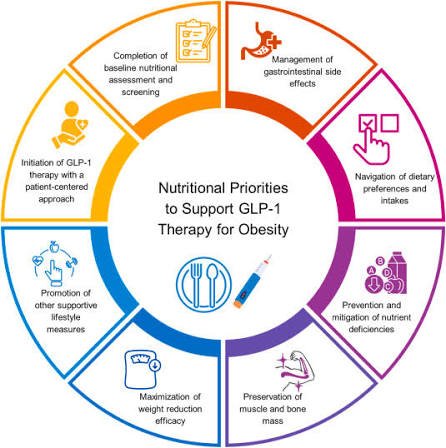



The new generation of weight-loss medicines has changed the treatment of obesity and type 2 diabetes. Semaglutide, sold as Ozempic, Wegovy and as dozens of Generics and tirzepatide, sold as Mounjaro in India, can produce substantial weight loss while improving blood-glucose control.
But an important nutritional question is emerging: when appetite falls dramatically and people eat substantially less, are they also eating less of the vitamins, minerals and protein needed to maintain health?
A 2026 review in Clinical Obesity has brought this issue into sharper focus. Researchers examined six studies involving 480,825 adults using GLP-1-based medicines.
Vitamin D deficiency was reported in 7.5% after six months and 13.6% after 12 months, while ferritin levels were 26–30% lower among GLP-1 users than in comparator groups using SGLT2 inhibitors.
More than 60% of users consumed less than estimated requirements for calcium and iron, while average vitamin-D intake was only about 20% of recommended intake. The researchers also identified concerns around protein, thiamine and vitamin B12.
That does not mean that Ozempic, Wegovy or Mounjaro / tirzepatide inevitably cause nutritional deficiencies. The authors specifically caution that much of the available evidence is observational, so causality has not been established.
Why could this happen?
The mechanism is relatively straightforward. These medicines reduce appetite and food intake. They also slow gastric emptying and can cause nausea, vomiting, constipation and other gastrointestinal symptoms.
A person who previously consumed 2,000–2,500 calories may suddenly consume substantially less. If the smaller diet remains nutritionally balanced, that may not be a problem.vBut if the reduced diet consists mainly of small portions of rice, roti, dal, tea, biscuits or processed foods, the reduction in calories can also mean a reduction in:
-
protein
-
iron
-
vitamin B12
-
vitamin D
-
calcium
-
magnesium
-
zinc
-
folate
-
thiamine
-
other micronutrients.
A newer 2026 clinical review describes this as a combination of lower food intake, reduced dietary diversity, gastrointestinal intolerance, delayed gastric emptying and rapid weight loss, rather than a simple drug-induced deficiency. It identifies iron, B12, vitamin D, calcium, magnesium and zinc as particularly relevant nutritional domains.
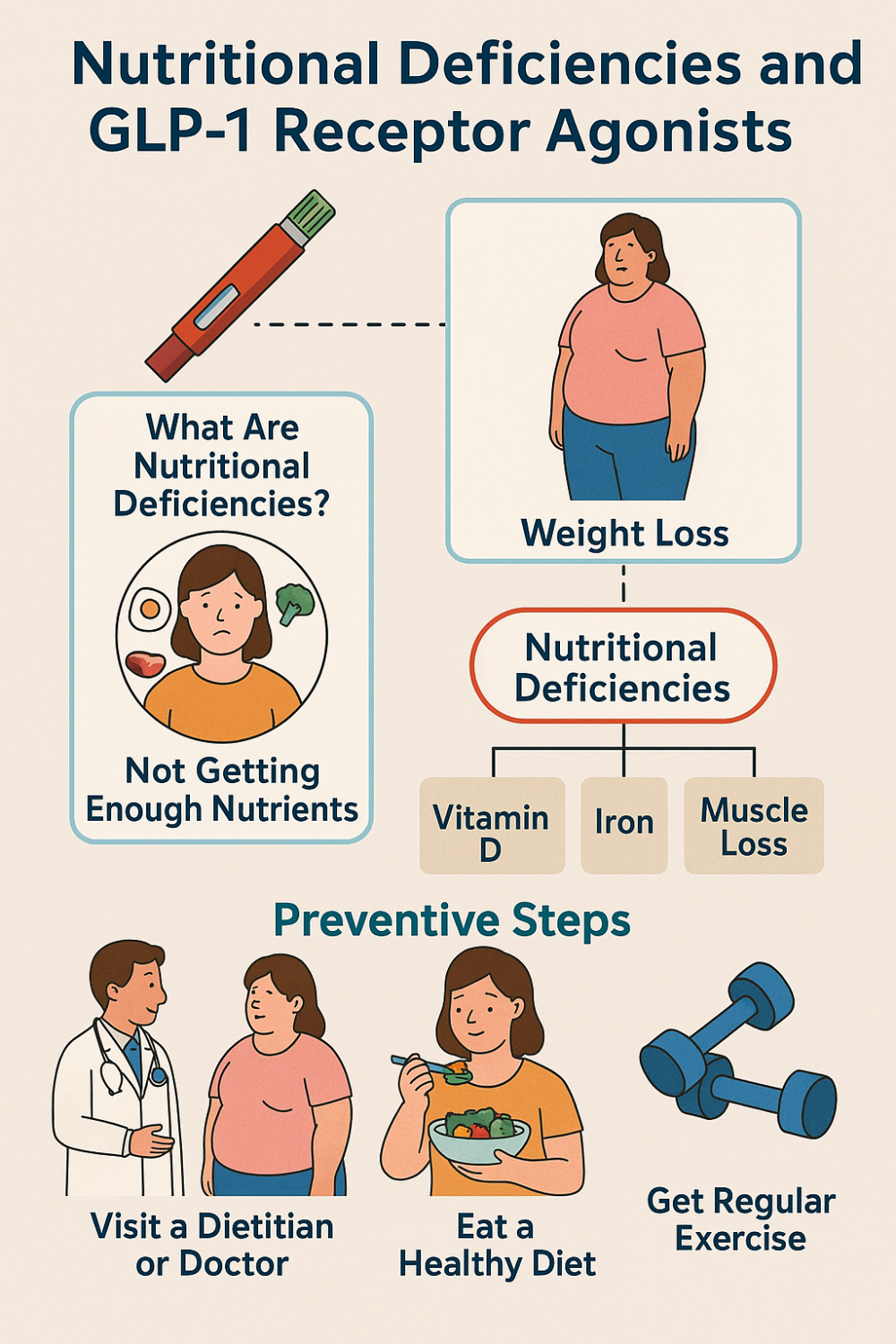
The Indian problem may be different
This issue deserves particular attention in India. Many Indians already enter obesity or diabetes treatment with nutritional vulnerabilities. A person can simultaneously have excess body fat and inadequate intake of particular micronutrients in India.
This is sometimes called the “double burden” of malnutrition. For example, a person with abdominal obesity and insulin resistance may still have inadequate vitamin D, B12 or iron intake. This becomes particularly relevant for:
Vegetarians and vegans: lower intake of naturally occurring B12
Women: higher risk of iron deficiency because of menstrual blood loss
Older adults: lower food intake and higher risk of inadequate protein and micronutrient intake
People with diabetes: potentially complex nutritional requirements and medication-related issues
People following highly restrictive diets: reduced dietary diversity
People experiencing persistent nausea or vomiting: particularly vulnerable to inadequate intake
Muscle Loss with Weight Loss Drugs
Weight loss can include reductions in both fat mass and lean mass. If protein intake falls substantially while calorie intake is sharply restricted, maintaining skeletal muscle becomes more difficult.
A 2026 review in the clinical nutrition literature therefore emphasises protein strategies, micronutrient monitoring and preservation of lean mass during GLP-1-based obesity treatment, including special consideration for older adults, people with diabetes, CKD, vegetarian/vegan diets and sarcopenic obesity.
For an Indian vegetarian taking a GLP-1 medicine, this is particularly important. A plate dominated by a small quantity of rice or roti may provide carbohydrate but relatively little protein. Better choices can include combinations such as:
-
dal + curd + eggs
-
paneer + vegetables
-
Meat + vegetables
-
Chieck and Fish + vegetables
-
chana/rajma + curd
The precise protein target should be individualised according to age, body weight, kidney function, physical activity and medical status.
Vitamin B12 deserves special attention
B12 is particularly relevant to Indian vegetarian diets. Naturally occurring vitamin B12 is concentrated in animal-derived foods. Therefore, people consuming little or no meat, fish, eggs or dairy may already have inadequate intake.
If appetite subsequently falls because of GLP-1 therapy, the absolute quantity of B12-containing foods may fall further. B12 deficiency can affect blood formation and the nervous system. Importantly, neurological symptoms can occur even before severe anaemia becomes obvious.
Iron is another potential nutritional gap
The 2026 Clinical Obesity review found ferritin levels 26–30% lower among GLP-1 users compared with SGLT2 inhibitor comparators.
Ferritin reflects iron stores, although it can also rise during inflammation. Consequently, interpreting ferritin sometimes requires additional markers such as haemoglobin, transferrin saturation and clinical context.
For Indian women—particularly those with heavy menstrual bleeding—the issue deserves greater attention.
Vitamin D and calcium: the bone-health connection
Rapid weight loss can also raise questions about bone health. The 2026 review identified vitamin D as the most frequently reported deficiency signal, reaching 13.6% at 12 months in the reviewed evidence.
But Indians already have a well-recognised risk of inadequate vitamin-D status, partly because of limited effective sunlight exposure, indoor lifestyles, skin pigmentation and dietary factors. Calcium intake can also be inadequate.
This makes the combination of: low calorie intake + inadequate protein + low calcium/vitamin D + reduced physical activity
potentially more concerning than weight loss alone. Resistance exercise therefore deserves a place alongside nutrition during intentional weight reduction.