

Is Your Child’s Gut Missing Its Most Important Good Bacteria? New Indian Research Raises Important Question

ICMR Study Finds Lower Bifidobacterium Levels in Both Underweight and Obese Indian Children—What Every Parent Should Know

Indian Study Published in May 2026, Finds Low Bifidobacterium in Underweight and Obese Children – Most parents worry if their child is too thin or gaining too much weight. These are visible signs that something may not be quite right. But new Indian research suggests that another important change may be happening inside the gut—one that cannot be seen without specialized testing.

Researchers from the ICMR–National Institute of Nutrition (NIN), Hyderabad recently studied the gut bacteria of Indian children and adolescents aged 8–18 years. They compared three groups: underweight children, children with healthy body weight, and children with obesity.

One finding stood out. Both underweight and obese children had lower levels of Bifidobacterium—one of the most beneficial groups of bacteria in the human gut—compared with children of normal weight.

While this study does not prove that low Bifidobacterium causes malnutrition, it strengthens growing evidence that a healthy gut microbiome is closely linked with healthy growth and metabolism.

What Is Bifidobacterium?

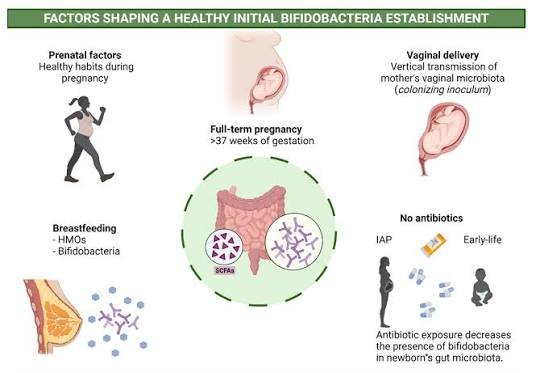
Bifidobacterium is one of the first beneficial bacteria to colonize a baby’s intestine after birth, especially in breastfed infants. During early life, it helps shape the developing gut microbiome and supports several important functions:

  • Helps digest certain carbohydrates and dietary fibres.

  • Produces beneficial short-chain fatty acids that nourish the cells lining the intestine.

  • Supports development of the immune system.

  • Helps maintain the gut barrier, reducing the passage of harmful substances into the bloodstream.

  • Competes with potentially harmful bacteria, helping maintain a balanced gut ecosystem.

Although Bifidobacterium naturally declines as children grow older and their diet changes, maintaining healthy levels remains important for gut health throughout childhood.
Is Your Child's Gut Missing One of Its Most Important Good Bacteria
Is Your Child’s Gut Missing One of Its Most Important Good Bacteria

What Did the Indian Study Find?

The researchers enrolled 70 Indian children and adolescents and measured selected gut bacteria using quantitative polymerase chain reaction (qPCR). Compared with children of normal weight:

  • Underweight children had lower abundance of Bifidobacterium.

  • Obese children also had lower abundance of Bifidobacterium.

  • Other bacterial groups showed different patterns, but reduced Bifidobacterium was the finding common to both forms of malnutrition.

This suggests that gut dysbiosis—an imbalance in the gut microbiome—may be associated with both undernutrition and obesity, two conditions that remain major public health challenges in India.

Importantly, the study cannot determine whether the microbiome changes came before or after changes in body weight. More long-term research is needed to answer that question.

Why Might Bifidobacterium Be Lower?

Many factors influence the gut microbiome during childhood, including:

  • Diet low in fruits, vegetables and animal foods

  • Low intake of natural prebiotic fibres

  • Frequent and excessive consumption of ultra-processed foods

  • Repeated or unnecessary antibiotic use

  • Reduced physical activity

  • Early-life feeding practices, including poor breastfeeding history

No single factor explains microbiome changes, and every child’s gut microbiome is unique.

What Parents Can and Should Do?

Although there is no evidence that parents should routinely test or supplement Bifidobacterium in healthy children, there are several practical, evidence-based ways to support a healthy gut microbiome.

1. Feed the Good BacteriaBifidobacterium thrives on dietary fibres and prebiotics rather than sugar or processed foods. Include foods such as: Bananas (especially slightly green bananas), Oats, Onions., Garlic, Apples and Animal Foods including Dairy Products. These foods help nourish beneficial gut bacteria naturally.

2. Include Fermented Foods – Traditional fermented foods may support overall microbial diversity. Examples include: Curd (yogurt), Traditional buttermilk, Homemade fermented Kaanjis, batters used for idli and dosa etc. While these foods do not necessarily contain Bifidobacterium, they contribute to a healthy dietary pattern that supports gut health.

3. Limit Ultra-Processed Foods – Diets high in sugary drinks, packaged snacks and highly processed foods are associated with less favourable gut microbial profiles in many studies. Replacing these foods with minimally processed, fibre-rich meals benefits both the gut microbiome and overall nutrition.

4. Use Antibiotics Wisely – Antibiotics can be lifesaving when truly needed, but they may also reduce beneficial gut bacteria. Parents should avoid demanding antibiotics for viral illnesses such as the common cold and always follow their healthcare professional’s advice.

5. Encourage Outdoor Play – Regular physical activity supports overall metabolic health and has also been linked with greater gut microbial diversity in several studies.

Should Parents Give Probiotics?

Not necessarily. Although certain probiotic products contain Bifidobacterium strains, there is currently no recommendation to give routine probiotic supplements to all healthy children simply to increase Bifidobacterium.

Different probiotic strains have different effects, and benefits are often condition-specific. Decisions about probiotic use should be guided by a healthcare professional, particularly in children with medical conditions.

Bottom Line

The new Indian study offers an important message: both underweight and obese children may share a common feature—a lower abundance of beneficial Bifidobacterium bacteria in the gut. While scientists are still determining whether these changes are a cause or a consequence of malnutrition, the findings reinforce something parents can act on today.

A balanced diet rich in fibre, fruits, vegetables, legumes and traditional fermented foods, combined with regular physical activity and appropriate antibiotic use, creates an environment that supports a healthy gut microbiome.

As research continues, Bifidobacterium may become an important marker of childhood gut health. Until then, the most effective strategy remains surprisingly simple: feed your child well—and feed the good bacteria in your child’s small intestine too. Increase outdoor physical activities and exposure to more sunlight for a healthier and brighter life.

More from the blog

Osteoporosis and Fractures Diet Guide: Low Oxalate Meal Plan for Indians

If you are a PURE Vegetarian - this write up and every single word of this, greatly helps you understand the inherent risk of...

Anti-Nutrient Crisis: High Oxalates and Low Calcium cause Increased Bone Fractures in Indians

As part of our Evidence-Explained™ - we present you learnings from a long, 20 years running clinical study on Osteoporosis and Fractures in Americans...

Efficacy of Vitamin K2 (MK-7) on Linear Growth in Children: Addressing Growth Deficit in Indian Children

Height and Bone Developments in Children Childhood linear growth represents a sensitive biomarker of cumulative somatic health, adequate cellular nutrition, and harmonious skeletal development. Globally—and within...

Role of Vit K2 in Arterial Health, Inter99 Study & Vit K2 Deficiency in Indians

If you love your Heart and care for your Heart Health - you won't miss a word of this special series on Heart Health...