


The extent of Problem / Prevalence
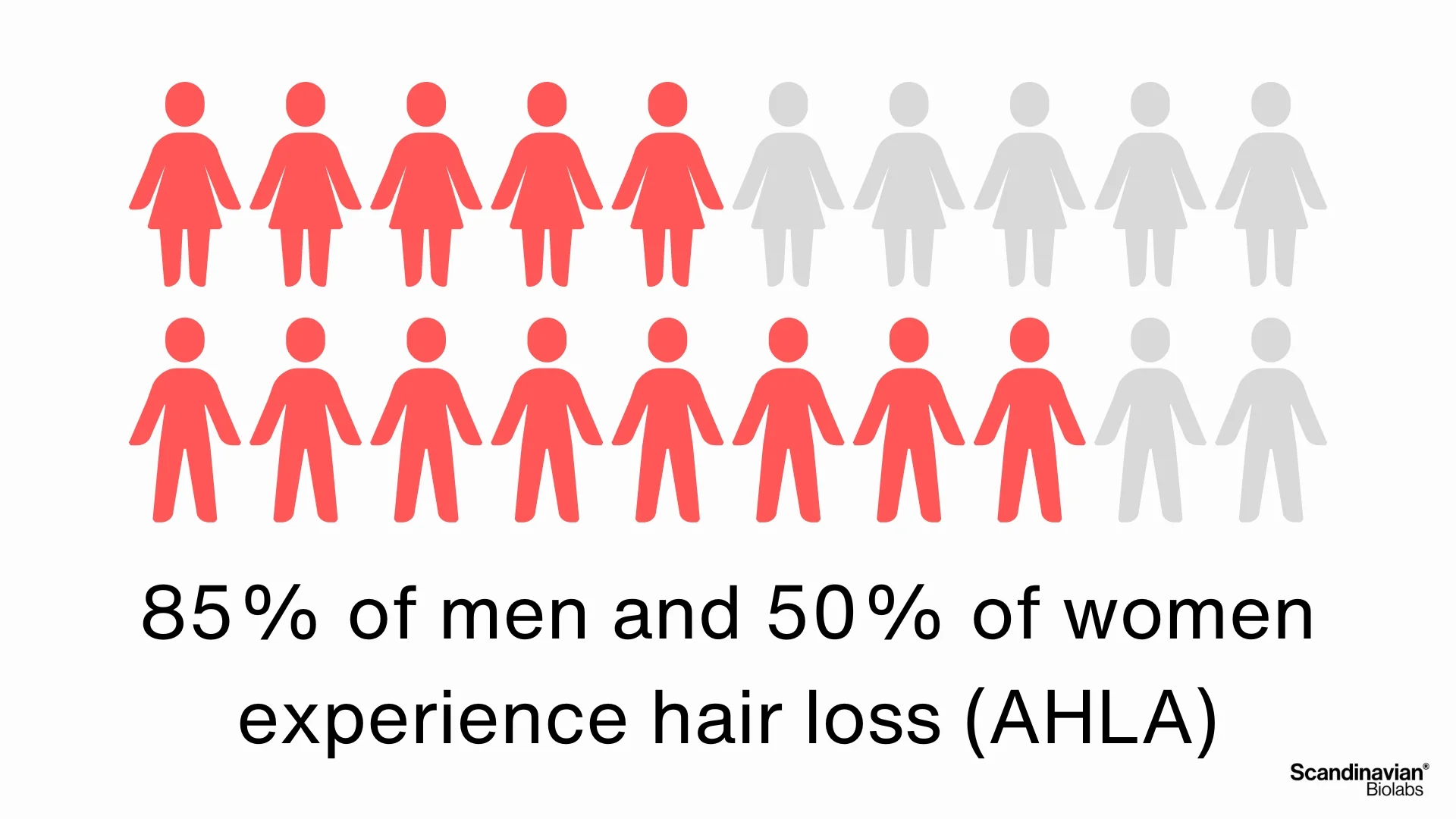
Hair fall is highly prevalent in India, affecting approximately 40% of the population. Studies reveal that up to 58% of Indian males aged 30 to 50 experience Androgenetic Alopecia (male pattern baldness), and nearly 60% of men report experiencing hair fall by age 25.
Hair fall is highly prevalent in India, affecting approximately 40% of the population. Studies reveal that up to 58% of Indian males aged 30 to 50 experience Androgenetic Alopecia (male pattern baldness), and nearly 60% of men report experiencing hair fall by age 25.
Here are the specific, localized trends across the country:
-
Primary Causes: According to dermatologists, genetics account for up to 70% of hair loss cases, while the remaining 30% is driven by lifestyle factors like nutritional deficiencies (especially iron, amino acids, and vitamin D), chronic stress, and urban pollution
-
Gender Discrepancies: While hair loss is more common in men, research indicates that Indian women actually report a higher prevalence of daily hair fall (affecting over 65% of females), often exacerbated by underlying hormonal issues like PCOS and thyroid imbalances
-
Regional Stressors: Studies show metropolitan areas and high-stress states—such as Delhi (which sees female stress-induced hair fall rates near 19.2%) and Punjab—show significantly higher rates of environmental and stress-induced hair fall compared to lower-stress zones like Himachal Pradesh

Solution for India – Fermented Rice Water, China anecdote
Usage of fermented rice water as the only traditional hair treatment has been practiced for over 1,000 years in China with modern research now confirming the exact mechanism of action.
In the mountains of Guangxi in southern China, the women of Huangluo village have attracted global attention for an extraordinary tradition: growing their hair to remarkable lengths.
The Red Yao women of Huangluo are widely associated with the title “Long Hair Village.” Xinhua-linked reporting documented an average hair length of 1.7 metres among 180 women in the village—about 5 feet 7 inches. Reports also describe Huangluo as having been recognised as the “world’s longest hair village.”
But one claim repeatedly shared online needs closer examination: Is rice water really the reason for their unusually long, dark hair? The tradition is real. The science is just slightly more complicated.
The oft repeated secret is – these women wash hair in glutinous rice water, left after washing the rice before cooking.
Where is the Evidence
Search interest in rice water for skin and hair rose 90% over five years, according to a 2024 analysis published in the Journal of Cutaneous Medicine and Surgery. However, the researchers also stressed that scientific data on the dermatological use of rice water remain limited.
One of the most frequently cited scientific studies was published in the Journal of the Society of Cosmetic Chemists of Japan in 2010.
Link to the study – https://www.researchgate.net/publication/263578023_Abstracts_The_effect_of_rinse_water_obtained_from_the_washing_of_rice_YU-SU-RU_as_a_hair_treatment
Researchers studied rice washing water, traditionally called Yu-Su-Ru in Japan. They found that rice washing water could reduce friction on the hair surface and improve hair elasticity. In simple terms, treated hair may be smoother and better able to bend without damage.
Rice Water Works – Mechanism
It’s documented and studied that – fermented rice water contains inositol, a carbohydrate that penetrates damaged hair and repairs it from the inside out. a study showed inositol remained inside the hair shaft even after rinsing, providing ongoing protection and repair
-
the fermentation process produces pitera, a byproduct containing vitamins B, E, minerals, amino acids, and organic acids that strengthen hair at the cellular level
-
fermentation concentrates the nutrients by 2-3x compared to plain rice water – contains antioxidants including ferulic acid that protect the hair follicle from UV damage and oxidative stress
-
the same compounds that protect rice plants from sun damage protect your follicle from environmental degradation
-
the amino acids in fermented rice water strengthen the hair cuticle reducing breakage by up to 50% in studies
-
less breakage means more retained length which creates the appearance of faster growth
-
the slightly acidic pH of fermented rice water (4.0-5.0) matches the natural pH of hair and scalp
-
this closes the cuticle, increases shine, and reduces the frizz and porosity caused by alkaline shampoos
-
the B vitamins and minerals reduce scalp inflammation and support the dermal papilla cells that control the follicle growth cycle