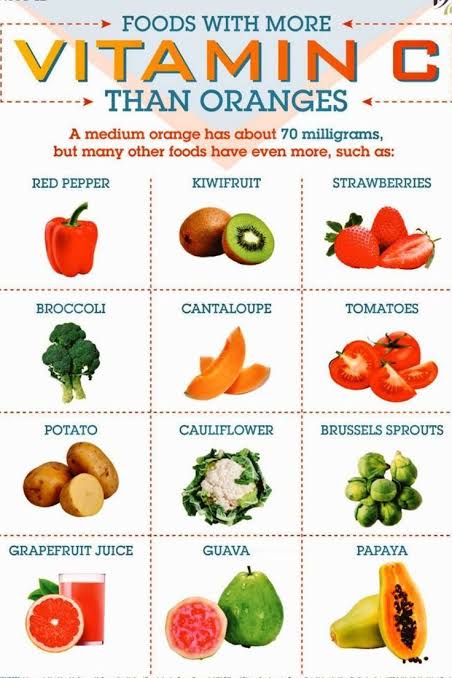


What is Vit C – What is its Role in Human Body
Vitamin C, also known as ascorbic acid, is an essential water-soluble vitamin required for the growth, repair, and protection of tissues throughout the body. Since the human body cannot produce or store vitamin C, a regular daily intake through food is necessary to maintain adequate levels, making deficiency a common concern in India.
Vitamin C supports several critical functions that affect overall health, immunity, and recovery.
Key Roles of Vitamin C in the Body
-
Collagen Production: Vitamin C is essential for making collagen, a structural protein that keeps skin, gums, blood vessels, bones, and connective tissues strong and healthy.
-
Antioxidant Protection: It helps protect cells from damage caused by free radicals, which contribute to ageing and chronic diseases.
-
Immune System Support: Vitamin C supports the production and function of white blood cells, helping the body fight infections more effectively.
-
Iron Absorption: It improves the absorption of non-heme iron from plant-based foods, reducing the risk of iron-deficiency anaemia, especially important for vegetarians.
-
Brain and Mood Health: Vitamin C plays a role in producing neurotransmitters that influence mood, focus, and cognitive function.