This is our special write up dedicated to the parents, who unfortunately may have a child with ASD (Autism Spectrum Disorder). Autism unfortunately not only affects the present of an affected child but also the future as an ASD child may not get a chance to get married and start a family, unfortunately. We present a summary and outcomes from a few studies which looked at nutritional deficiencies in ASD Children and certain recommended diet plans to fulfill nutritional requirements of ASD Children. Till a cure is possible, lets do our best to help parents cope and hopefully improve ASD condition in their children.
Autism Spectrum Disorder (ASD) is a lifelong brain condition that affects how a child communicates, behaves, and interacts with others. For Indian parents, it brings heavy lifelong stress due to social stigma, a severe lack of specialized support, financial burdens and the agonizing worry about the future, as to who will care for their child after they pass away.
Core Challenges for Indian Parents
Social Stigma and Shame: Families often face harsh judgment, blame, or isolation from relatives and neighbors who do not understand the condition
Lack of Support Services: Good therapy centers, trained special educators, and inclusive schools are rare, especially outside of major cities
Financial Strain: Private therapy, medical care, and lifelong assistance cost a lot of money, usually paid out of pocket without any government help unlike in developed countries
Future Care Worries: Parents constantly stress over who will protect and support their child, will their child get a spuse, when they grow old or die, as group homes are scarce nowadays
Marital and Family Stress: The constant pressure can break apart marriages and leave parents with no time for their own mental health or other children
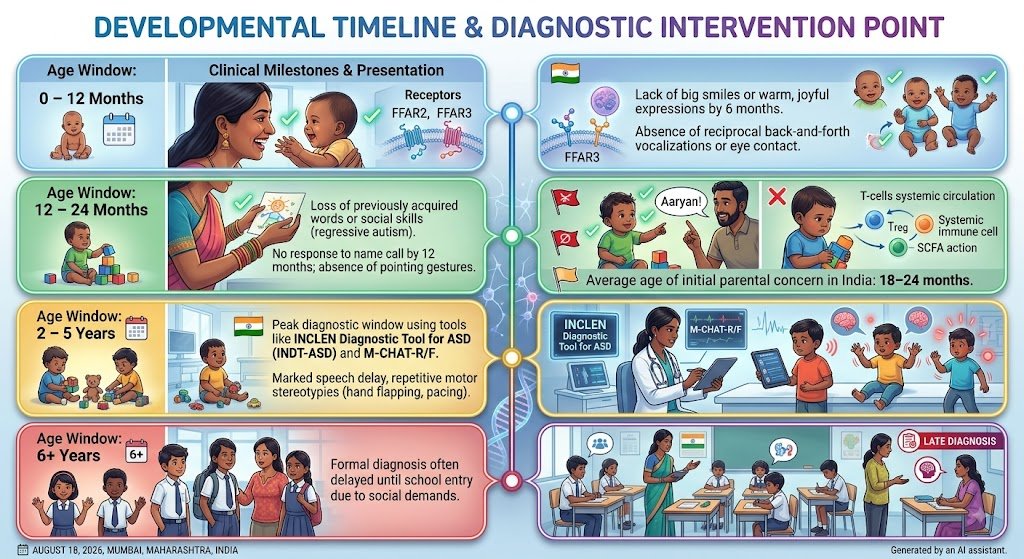
In a promising news for ASD Children – growing clinical awareness, standardized screening tools and targeted nutritional interventions have significantly reshaped how ASD is now being diagnosed and managed, at least in cities, large and small.
Epidemiology of ASD in India
Epidemiological estimates of Autism in India have historically varied due to diagnostic underreporting, stigma and regional disparities in healthcare access. However, population-based studies provide a clearer picture:
Prevalence Rates: Large-scale epidemiological surveys (such as those by the INCLEN Trust International) estimate the prevalence of ASD in Indian children aged 2–9 years at approximately 1 in 100 to 1 in 125 children (~0.85% to 1%)
Urban vs. Rural Disparity: Recorded prevalence is higher in urban settings (~1.2%) compared to rural regions (~0.6%), primarily driven by early screening availability, pediatrician awareness, and parent literacy rather than purely biological differences
Gender Ratio: Consistent with global trends, ASD exhibits a male-to-female ratio of approximately 3:1 to 4:1 in India
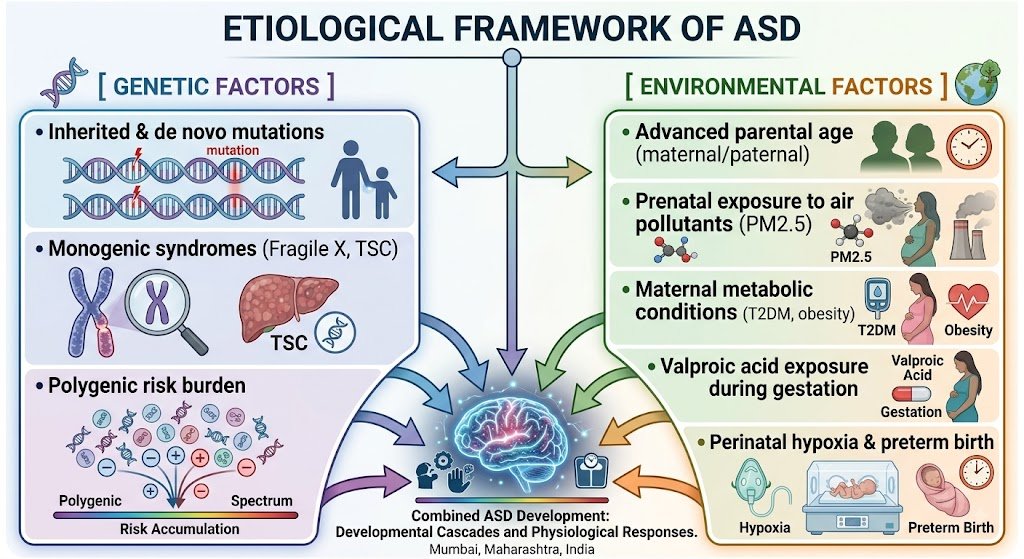
Etiology & Risk Factors
ASD is a multifactorial condition resulting from complex interactions between genetic susceptibility and environmental influences:
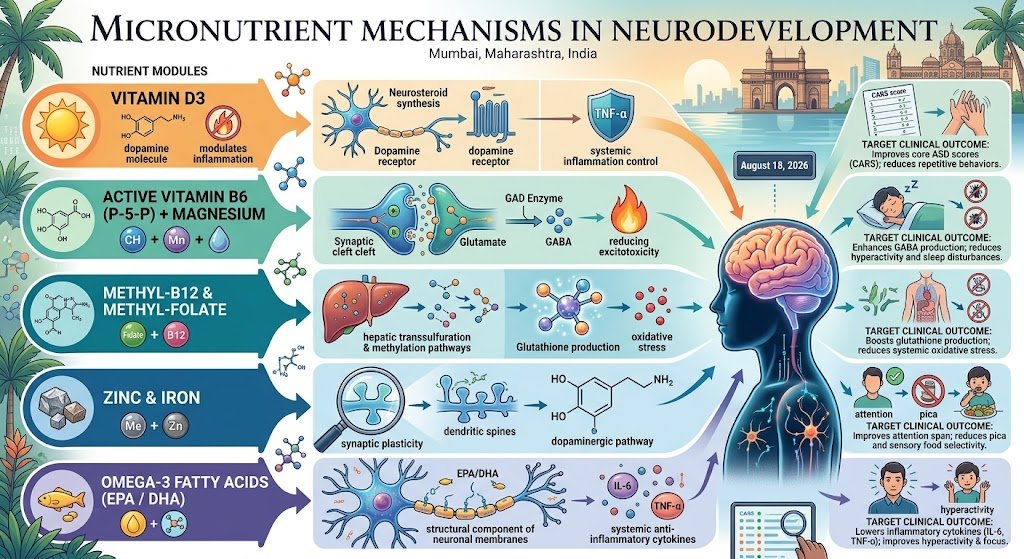
Children with ASD frequently exhibit restricted food preferences due to sensory processing sensitivities (texture, color, or temperature selectivity). This selective eating, combined with gut dysbiosis, leads to targeted micronutrient deficiencies that can exacerbate neurodevelopmental symptoms.
Vitamin D3 (25(OH)D): Calcitriol acts as a neurosteroid hormone that regulates gene expression of tryptophan hydroxylase 2 (TPH2), the rate-limiting enzyme for serotonin synthesis in the brain. Serum 25(OH)D levels are statistically lower in Indian children with ASD compared to neurotypical controls
Pyridoxal-5-Phosphate (P-5-P / Vitamin B6) + Magnesium: B6 serves as an essential coenzyme in neurotransmitter synthesis. Co-administration with magnesium prevents B6-induced peripheral neuropathy and mitigates irritability
Methylcobalamin (Vitamin B12) & Methylfolate (L-5-MTHF): Impaired methylation pathways and low levels of reduced glutathione (GSH) are common in ASD. Targeted B12 supplementation supports methylation capacity and cellular detoxification
Key Clinical Studies & Evidentiary References
Scientific trials evaluating nutritional interventions in children with autism highlight several key findings:
Study Design: Double-blind, randomized controlled trial (RCT) assessing the efficacy of high-dose Vitamin D3 (300 IU/kg/day, max 5,000 IU/day) in children with ASD (n = 109).
Results:Children receiving active Vitamin D3 demonstrated significant improvements on the Childhood Autism Rating Scale (CARS) and Aberrant Behavior Checklist (ABC) compared to placebo (p < 0.001), particularly in social interaction and attention domains.
Study Design: Randomized, double-blind, placebo-controlled trial evaluating subcutaneous methyl-B12 (75 mcg/kg Body Weight) combined with oral folinic acid in autistic children over 8 weeks.
Results: Over the treatment period, all VABS subscales significantly improved with an average effect size of 0.59, and an average improvement in skills of 7.7 months. A greater improvement in glutathione redox status was associated with a greater improvement in expressive communication, personal and domestic daily living skills, and interpersonal, play-leisure, and coping social skills. Age, gender, and history of regression did not influence treatment response. The significant behavioral improvements observed and the relationship between these improvements to glutathione redox status suggest that nutritional interventions targeting redox metabolism may benefit some children with autism.
Study Design: A 3-month comprehensive RCT evaluating a customized multivitamin/mineral formula (containing bioavailable B-complex, Zinc, Magnesium and Antioxidants) in children with ASD (n = 141).
Results: Oral vitamin/mineral supplementation is beneficial in improving the nutritional and metabolic status of children with autism, including improvements in methylation, glutathione, oxidative stress, sulfation, ATP, NADH, and NADPH. The supplement group had significantly greater improvements than did the placebo group on the PGI-R Average Change. This suggests that a vitamin/mineral supplement is a reasonable adjunct therapy to consider for most children and adults with autism.
Study Design: Meta-analysis synthesizing randomized clinical trials on high-dose EPA/DHA supplementation in pediatric ASD cohorts.
Results: Pooled analysis confirmed a statistically significant reduction in hyperactivity, lethargy, and stereotyped behavior scores on the Aberrant Behavior Checklist.
Targeted Elimination and Micronutrients
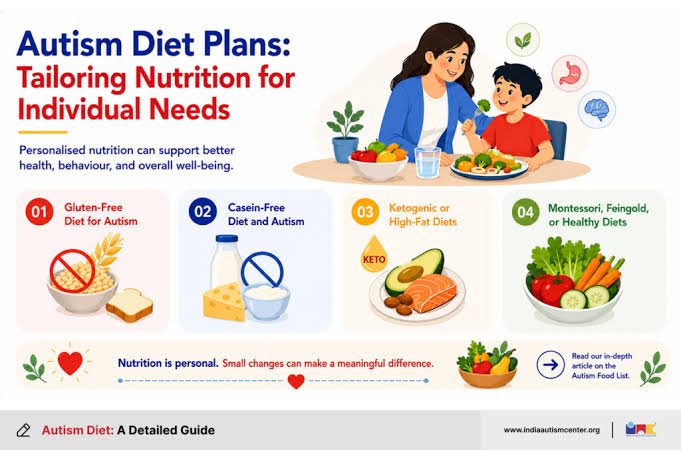
Gluten-Free/Casein-Free (GFCF): Trials testing the removal of wheat (atta) and dairy (doodh, commercial cheese) are common if a child shows proven sensitivities, though evidence on core behavioral changes varies
Omega-3 Rich Foods: Incorporate walnuts (* akhrot*), flaxseeds, fatty fish and pure cod liver oil to support neurological development
Magnesium and Vitamin B6: Sourced from green leafy vegetables (palak, methi), bananas and seeds to support focus and speech development milestones
Vitamin B12 and Folic Acid: Ideally and poreferrably from direct animal foods, instead of supplements. A standard 100-gram serving of goat liver contains roughly 60 to 70 micrograms (mcg) of Vitamin B12 (exceeding 2,000% of the daily recommended value) and about 300 to 340 micrograms of natural folate (Vitamin B9) – both highly bioavailable
Nutritional deficiencies are quite common in Autistic children and a carefully crafted and disciplined approach can help parents meet the nutritional requirements of Autistic children and potentially help avoid / minimize any nutritional deficiencies and certainly help improve symptoms.
Good Nutrition is an excellent adjunct therapy – do focus equally on Nutrition while you arrange best therapeutic care for Autistic Child.
As part of our Evidence-Explained™ - we present you learnings from a long, 20 years running clinical study on Osteoporosis and Fractures in Americans...
Height and Bone Developments in Children
Childhood linear growth represents a sensitive biomarker of cumulative somatic health, adequate cellular nutrition, and harmonious skeletal development.
Globally—and within...