


Social media in India is witnessing extensive and spirited discussions on rising costs and “limited availability” of Whey Protein Supplements. As more and more Indians realize that daily protein intake in Indians MUST increase substantially, Whey Protein have emerged as a “go to supplement” and a quick dietary fix to augment daily protein intake.
In this growing “rush” to use Whey Protein, are we not missing the wood for trees. This precisely is the premise for this, Evidenece-Explained™ write up comparing, Whey Protein as Supplement with Whole Meats such as Chicken, Fish, Eggs and Mutton or even Whole Milk.
Whey Protein “Quick Fix”
Whey protein is widely used by athletes, gym-goers and older adults seeking to maintain muscle. However, it is only a supplement— and certainly not a necessary replacement for protein-rich foods.
Fish, chicken, mutton and eggs supply complete proteins alongside varying amounts of vitamins, minerals and other nutrients – a fact which a large number, nee almost all of Indians, going ga-ga over Whey Protein Powders – are clearly and absolutely missing. Whey Protein Shake is ONLY Protein source while Whole Meats and Eggs supply Not Only COMPLETE Protein but also Vitamins, Zinc, Iron and other trace minerals, critically important for human body.
No Doctor, rarely a Nutritionist and certainly not a Gym Bro knows and shares with you that a few critical Nutrients such as Vit B12, Vit D3, Pre-Forrmed Vit A, Creatine, Taurine, Co-Q10, Carnosine, Carnitine and EPA / DHA are available ONLY and ONLY from Animal Meats and not from Whey Protein or Plant Proteins of “The Hole in their Truth” Fame.
Would it not be plain, simple, unglamorous common sense to get complete protein as well as accompanied, highly bio-available Vitamins, Minerals and all Amino Acids from Whole Meats rather than from “fancy” synthetic supplements and current hot commodity – Whey Protein Powder.
The crucial scientific question then is whether eating these whole animal meats / foods produce results comparable to or better than whey protein supplementation when total protein intake is inadequate, as in Indians. While Indians have highest levels of Iron deficiency, Vit D3 deficiency and Vit B12 deficiency along with Zinc deficiency in the world – consumption of the animal meats not only meets and exceeds protein requirements but also reliably and more effectively meets the Vitamins and Minerals requirements as well – as we demonstrate, with evidence, in next paragraphs.
The evidence-based answer is that whole animal foods can stimulate muscle protein synthesis and support muscle development, but direct, long-term human trials comparing ordinary servings of fish, mutton, eggs or chicken with whey supplements are rather limited at this moment but we have listed most important ones for your consideration.
Researchers in sports nutrition and muscle metabolism—such as Dr. Luc van Loon (Maastricht University) and Dr. Nicholas Burd (University of Illinois)—have evaluated how the human body processes whole animal protein foods (e.g., minced beef, lean pork, eggs) versus isolated whey protein.

Key Direct Head-to-Head Studies: Evidence-Explained™
1. Whole Meat vs. Whey Protein (Burd et al. / van Loon et al.)
-
The Setup: Human subjects engaged in resistance exercise were given either lean minced meat or an equivalent dose of whey protein isolate (matched for total protein or leucine content). Muscle biopsies were taken to measure real-time Muscle Protein Synthesis (MPS) rates.
-
Finding: While whey protein produces a faster, higher peak in blood leucine and essential amino acids (EAAs) within 30–60 minutes, lean meat delivers an equivalent or slightly more sustained stimulation of muscle protein synthesis over a 4–5 hour period. Over 12–16 weeks of resistance training, gains in lean muscle mass and strength were statistically identical between groups supplementing with beef versus whey.
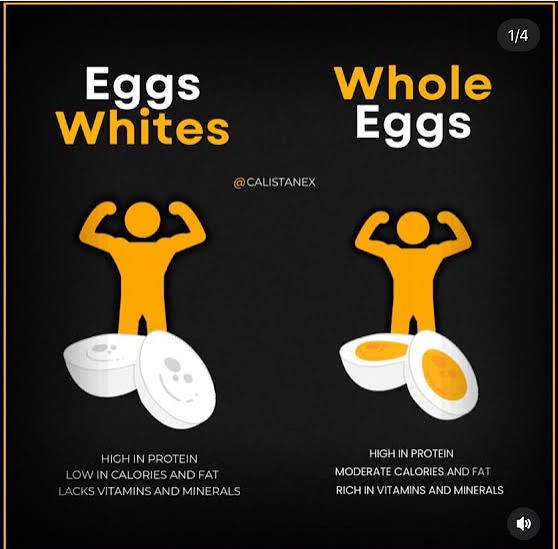
2. Whole Eggs vs. Egg White / Whey Protein (van Vliet et al., 2017)
-
The Setup: Young men performed resistance training and ate either whole eggs (containing protein + fat + micronutrients) or egg whites/whey matched precisely for 18 grams of protein.
-
Finding: Whole eggs stimulated muscle protein synthesis 40% more effectively than egg whites or isolated protein alone. The presence of the egg yolk (fats, phosphatidic acid, vitamins, and minerals) enhanced the muscle’s ability to utilize the available amino acids—a phenomenon termed the “Food Matrix Effect.”
3. Lean Pork / Chicken vs. Whey (Controlled Metabolic Studies)
-
The Setup: Acute metabolic studies comparing whole meat meals (cooked pork loin or chicken breast) against whey protein shakes matched for total essential amino acid content.
-
Finding: Whey digests faster because it requires no mechanical breakdown in the stomach. However, whole meat results in a more gradual, prolonged release of systemic amino acids, preventing excess amino acids from being oxidized (burned as fuel) and directing them toward sustained muscle repair.
Key Learnings & Lessons From Head-to-Head Trials
-
The “Digestive Speed” Fallacy (The Anabolic Window):
-
Myth: Fast-digesting protein (like whey) builds substantially more muscle than whole food because it floods the bloodstream rapidly post-workout.
-
Science: While rapid digestion gives whey a slight acute edge in peak blood amino acid concentration, total muscle protein synthesis over 24 hours relies on total amino acid exposure. Whole meats digest slower but keep blood amino acids elevated longer, resulting in equal long-term hypertrophy.
-
-
The “Food Matrix” Advantage:
-
Whole animal meats are not just isolated amino acids; they come packaged with lipids, micronutrients (heme iron, zinc, B12, selenium), and naturally occurring bioactive compounds (creatine, carnitine, anserine).
-
Studies demonstrate that non-protein nutrients in whole foods enhance muscle protein synthesis efficiency beyond what the isolated amino acid profile alone predicts.
-
-
Total Daily Protein > Protein Source:
-
Meta-analyses of head-to-head trials show that when total daily protein intake is matched (typically around 1.6 to 2.2 grams per kilogram of body weight), long-term gains in muscle mass, strength, and power show no significant difference whether the protein comes from animal meat or whey supplements.
-
-
Satiety, Thermal Effect & Caloric Control:
-
Whole animal meat requires higher energy expenditure for digestion (Thermic Effect of Food) and provides significantly higher satiety (fullness) than liquid whey shakes. For body composition goals involving fat loss alongside muscle preservation, whole meat has a distinct behavioral advantage.
-
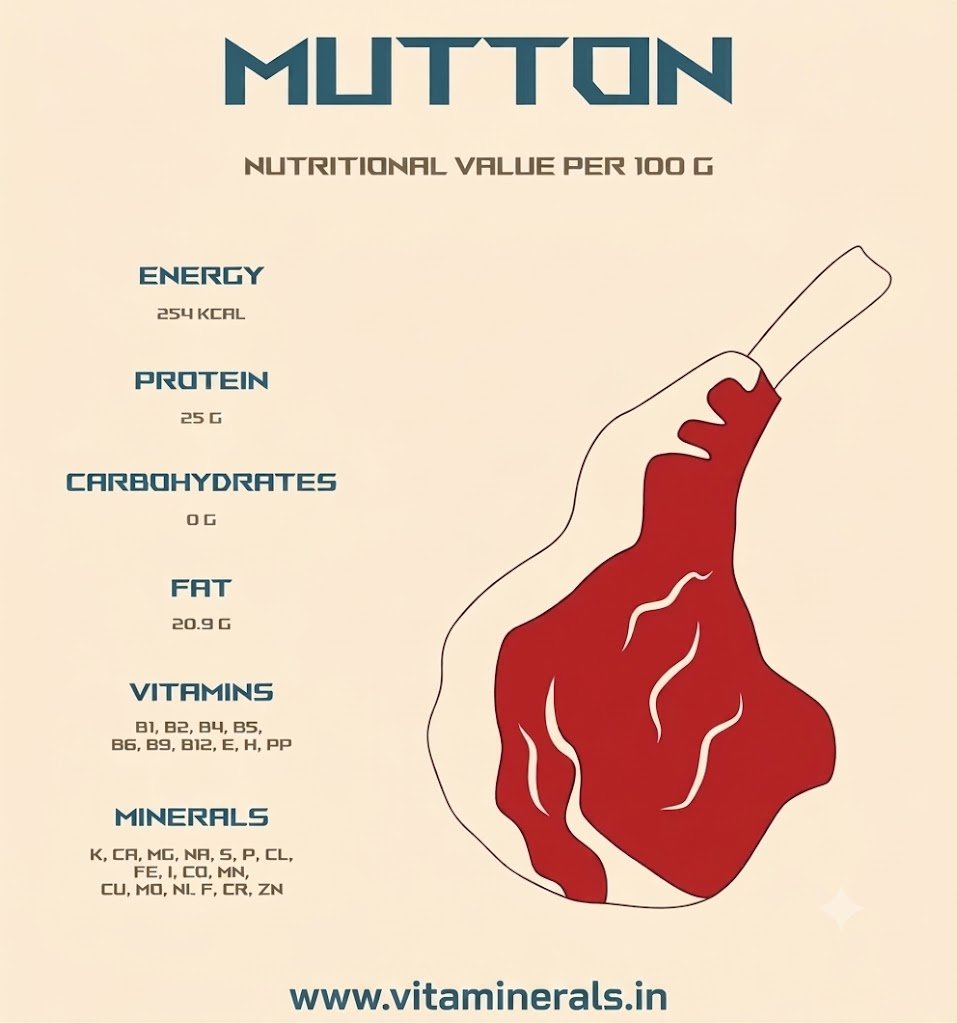

How do whole animal meats compare nutritionally?
Approximate values for 100 g of cooked food are shown below. Actual values vary by species, cut, fat content and cooking method; these are practical estimates, not results of a clinical comparison.
Food |
Protein per 100 g |
Distinctive nutritional contribution |
|---|---|---|
Chicken breast, skinless |
29–31 g |
Lean protein, niacin, vitamin B6 |
Lean buff meat |
25–29 g |
Vitamin B12, zinc, haem iron, creatine, carnosine, Co-Q10 |
Lean mutton |
25–29 g |
Vitamin B12, zinc, haem iron, highest levels of carnosine, Co-Q10 |
Fish |
20–27 g |
Complete protein; oily fish can supply EPA and DHA omega-3s |
Whey powder |
Often 70–90 g |
Concentrated protein; leucine-rich, with less food volume |
These figures are indicative ranges, not a substitute for product-specific labels or a food-composition database.
The table illustrates a key difference: whey provides a high concentration of protein in a small serving, whereas whole foods deliver protein as part of a meal. Meat and fish also supply micronutrients and, depending on the food, fat and other bioactive compounds. Whey has its own advantages, including convenience and ease of adjusting the protein dose.
What about leucine and muscle growth?
Leucine is one of the essential amino acids involved in initiating muscle protein synthesis. Whey is rich in leucine and is digested relatively quickly, which makes it a convenient post-exercise option.
However, muscle growth is not determined by leucine alone. Total essential amino acid availability, the overall protein dose, training stimulus, energy intake, age and the distribution of protein across meals all matter. Whole meat and fish supply all essential amino acids and can support muscle protein synthesis when consumed in sufficient quantities.
There is no universal rule that a protein source with a faster amino-acid peak will always produce greater long-term muscle growth.
Muscle Growth, Strength and Recovery: is Whey Powder Really Necessary?
For a healthy adult doing resistance training, the primary priorities are:
-
Consistent, progressive resistance training
-
Adequate daily protein and energy intake
-
Protein-rich meals distributed reasonably throughout the day
-
Sufficient sleep and recovery
Whey is a practical way to increase protein intake when food alone does not meet the target. It is not inherently necessary if an individual already consumes enough high-quality protein from meals.
For example, a meal containing fish, chicken, mutton or buff meat can supply a substantial protein dose. The person does not need to add a whey shake simply because the protein came from food rather than a supplement.
Conversely, a person who struggles to eat enough protein because of appetite, convenience, time constraints or food preferences may find whey useful. The decision should be based on the nutritional gap, not on the assumption that supplements are automatically more anabolic.
Does this Answer Change for Older Adults?
Older adults may require particular attention to protein adequacy because ageing can reduce the muscle-building response to a given meal and increase the risk of sarcopenia, especially during inactivity or illness.
Both whole animal foods and whey can help address inadequate protein intake. The best choice depends on additional deficiencies, dietary preferences, affordability and the person’s overall total diet – whole meats remain undoubtedly, scientifically and clinically way better than whey protein powders for older adults.
What About Broader Health—Not Just Muscle?
This is where the comparison needs even more care. A study measuring muscle protein synthesis over five hours cannot tell us whether a food improves cardiovascular outcomes, diabetes risk, longevity or cancer risk.
-
Fish: Oily fish can supply EPA and DHA omega-3 fatty acids. The nutritional profile depends on species and preparation
- Chicken: Skinless, minimally processed chicken can be a useful lean protein source as well as source for Niacin (Vit B3)
- Mutton and buff meat: These are red meats. Their nutritional benefits far exceed than any Whey Protein Powder as these meats suppy Vit B12, Zinc, Heme Iron, Selenium, Carnosine, Carnitine, Co-Q10 etc
- Whey Powder: Whey can help meet ONLY protein needs, but it does not replace the full range of nutrients supplied by a varied animal meat diet
Practical Takeaways for Nutrition Strategy – A Practical Framework for Indian Consumers
For Indian adults seeking to maintain or build muscle, a sensible food-first approach is to:
-
Establish the protein requirement. Needs differ by body weight, age, physical activity, energy intake and medical status – before finalizing source of Protein
-
Use whole foods as a first choice. Mutton, Fish and chicken are best options for people who eat them
-
Use whey to fill a temporary gap. It can be particularly convenient after exercise or when meals do not provide enough protein
-
Assess the whole diet. Protein intake alone does not ensure adequate fibre, essential fats, vitamins, minerals or overall dietary quality
-
Individualise clinical advice. People with chronic kidney disease or other conditions requiring protein modification should seek appropriate clinical guidance rather than adopting a high-protein regimen such as Whey Powder automatically