


The Silent Loss: Why Indian Seniors Lose 40% More Muscle and How Science is Cracking the Code
Consider a familiar scene in many Indian households: Ramesh Uncle, a retired government servant in his late 60s living in Jaipur, sits down to his daily breakfast of two idlis with sambar or a bowl of poha alongside a cup of warm tea. He has always been a disciplined man—he goes for morning walks, avoids sweet treats, and keeps his diet light and home-cooked.
Yet, over the last few years, he has noticed subtle, frustrating changes. Opening a tightly closed pickle jar feels harder. Getting up from a low chair requires a push from his hands. His arms look noticeably thinner, and his balance isn’t quite as steady as it used to be.
When Ramesh Uncle consults his physician, the doctor suggests adding more protein to his diet. His family starts giving him extra paneer, lentils, and warm milk. Yet, months later, his strength doesn’t bounce back.

Why does an older adult, eating what seems to be a wholesome meal, struggle to retain muscle strength while a 25-year-old on the same diet stays lean and firm?
For decades, medical science treated age-related muscle loss like a single broken link in a chain. If the body lacked protein, the simple answer seemed to be eating more protein or taking a single supplement. But groundbreaking research published in The Journal of Physiology using sophisticated mathematical modeling has revealed why single-treatment approaches continually fail.
The research proves that older muscles process protein through a system impaired in six distinct ways at once. When an older adult consumes protein, their body builds up to 40% less new muscle tissue compared to a younger person eating the exact same meal. For urban and rural Indians—who already navigate unique dietary and lifestyle patterns—this cellular discovery provides critical insights into maintaining lifelong independence.

Indian Reality: Sarcopenia, Diet, and the Asian Indian Phenotype
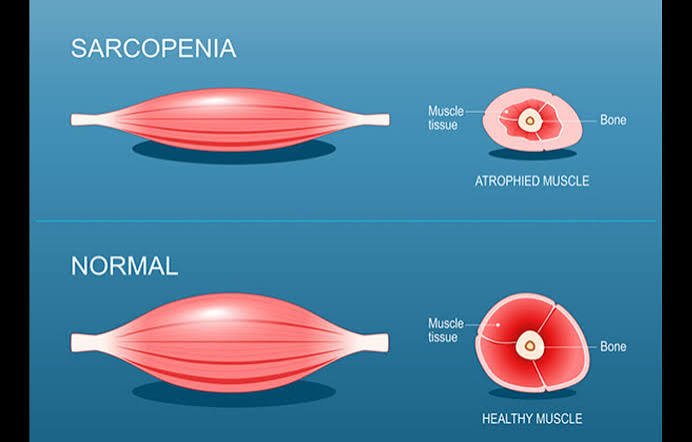
To understand why this cellular mechanism matters so much in India, we must look at how Indian bodies age. In clinical medicine, the gradual loss of muscle mass, strength, and physical performance that occurs with advancing age is known as sarcopenia. While sarcopenia affects older adults globally, the Indian population faces a distinct metabolic picture often termed the Thin-Fat Indian Phenotype or Asian Indian Phenotype.
This condition is characterized by a higher proportion of body fat, particularly abdominal visceral fat, combined with lower absolute skeletal muscle mass compared to Western populations at similar Body Mass Index (BMI) levels.
Epidemiological data from across India shows that muscle decline is widespread and sets in earlier than previously thought:
-
High Prevalence in Community-Dwelling Seniors: Comprehensive clinical studies conducted in urban and rural hubs—such as research published by the Indian Council of Medical Research (ICMR) and regional health studies across Delhi, Pune, and Chennai—report that sarcopenia affects between 17.5% and 25.9% of community-dwelling Indian adults aged 60 and above. In institutionalized or frail elderly populations, this number rises beyond 40%
-
Early Onset: While Western populations typically show marked sarcopenic decline after age 65, muscle strength and mass metrics in urban Indians frequently begin to dip significantly past the age of 45–50, driven by sedentary urban routines, high stress, and low mechanical loading (lack of resistance exercise)
-
The Protein Gap in the Indian Thali: According to data from the National Nutrition Monitoring Bureau (NNMB) and the Consumer Pyramids Household Survey (CPHS), over 70% of Indian diets are protein-deficient. The average Indian daily diet relies heavily on carbohydrates (derived from refined rice, wheat, and millets), supplying roughly 0.6 grams of protein per kilogram of body weight per day—well below the ICMR recommended intake of 0.8 to 1.0 g/kg/day for adults, and far below the 1.2 to 1.5 g/kg/day recommended for aging adults to combat muscle wasting.
-
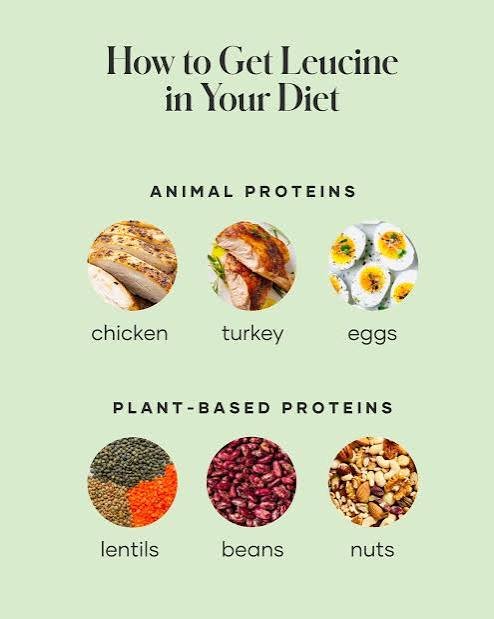
Quality vs. Quantity: A typical traditional Indian vegetarian meal (such as dal-rice, roti-sabzi, or dosa-chutney) contains plant proteins that are often incomplete in essential amino acid profiles, particularly low in leucine—the specific amino acid responsible for turning on the genetic switch for muscle synthesis. When you combine a baseline dietary protein deficit with an underlying metabolic impairment, the outcome is accelerated muscle loss. Scientists call this metabolic roadblock anabolic resistance.
What is Anabolic Resistance?
When a young person eats a meal rich in protein—such as eggs, mutton, chicken, or a rich bowl of mixed pulses with dairy—the digestive tract breaks those proteins down into individual building blocks called amino acids.
These amino acids absorb into the bloodstream and travel to the skeletal muscles. Once inside muscle cells, amino acids act both as raw building materials and as chemical signals. They activate an internal cellular engine that stitches amino acids back together into new muscle fibers, a process called Muscle Protein Synthesis (MPS).
In a healthy 20-year-old, this muscle-building engine runs at full efficiency. A modest protein intake triggers a robust spike in MPS. But as we age, the system develops anabolic resistance: muscle tissue becomes progressively resistant or to the anabolic (growth-stimulating) signals delivered by circulating amino acids and insulin after a meal.
As a result, even if an Indian senior eats a meal containing 20 grams of protein, their muscles synthesise up to 40% less muscle protein than the muscles of their adult grandchild eating the exact same meal. Over months and years, this daily 40% deficit compounds, gradually thinning out muscle fibers, weakening joint stability, and increasing the risk of falls and frailty.

Why Single Solutions Failed: The Six-Point System Breakdown
For decades, researchers and nutritionists attempted simple solutions to fix anabolic resistance:
-
Give older adults higher doses of protein
-
Supplement their diet with concentrated leucine powders
-
Administer pharmaceutical agents to boost growth hormone or insulin sensitivity
While these single-target strategies yielded minor improvements in isolated trials, none reliably restored muscle protein synthesis back to youthful levels in long-term human studies. To figure out why, scientists utilized a sophisticated computational biophysical model simulating human protein metabolism from digestion down to intracellular signaling pathways.
Instead of viewing aging muscle as having a single broken part, the computer model tested six distinct physiological mechanisms known to deteriorate with age. The simulation was populated using empirical data from published human clinical trials in older adults.
Impact on Muscle Building

When researchers simulated each of these six mechanisms individually in young, virtual muscle, only one factor caused a substantial drop on its own: the 43% reduction in mTOR sensitivity to leucine. The other five individual disruptions produced minor dips that failed to match the real-world 40% loss seen in senior subjects.
However, when the computer model activated all six mechanisms simultaneously, the simulation perfectly matched the real-world 40% muscle-building deficit observed in clinical trials of older human adults. The total deficit was not simply an addition of individual parts—it was a systemic cascade failure where multiple minor bottlenecks reinforced each other.
Dimmer Switch Paradox: Baseline Activation at Rest
While running these multi-pathway simulations, the computational model revealed an unexpected physiological anomaly: older muscle tissue actually exhibits higher baseline activation of growth pathways while resting (in a fasting state) compared to young muscle tissue.
At first glance, higher resting activation might sound like a positive defense mechanism—and in a way, it is. The cell partially turns on its growth machinery at rest to protect itself from excessive, rapid muscle wasting during times when no food is coming in. Without this partial compensation, age-related muscle loss would happen far faster.
However, this protection comes with a profound physiological trade-off. Think of muscle protein synthesis like a lighting dimmer switch in a room:
-
Young Muscle Dynamic Range: In a young person, the dimmer switch starts at 0% (complete darkness) while fasting. When they eat a protein-rich meal, the switch flips smoothly from 0% all the way to 100%, creating a massive, dramatic surge in new muscle protein creation
-
Older Muscle Dynamic Range: In an older adult, chronic low-grade systemic inflammation (often called – inflammaging) and altered cellular signaling cause the dimmer switch to remain stuck at 30% even when resting and unfed. When an older person eats a protein meal, the switch can only move from 30% to 70%. The total dynamic range—the ability to ramp up synthesis after a meal—is severely compressed
Because the signal cannot jump dramatically, the anabolic drive following breakfast, lunch, or dinner remains weak and muted.
Simulating Solutions: Why Single Interventions Fail
Once the multi-pathway model was established, the research team began testing virtual therapies inside the computer simulation to see what it would take to restore healthy muscle building. First, they tried fixing problems one by one:
-
Fixing Leucine Sensitivity Alone: Increasing leucine intake (or making mTOR twice as sensitive to leucine) helped slightly, but could not overcome the fact that gut extraction was stealing amino acids, microvessels were delivering fewer nutrients, and total mTOR/p70S6K protein counts were diminished. The net synthesis remained far below normal
-
Fixing Digestion Alone: Preventing the gut and liver from extracting extra amino acids delivered more leucine to the bloodstream, but the blunted downstream mTOR machinery in the muscle cell still failed to utilize it effectively
-
Boosting Insulin Alone: Increasing insulin activation did little because the underlying physical hardware of the cell (mTOR and p70S6K proteins) was depleted
The computer model proved a crucial rule: When all six systems fail together, no single targeted fix can restore normal muscle synthesis.
Key Rules for Successful Combinations
-
Fix hardware volume, not just signal activity: It is not enough to send a stronger chemical signal to a cell if the cell lacks the actual protein machinery (mTOR/p70S6K) to process that signal
-
Target both upstream and downstream pathways: Successful interventions must address digestive delivery (upstream) AND cellular signaling (downstream) simultaneously
-
Hit multiple points simultaneously: A multi-system decline requires a multi-system response
Connecting Science to the Indian Context
These cellular insights offer a direct explanation for why standard dietary advice often fails Indian seniors. Consider how typical daily habits intersect with these six metabolic failure points:
1. The Carbohydrate-Heavy Indian Breakfast – In many Indian homes, breakfast consists largely of refined carbohydrates—upma, parathas with tea, poha, or sweet baked goods. These meals provide minimal essential amino acids and very little leucine. When an older Indian adult with anabolic resistance eats a low-protein breakfast, their gut retains a significant portion of those few amino acids, and the tiny amount that reaches the muscle fails to cross the elevated activation threshold. The muscle remains in a net breakdown state for almost the entire
morning
2. The “Once-a-Day” Protein Error – Even in non-vegetarian Indian households, protein consumption is often concentrated into a single heavy meal—usually dinner (e.g., mutton curry, chicken, or dense paneer gravy). However, because older gut tissue extracts more amino acids and older muscle cells have fewer mTOR proteins, trying to flood the system with 50 grams of protein in one sitting overwhelms the limited, impaired machinery. The excess amino acids are oxidized or excreted rather than used for muscle building. The body requires consistent, moderate protein signals spread throughout the day rather than a single large load
3. Sedentary Lifestyle and Microvascular Decline – Systemic microvascular delivery—the ability of tiny capillaries to expand and deliver blood, insulin, and amino acids deep into muscle tissue after a meal—declines significantly with physical inactivity, Type 2 Diabetes, and metabolic syndrome. India currently accounts for over 101 million people living with diabetes (according to the ICMR-INDIAB Study). Metabolic health issues directly impair muscle microcirculation, creating a physical barrier that prevents swallowed nutrients from ever reaching the muscle fibers.
Translating the Model into Action
While geneticists and pharmaceutical researchers work on therapies to upregulate gene expression for mTOR and p70S6K proteins, how can an aging Indian adult put these multi-system insights to work right now?
The computer model demonstrates that single solutions (like swallowing an isolated leucine pill or simply adding one extra spoonful of protein powder) are insufficient. To overcome a six-point system failure, we need a multi-layered lifestyle strategy that targets digestion, nutrient delivery, and cellular signaling at the same time.


1. Pulse-Dose Protein & Strategic Leucine Thresholds – To overcome gut extraction loss and blunted mTOR sensitivity, older adults must hit a higher per-meal leucine threshold to trigger muscle protein synthesis. Clinical studies suggest that while a 20-year-old can trigger MPS with 2.0 grams of leucine (found in ~20g of high-quality protein), an adult over 60 often requires 3.0 to 3.5 grams of leucine per meal (found in ~30–35g of protein)
-
For Vegetarian Diets: Combining plant sources is essential. A simple bowl of dal may only provide 1.2 grams of leucine and 8–10 grams of total protein. To hit the required threshold, Indian seniors can combine pulses/legumes with dairy concentrated sources like paneer, Greek yogurt (hung curd), soy products, or a high-quality plant/whey protein isolate supplement rich in added leucine
-
Distribute Evenly: Instead of eating a light carb-based breakfast and a heavy protein dinner, aim for 25–35 grams of high-quality protein at breakfast, lunch, and dinner
2. Combine Protein with Mechanical Loading (Resistance Exercise) – Resistance exercise (weight training, bodyweight squats, resistance band exercises, or climbing stairs) is the most potent tool available to restore cellular sensitivity in aging muscle.
-
Why it works: Physical contraction of muscle fibers dramatically increases capillary blood flow (fixing Mechanism #2: Microvascular Delivery) and directly activates the mTOR pathway through physical strain, independent of insulin. When an older adult performs resistance exercise before consuming a protein-rich meal, the combined stimulus bypasses much of the anabolic resistance, forcing even low counts of mTOR and p70S6K proteins to work at maximum capacity
3. Manage Metabolic Health and Systemic Inflammation – Chronic low-grade inflammation keeps the cell stuck at an elevated resting baseline, robbing the muscle of its dynamic range after meals.
-
Targeting visceral fat loss through balanced nutrition and daily movement lowers circulating inflammatory cytokines (like TNF-alpha and IL-6)
-
Managing blood sugar levels through low-glycemic, fiber-rich traditional Indian foods (such as whole millets like ragi, jowar, and bajra paired with green leafy vegetables) improves systemic insulin sensitivity, helping overcome Mechanism #3 (Insulin Resistance)
4. Early Prevention in Your 40s and 50s – One of the most important takeaways from metabolic computer modeling is that protein machinery (mTOR and p70S6K abundance) drops by 20% to 50% over decades of disuse and aging. Rebuilding these protein structures after they have declined takes years of intensive effort.
The lifestyle choices made during middle age—staying physically active, maintaining muscle mass through resistance training, keeping visceral fat low, and meeting daily protein requirements in your 40s and 50s—directly dictate whether these crucial metabolic pathways remain responsive or fail prematurely in your 70s and 80s.
Study Limitations and Future Research
While this computational model provides a major leap forward in our understanding of sarcopenia, it is important to acknowledge its limitations as framed by the study authors:
-
Pure Amino Acid Liquids vs. Whole Foods: The simulation was built using data from clinical trials that administered pure amino acid liquids or isolated whey drinks to fasting human subjects. Real- world meals contain complex mixtures of fats, complex carbohydrates, dietary fiber, and micronutrients that slow gastric emptying and alter insulin curves, which may modify these results
-
Focus on Synthesis vs. Breakdown: The model primarily evaluated Muscle Protein Synthesis (MPS). It assumed that baseline Muscle Protein Breakdown (MPB) remains relatively stable with age. If an older adult also suffers from elevated protein breakdown due to acute illness, bed rest, or unmanaged chronic diseases (like chronic kidney disease or advanced diabetes), net muscle loss will occur even faster than the model predicts
-
Gender Representation: Much of the historical clinical dataset used to calibrate the signaling model came from male trial participants. Further modeling is required to map potential sex-specific differences in hormone interactions and muscle preservation in post-menopausal women