



This is final and concluding Part 2 of the 2-Part Series on Findings from Dr S L Malhotra’s Landmark Study on Indian Railways Employees. For Part 1 of this Series, Pls click here.
Dr S L Malhotra’s Study was published in 1967 – What Six Decades of Research Has Revealed so far — and Why the Study Still Matters Today.
When Dr. S. L. Malhotra published his observations from the Indian Railways Medical Service in the 1960s, he challenged one of the strongest scientific beliefs of his time—that diets rich in saturated fat inevitably caused coronary heart disease. His findings did not overturn the diet-heart hypothesis overnight, but they did something equally important: they encouraged scientists to ask better questions.
Nearly sixty years later, cardiovascular science has advanced enormously. Researchers now have access to molecular biology, genomics, metabolomics, advanced imaging, gut microbiome analysis and large international cohort studies involving millions of participants.
So, what has modern science concluded? The answer is both fascinating and surprisingly balanced.
From a Single Nutrient to the Whole Diet
One of the biggest changes in nutrition science since 1967 has been the shift away from judging foods based on a single nutrient. In the 1960s and 1970s, much of the discussion centred on:
-
Total fat
-
Saturated fat
-
Cholesterol
Today, researchers increasingly evaluate entire dietary patterns. Large studies consistently show that heart disease risk depends on multiple interacting factors:
-
Quality of carbohydrates
-
Dietary fibre
-
Type of fat
-
Protein sources
-
Micronutrients
-
Food processing
-
Physical activity
-
Smoking
-
Blood pressure
-
Diabetes
-
Genetics
-
Sleep
-
Chronic inflammation
This broader perspective is remarkably similar to Dr. Malhotra’s own thinking, where he suggested that several lifestyle factors—not just dietary fat—might explain regional differences in heart disease.
Dairy Is More Complex Than Scientists Once Thought
Perhaps the biggest lesson concerns dairy foods. During the 1960s, milk, butter and ghee were often viewed simply as sources of saturated fat.
Modern research paints a much richer picture. Milk products contain:
-
High-quality protein
-
Calcium
-
Potassium
-
Phosphorus
-
Vitamin B12
-
Riboflavin
-
Bioactive peptides
-
Milk-fat globule membrane components
-
Fermentation-derived compounds (in yogurt and traditional curd)
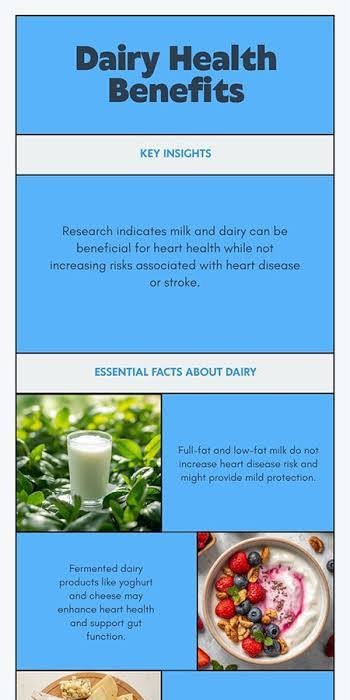
Numerous large meta-analyses now suggest that consumption of full fat milk and fermented dairy is generally neutral—or in some populations modestly beneficial—for cardiovascular disease risk when consumed as part of an overall healthy diet.
This may potentially have formed the basis for modern, Keto-Diet Concept However, this does not mean unlimited consumption of butter, cream or ghee is protective. The relationship with Sat Fats, depends on the overall dietary pattern, energy balance and individual metabolic health.
Cholesterol Is Only One Piece of the Puzzle
Another major advance since the 1960s has been our understanding of cholesterol. Today we know:
-
Elevated oxidised-LDL cholesterol is a major causal risk factor for atherosclerosis
-
HDL cholesterol behaves differently and may have protective effects
-
Triglycerides contribute independently to cardio-vascular risks, though we now do know that Truglyceride levels are not raised by Sat Fats but largely by refined carbohydrates
-
Lipoprotein(a), an inherited risk marker, increases cardiovascular risk
But high cholesterol alone does not explain why one individual develops a heart attack while another does not. Researchers now recognise important contributions from:
-
Chronic inflammation
-
Endothelial dysfunction
-
Oxidative stress
-
Insulin resistance
-
High blood pressure
-
Obesity
-
Smoking
-
Physical inactivity
Heart disease is therefore viewed as a multifactorial disorder, not simply a consequence of one dietary component.
Rise of Insulin Resistance / Fall of The Planet of Beta-Cells
One concept almost absent from cardiovascular discussions in 1967 was insulin resistance. Today, it is considered central to the development of:
-
Type 2 diabetes
-
Metabolic syndrome
-
Fatty liver disease
-
Cardiovascular disease
Modern Indian research has shown that many South Asians develop insulin resistance at relatively low body mass index (BMI), partly explaining why cardiovascular disease develops earlier than in many Western populations. This helps explain why modern prevention focuses not only on cholesterol, but also on:
-
Waist circumference
-
Blood glucose
-
HbA1c / Fasting Insulin Levels
-
Blood pressure
-
Lifestyle modifications
Gut Microbiome: A New Frontier
One field that did not exist during Dr. Malhotra’s era is Gut-Microbiome science. Researchers now know that trillions of microorganisms living in the intestine influence: Inflammation, Lipid metabolism, Glucose regulation, Immune function, Body weight and Cardiovascular health.
Certain gut-derived compounds, including trimethylamine N-oxide (TMAO), have attracted attention because of their potential association with cardiovascular risk.
At the same time, dietary fibre and beneficial gut bacteria produce short-chain fatty acids that appear to support metabolic health. These discoveries reinforce the idea that food influences health through multiple biological pathways—not merely through fat content.
Why Heart Disease Incidences Have Sky-Roceketed in India
Despite remarkable advances in medicine, India now carries one of the world’s largest burdens of cardiovascular disease. Several factors have changed dramatically since the Indian Railways Study. Today’s Indians consume:
-
More ultra-processed foods
-
More refined carbohydrates and more often
-
More sugar-sweetened beverages
-
Larger portion sizes
-
More restaurant meals – out of home meals
-
Relatively less Dairy and Animal Foods, despite increased availability and affordability compared to 1967
-
More sedentary lifestyles, more inside-office jobs, white collar jobs
Urbanisation, reduced physical activity and increasing obesity have transformed the cardiovascular risk profile of the country. Consequently, the nutrition challenges facing India today are very different from those of the 1960s.
What Modern Science Agrees With
Many of Dr. Malhotra’s broader observations have aged remarkably well. Researchers today widely agree that:
✔ Heart disease cannot be explained by one nutrient
✔ Dietary patterns matter more than individual foods
✔ Lifestyle plays a major role
✔ Regional dietary habits influence disease risk
✔ Scientific observations should challenge existing theories rather than be ignored
These principles remain fundamental to nutritional epidemiology.
Where Modern Science Differs
At the same time, several conclusions have evolved. Modern evidence supports that:
-
Elevated oxidised-LDL cholesterol is an established causal factor for atherosclerotic cardiovascular disease
-
Excess calories contribute to obesity regardless of food sources – Indian diets increasingly these days are “calorie sufficient and nutrient deficient”
-
Smoking, hypertension and diabetes are among the strongest modifiable cardiovascular risk factors