



ICMR Study Finds Lower Bifidobacterium Levels in Both Underweight and Obese Indian Children—What Every Parent Should Know
Indian Study Published in May 2026, Finds Low Bifidobacterium in Underweight and Obese Children – Most parents worry if their child is too thin or gaining too much weight. These are visible signs that something may not be quite right. But new Indian research suggests that another important change may be happening inside the gut—one that cannot be seen without specialized testing.
Researchers from the ICMR–National Institute of Nutrition (NIN), Hyderabad recently studied the gut bacteria of Indian children and adolescents aged 8–18 years. They compared three groups: underweight children, children with healthy body weight, and children with obesity.
One finding stood out. Both underweight and obese children had lower levels of Bifidobacterium—one of the most beneficial groups of bacteria in the human gut—compared with children of normal weight.
While this study does not prove that low Bifidobacterium causes malnutrition, it strengthens growing evidence that a healthy gut microbiome is closely linked with healthy growth and metabolism.
What Is Bifidobacterium?
Bifidobacterium is one of the first beneficial bacteria to colonize a baby’s intestine after birth, especially in breastfed infants. During early life, it helps shape the developing gut microbiome and supports several important functions:
-
Helps digest certain carbohydrates and dietary fibres.
-
Produces beneficial short-chain fatty acids that nourish the cells lining the intestine.
-
Supports development of the immune system.
-
Helps maintain the gut barrier, reducing the passage of harmful substances into the bloodstream.
-
Competes with potentially harmful bacteria, helping maintain a balanced gut ecosystem.
Although Bifidobacterium naturally declines as children grow older and their diet changes, maintaining healthy levels remains important for gut health throughout childhood.
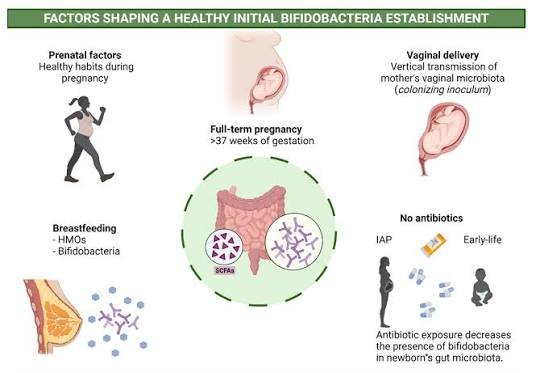
What Did the Indian Study Find?
The researchers enrolled 70 Indian children and adolescents and measured selected gut bacteria using quantitative polymerase chain reaction (qPCR). Compared with children of normal weight:
-
Underweight children had lower abundance of Bifidobacterium.
-
Obese children also had lower abundance of Bifidobacterium.
-
Other bacterial groups showed different patterns, but reduced Bifidobacterium was the finding common to both forms of malnutrition.
This suggests that gut dysbiosis—an imbalance in the gut microbiome—may be associated with both undernutrition and obesity, two conditions that remain major public health challenges in India.
Importantly, the study cannot determine whether the microbiome changes came before or after changes in body weight. More long-term research is needed to answer that question.
Why Might Bifidobacterium Be Lower?
Many factors influence the gut microbiome during childhood, including:
-
Diet low in fruits, vegetables and animal foods
-
Low intake of natural prebiotic fibres
-
Frequent and excessive consumption of ultra-processed foods
-
Repeated or unnecessary antibiotic use
-
Reduced physical activity
-
Early-life feeding practices, including poor breastfeeding history