
Hypothyroidism May Affect 1 in 6 Pregnant Women in India, Major ICMR Review Finds

A new Indian meta-analysis links thyroid problems during pregnancy with preterm birth, low birth weight and other serious pregnancy outcomes, thus highlights need for monitoring thyroid levels.

Hypothyroidism during pregnancy may be far more common in India than widely recognised.

A major 2026 systematic review and meta-analysis published in the Indian Journal of Medical Research (IJMR) pooled evidence from 60 Indian studies. Researchers estimated that 17% of pregnant women had hypothyroidism—roughly one in six women.

The study was led by researchers from the Indian Council of Medical Research (ICMR) and ICMR-National Institute of Nutrition.
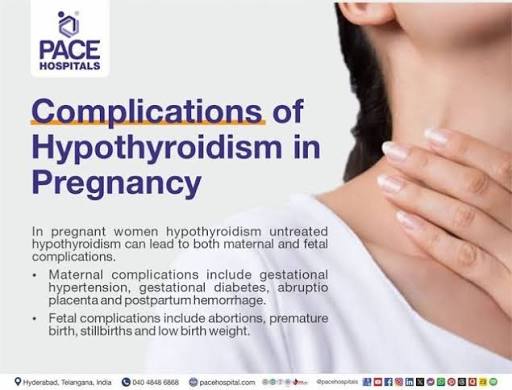
17% of pregnant Indian women had hypothyroidism

The researchers reviewed studies published up to January 2025. Of 959 records initially identified, 60 Indian studies met the final criteria. The pooled findings were shocking:

  • 17% had overall hypothyroidism

  • 15% had subclinical hypothyroidism

  • 3% had overt hypothyroidism

Subclinical hypothyroidism means TSH is raised but thyroid hormone levels remain within the normal range. Overt hypothyroidism is more severe and involves raised TSH with low thyroid hormone levels. The new 17% estimate is higher than an earlier Indian meta-analysis, which reported an overall prevalence of 11.1%.

Why thyroid hormone matters during pregnancy

Thyroid hormones are important for the mother’s health and the baby’s growth and brain development. When the thyroid does not produce enough hormone, pregnancy risks may increase.

The IJMR review found important pregnancy and birth problems among women with hypothyroidism.

Subclinical hypothyroidism: pregnancy outcome data

Among women with subclinical hypothyroidism, the pooled prevalence of reported outcomes included:

Pregnancy or birth outcome Pooled prevalence
Pregnancy-induced hypertension 22%
Preterm birth 18%
Low birth weight 17%
Preeclampsia 14%
Poor growth of the baby in the womb 11%
NICU admission 9%
Intrauterine death 7%
Stillbirth 2%

These findings are important because subclinical hypothyroidism may not produce obvious symptoms. A pregnant woman may feel reasonably well while a blood test shows raised TSH.

Overt hypothyroidism showed an even greater burden

The review also examined women with overt hypothyroidism. Among these women, pooled estimates included 22% for low birth weight, 16% for preterm birth, 16% for intrauterine death and 6% for stillbirth.

Maternal complications were also reported. The pooled prevalence was 20% for pregnancy-induced hypertension, 18% for preeclampsia and 15% for abortion. These numbers do not prove that hypothyroidism directly caused every outcome. The included studies were mainly observational. However, the findings add to existing concern about poorly controlled thyroid disease during pregnancy.

India has a major thyroid screening problem

One of the most important findings of the review was not simply the prevalence of hypothyroidism. It was the lack of uniform testing standards across India.

Most studies used pregnancy-specific TSH limits based on American Thyroid Association guidance. However, 15 of the 60 studies used different limits, with the upper normal TSH level varying from 4 to 10 mIU/L. This creates a practical problem.

The same pregnant woman could potentially be classified differently depending on the TSH limit being used. The researchers called for India-specific diagnostic cut-offs and uniform, evidence-based screening and treatment practices.

Is iodine deficiency causing hypothyroidism in pregnant Indian women?

Not necessarily. Maybe or maybe Not.

Iodine is essential for making thyroid hormones, and inadequate iodine intake can cause thyroid problems. However, the researchers stressed that hypothyroidism during pregnancy in India may involve several factors, including iodine status, other nutritional problems, environmental exposures, metabolic health and autoimmune thyroid disease.

Therefore, a raised TSH level should not automatically be treated with iodine supplements. The cause of thyroid dysfunction needs to be understood. Pregnancy changes normal thyroid hormone levels. This is why pregnancy-appropriate test interpretation is essential.

What should India do?

The new ICMR-led review sends a clear public health message. India needs more consistent thyroid screening and management during pregnancy. It also needs nationally relevant TSH reference limits and better prospective studies that follow women and children over time.

The authors specifically called for a broader care approach that considers not only TSH but also other health problems linked with hypothyroidism.

One in six is too large a number to ignore

A pooled prevalence of 17% means hypothyroidism may affect roughly one in every six pregnant women represented by the Indian studies reviewed. Most of this burden was subclinical hypothyroidism.

That matters because a woman may have few or no obvious symptoms. The new evidence strengthens the case for India to develop clearer pregnancy thyroid testing standards, India-specific diagnostic limits and consistent treatment pathways.

Hypothyroidism in pregnancy is not simply a thyroid issue. It is a maternal and child health issue and deserves much more seriousness than current focus on this issue suggests. 

More from the blog

High Uric Acid May Predict Type 2 Diabetes: Why High Serum Uric Acid Level Is More Than Just Gout

Most Indians Think High Uric Acid Causes Only Gout. That May Be Only Half the Story. This is one of the biggest paradigm shifts occurring...

Landmark Study Across 10 Cities Finds Widespread Vitamin and Mineral Deficiencies in School Children

Our Children, Our Precious Children, Future of The World - Our Beloved Children are severly deficient in both macro and micro-nutrients. A new landmark...

Vitamin B12 and Ischaemic Stroke: How Vitamin B12 Deficiency Increases Stroke Risk in Indians

Vitamin B12 and Ischaemic Stroke: Can Correcting Vitamin B12 Deficiency Help Protect Your Brain? Stroke cases are Rising in India. Could Vitamin B12 Be One...

Why Many Indian Children Don’t Reach Their Full Height Potential – Nutrition is Only Solution

Science of Nutrition, Lifestyle and Growth: Why Protein, Vitamins, Sleep and Exercise Matter for Height, Strength and Longevity Height Doesn't Depend Solely on Your Genes Many...