


Male Infertility in India – Prevalence and Causes of Male Infertility
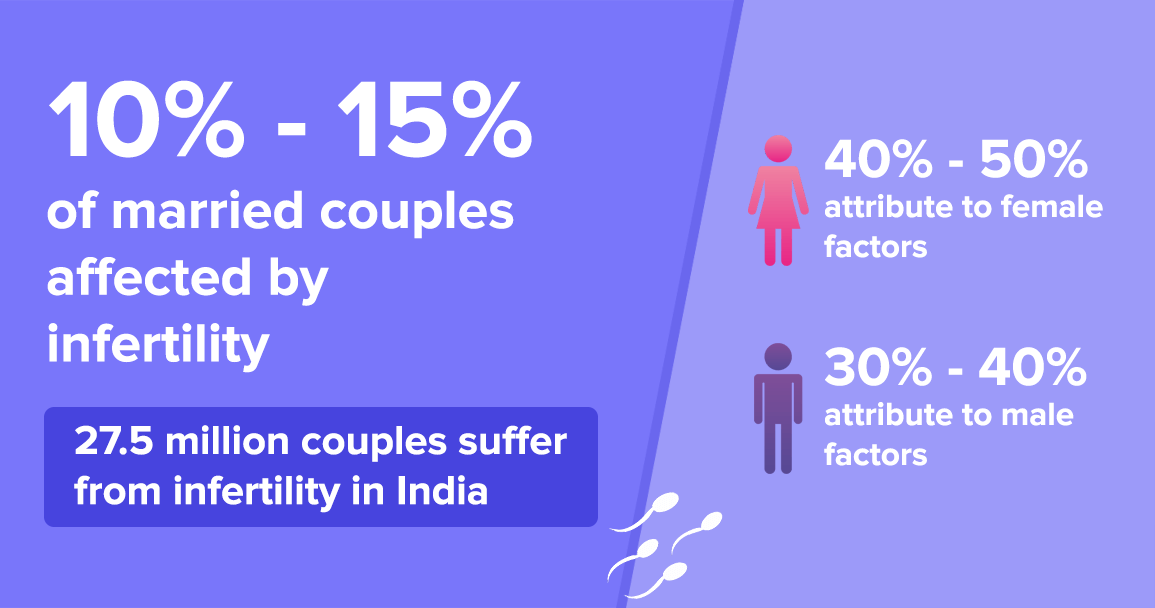
Male factor infertility contributes to 40% to 50% of all infertility cases in India, affecting approximately 7% of the male population. This burden is growing; research shows average sperm counts among Indian men have dropped from around 60 million/mL in the 1980s to approximately 20 million/mL in recent years.
Key Drivers and Context
-
Urban vs. Rural Burden: Infertility affects up to 15-20% of urban populations compared to 8-10% in rural areas, driven largely by lifestyle and environmental factors.
-
Rapid Decline: India experienced a 58.82% increase in male infertility prevalence from 1990 to 2021, with sperm count declines currently accelerating at about 2.6% per year.
-
Primary Causes: The crisis is fueled by prolonged stress, smoking, alcohol, poor dietary habits, and exposure to environmental pollution. Additionally, the non-prescription use of bodybuilding steroids is increasingly recognized as a major risk factor.
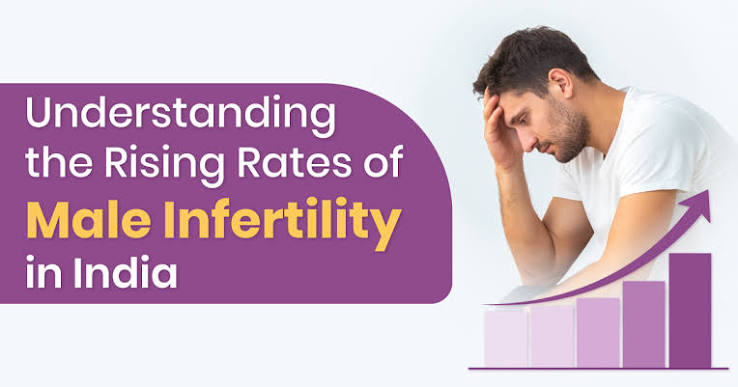

While there are several reasons why Indian Males are getting more prone to infertility – an increasing number of males, at least in urban areas, are getting married later in age and starting families even later.
Sperm quality and quantity may have started to decline by the time modern Indian males get on family way. In addition, changing life styles due to increasing incomes and urbanization are exposing males to environmental as well as lifestyle factors such as staying indoors with little access to sunlight, stressful work conditions, disruptions in food and sleep cycles and lack of effective physical activities. Lastly cool lifestyle factors such as drinking, smoking and accompanied obesity can also lead to male infertility.
Despite the high prevalence of male infertility in India, there is a glaring lack of awareness and understanding about the condition and its causes. Additionally, there is also a lack of access to quality healthcare and right advice in many parts of the country, which makes it even more difficult for couples struggling with infertility to get the right help that they need.
Causes of Male Infertility in India
Male infertility is a growing problem in India. While the exact cause of male infertility is difficult to fathom being a multi-factorial condition, there are several factors that contribute to it. These include:
Poor diet and nutrition: A continued lack of essential nutrients can lead to problems with sperm production and its quality
Environmental factors: Exposure to certain chemicals and pollutants can damage sperm and lead to infertility
Stress: Stress can impact hormone levels and interferes with sperm production
Smoking: Smoking cigarettes can reduce sperm count and quality
Alcohol use: Excessive alcohol consumption can also reduce sperm count and quality
Age: As men age, their fertility declines. This is due to changes in hormone levels and a decrease in sperm production
Male Infertility
There are several characteristic features of male infertility, such as oligospermia, i.e., low sperm concentration in semen; asthenozoospermia, i.e., an absolute lack of motility or a decreased motility of spermatozoa; and teratozoospermia, i.e., an insufficient number of spermatozoa of normal structure. Leaver et al point out that these disorders constitute over 90% of male infertility causes.
According to an extensive meta-analysis covering 185 studies, including over 40,000 men from developed countries, the number of spermatozoa, i.e., the main factor determining the quality of semen, decreased by 50%–60% over the period 1973–2011.
Effect of Diet on Male Fertility
Furthermore, recent research data point to the fact that diet is directly associated with semen quality and that overall lifestyle plays a crucial role in maintaining proper reproductive functions.
An unhealthy hypercaloric diet, excessive intake of poly un-saturated fats and trans-fatty acids, high glycaemic index foods and low nutritional density foods may be directly associated with increased oxidative stress, which constitutes the underlying cause of obesity, intestinal dysbiosis, type 2 diabetes and insulin resistance.
The above-mentioned metabolic disorders are associated with a deterioration of fertility mainly due to the generation of oxidative stress, regarded as one of the main factors leading to decreased sperm quality and a higher risk of infertility, as well as hormonal and immunological disorders.
Thus, an increase in white adipose tissue leads to an increase in the production of pro-inflammatory cytokines and reactive oxygen species, as well as the aromatase activity that is responsible for the conversion of testosterone to oestradiol. On the other hand, obese men with type 2 diabetes and insulin resistance are more likely to experience secondary hypogonadism and lower levels of sex hormone-binding protein (SHBG). Moreover, hyperglycaemia has a negative impact on sperm motility and the fertilization process.
Effect of Trans Fats and Poly-Unsaturated Fatty Acids
It was demonstrated that spermatogenesis is negatively affected by trans-fatty acids, as both polyunsaturated fatty acids (PUFA), as well as trans-fatty acids accumulate in the testes; however, unlike PUFA, the content of trans-fatty acids in semen and their consumption is associated with poorer sperm quality, as well as with lower sperm concentration in ejaculate.
Animal studies suggest that a diet rich in trans fats may be associated with reduced testosterone production and testicular mass, as well as the initiation of pathological changes in the testes. In fact, omega-6 fatty acids as available in Seed Oils, are also worth mentioning; in particular, if their supply is too high in relation to omega-3 fatty acids. They may also adversely affect fertility since they are likely to induce inflammation of a slight intensity, oxidative stress, dysfunction of the endothelium, and atherosclerosis. Your restaurant and office canteen meals are so rich in poly-unsaturated fatty acids as these meals are laden with Seed Oils.
A cross-sectional study conducted on a group of 209 healthy men indicates that the intake of trans and omega-6 fatty acids, as well as the reduction of omega-3 intake are associated with deterioration of testicular endocrine function, i.e., lower concentration levels of free testosterone and total testosterone, and with lower testicular volume.
So want to plan family – cut down outside food and shift to better quality Desi Ghee and Coconut Oil for cooking at home and shun all seed oils such as sunflower oil, soyabean oil, canola oil, rice bran oil, blended oils and mustard oil, even of kachhi ghaani. Kachhi Ghaani mustard oil, although is not processed, but still is high in poly-unsaturated fatty acids and must be avoided.
Source – All studies and publications mentioned in this article, are available upon request.