


Almost half of the world’s incidences of infertility are caused by males. Male infertility has a number of distinguishing characteristics, including oligospermia (low concentration of sperm in semen), asthenozoospermia (complete absence of motility or reduced spermatozoa motility), and teratozoospermia (insufficient numbers of spermatozoa with proper structure).
Male infertility can stem from various factors, such as smoking, urinary tract infections, varicocele, poor dietary habits and oxidative stress.
Males of reproductive age have poor dietary patterns due to the rise of unhealthy eating habits that include consuming high amounts of trans fats, sodium, and un-saturated fatty acids coupled with reduced intake of vegetables and fruits, which are rich sources of antioxidants and flavonoids.
Furthermore, an overabundance of foods high in trans fats and un-saturated fats can cause fatty acids and other dangerous lipophilic substances to build up in the environment of the testicles. This buildup may hinder spermatogenesis and lower Leydig cell testosterone synthesis.
Elevated oxidative stress serves as a primary driver behind conditions such as excessive increase in weight, dysbiosis of the gut, diabetes mellitus, and insulin resistance. This oxidative stress is often directly correlated with a hypercaloric diet that is unhealthy, overconsumption of trans and saturated fats, eating a diet heavy in carbohydrates and poor nutritional density.
The commencement of oxidative stress, a known contributor to diminished sperm quality, elevated infertility risks and the emergence of hormonal and immunological disorders, is intricately linked to the metabolic dysfunctions and declining fertility factors previously mentioned.
Role of Diet and Nutrition
Men experiencing infertility appear to derive significant benefits from diet and nutrition counselling. While the influence of diet is apparent in infertile patients who are either obese or underweight, many individuals with normal body weights still exhibit various nutritional abnormalities.
Furthermore, optimal responsiveness to infertility treatments and fertility outcomes seems to be more influenced by dietary composition at the hypothalamus level rather than body weight alone.
Furthermore, recent studies have established links between male factor infertility and inadequate intake of antioxidants, dietary deficiencies and unhealthy eating behaviors like skipping meals or following restrictive diets
Antioxidants for Male Infertility–What is the Evidence?
On the basis of review of 7 randomized studies involving the live birth rate following antioxidant supplementation, it was demonstrated that such supplementation in infertile men can improve the live birth rate.
However, the authors of the review emphasize that the studies are ambiguous and subject to a high risk of error. Thus, the need for more good quality research on efficacy, safety, and the recommended doses of antioxidants was also stressed in other research studies.
Usage of Minerals – Zinc
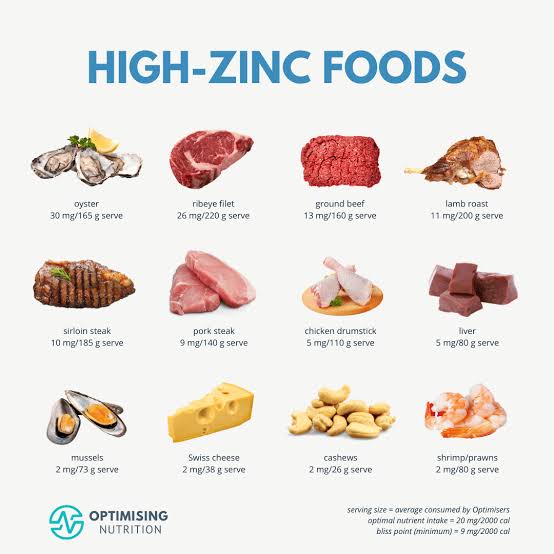
Zinc constitutes the basic element in the context of male fertility. Both seminal plasma and the prostate gland are characterized by its high content. The appropriate level of zinc in semen is essential for the production of spermatozoa, preservation of their correct morphology, sperm count and function, and thus, for the proper course of fertilization.
Moreover, testicular development and the proper course of steroidogenesis depends on zinc—the deficiency of this element is observed in patients with hypogonadism and underdeveloped secondary sexual traits, as well as in patients with oligospermia, astenozoospermia, and azoospermia.
Appropriate zinc concentrations in semen are associated with higher concentrations of spermatozoa in ejaculate, higher motility, viability, and increased antioxidant activity due to excessive amounts of superoxide anions by inhibiting nicotinamide adenine dinucleotide phosphate oxidase (NADPH oxidase).
Zinc in the testis is crucial for spermatogenesis and the physiology of spermatozoa and according to researchers, zinc is effective in protecting sperm from bacterial and chromosome damage. Due to strong antioxidant properties, an adequate amount of zinc in the semen plasma shows protective effects.
Trace Mineral – Selenium
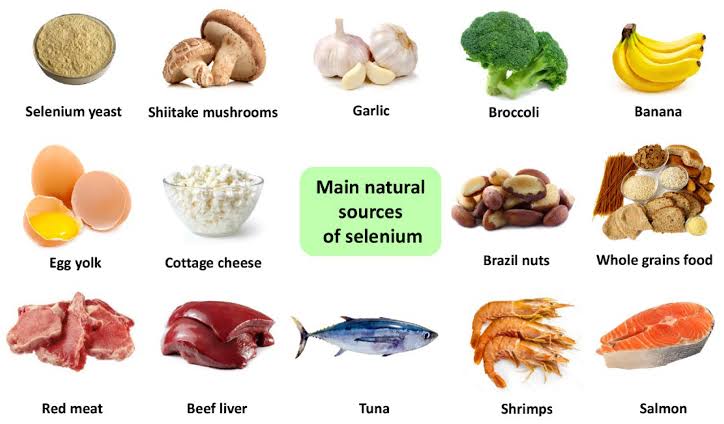
Another significant microelement is selenium, which is a component of glutathione peroxidase and thus increases the enzymatic antioxidant activity. In several studies, lower selenium levels in the semen of infertile men were found in comparison to the healthy population. However, both the deficiency and the excess of selenium may result in fertility disorders and abnormal semen parameters.
Moreover, selenium has a protective effect against oxidative stress on sperm DNA and simultaneously increases motility and sperm viability. In the course of normal spermatogenesis, apart from glutathione peroxidase, selenoprotein P is the key element. In fact, the greatest amount of selenium occurs in the testis in this form.
Other Antioxidants – Vitamin C and Vitamin E
In addition to selenium, vitamin C and tocopherol / Vit E also present antioxidant properties by means of free radical neutralization. Therefore, it is important for the diet to be rich in vegetables and fruits, which are the main sources of these elements.
Furthermore, apart from its antioxidant properties, tocopherol is likely to have a protective effect against heavy metal damage. Vegetables and fruits, especially raw green-leaved vegetables, are a source of folic acid, which is important in the course of spermatogenesis, particularly in the supplementation combined with zinc.
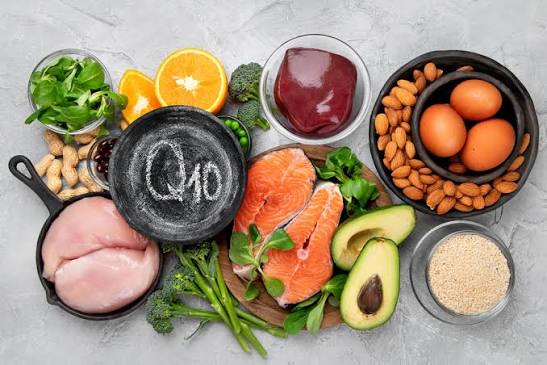
According to researchers, coenzyme Q10 may also be relevant in terms of semen quality, since in its reduced form, as ubiquinol and ubisemichinone radical, it has an antioxidant effect and is involved in all energy-dependent processes, including sperm motility.
Remarkably, ubiquinone is capable of regenerating other antioxidants, such as vitamin C and vitamin E. On the basis of the meta-analysis, patients receiving coenzyme Q10 showed a higher level of this substance in semen, as well as an increased concentration and better sperm motility compared to placebo. However, it is quite possible that coenzyme Q10 available diet alone is not sufficient and does not result in the improvement of semen quality parameters—thus, supplementation is highly recommended.
Lycopene, a powerful antioxidant belonging to the carotenoid family, seems to show promising results. It is indicated that lycopene reduces lipid peroxidation and DNA damage, strengthens the immune system, and increases the number and survival of sperm. Zaremba et al. demonstrated a positive correlation between the consumption of lycopene and normal sperm morphology.
Many beneficial properties are also attributed to N-acetyl-cysteine (NAC), which is involved in glutathione synthesis (GSH) and has the ability to capture ROS. The presence of NAC in the diet of infertile men has been associated with an increased number and motility of spermatozoa, as well as an increased number of normal structure spermatozoa following 3 months of supplementation. Moreover, a decrease in sperm DNA fragmentation and an increase in protamine levels, as well as a decrease in FSH and LH and an increase in testosterone levels in blood were observed with NAC supplementation.
To summarize – the most frequently needed and used antioxidants, both in monotherapy and combined supplementation, include vitamin E and Vitamin C, L-carnitine, coenzyme Q10, zinc, selenium, folic acid, and N-acetylcysteine.
Omega-3 Fatty Acids
Omega-3 fatty acids, which are precursors to eicosanoids, are also known to have anti-inflammatory and antioxidant properties. Compared to other body tissues and cells, testis and spermatozoa have a higher concentration of polyunsaturated fatty acids and effective fertilization depends on the lipid composition of the sperm membrane.
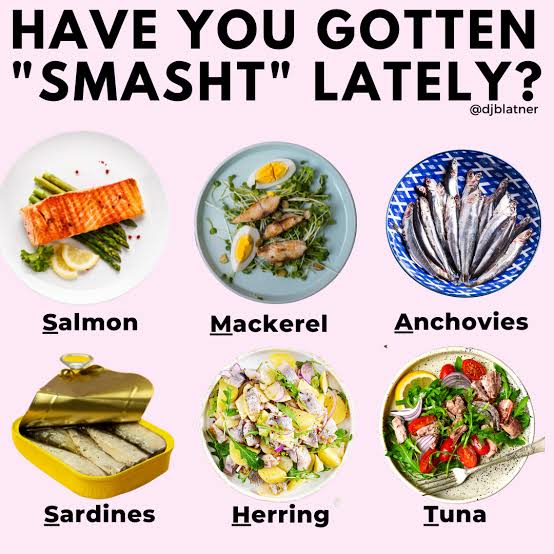
A meta-analysis of 16 randomized controlled trials showed a positive relationship between omega-3 supplementation and semen quality parameters in infertile men. Moreover, pro-healthy dietary models containing fish and seafood were also associated with better sperm quality in observational studies.
In addition, the consumption of 75 g of walnuts per day over a 12 week period was associated with a longer lifespan, motility, and sperm morphology. Interestingly, according to another study, the addition of 60 g of nut mixture to the Western diet, apart from improving the abovementioned parameters, also resulted in an increase in sperm count.
Macro-Minerals; Magnesium, Calcium, Copper, Manganese
It is also recommended to provide an adequate supply of magnesium and calcium. Magnesium constitutes a key element in the course of spermatogenesis and sperm motility, and also in the female reproductive tract.
Furthermore, calcium affects the motility, hyperactivation, and capitulation of sperm and ultimately, the acrosome reaction, leading to sperm penetration into the oocyte.
In addition, copper is also necessary for the proper functioning of sperm and manganese affects the motility of sperm and the fertilization process.
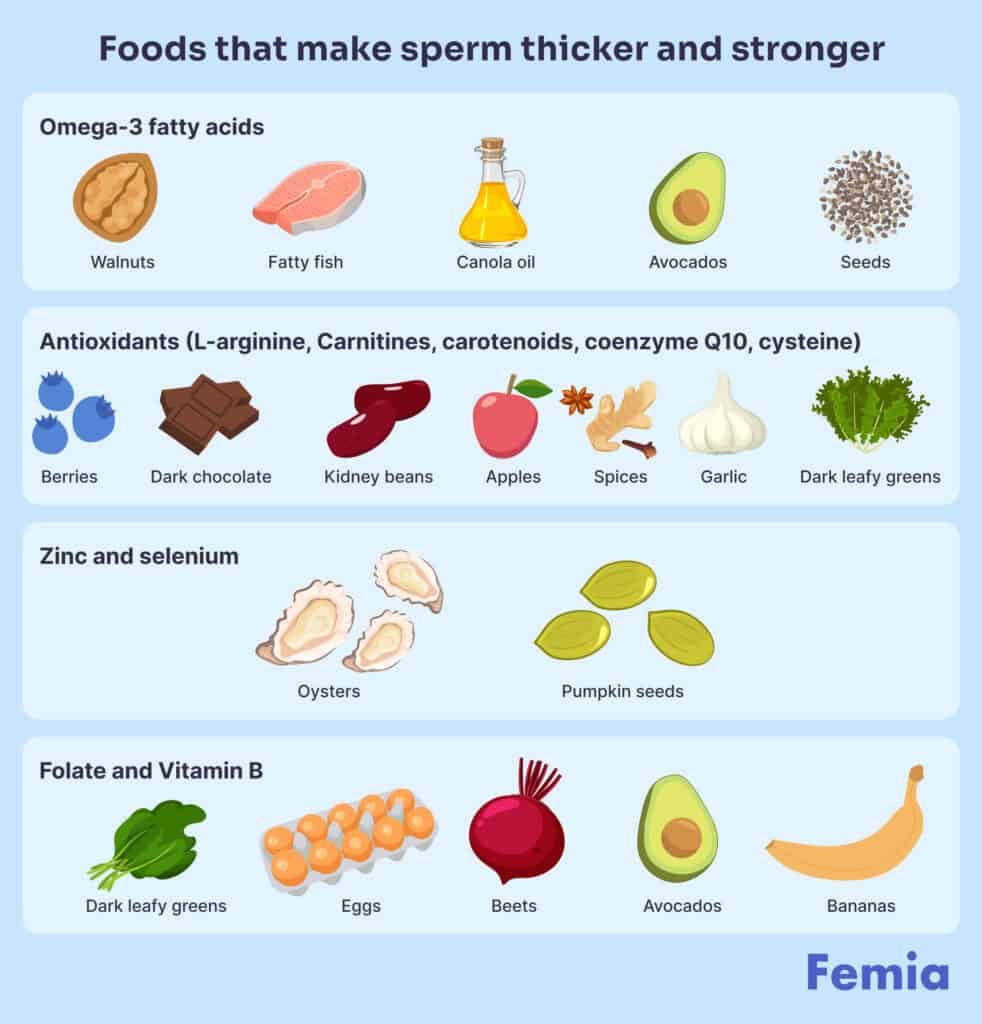
Nutrition thus can affect – both negatively and positively, the quality of human semen. The diet should include vegetables and fruit, fish and seafood, red meat, nuts, seeds, whole-grains and fibre-rich products, poultry, and dairy products.
On the other hand, low consumption of fruit and vegetables and products with an antioxidant potential, a high calorific intake, a diet rich in poly unsaturated fatty acids and trans fats, processed foods and low fish consumption, have a negative impact on the quality of semen, which may contribute to reduced male fertility.