



Prediabetes – a term, a condition and an opportunity, should you be looking for, when our pancreas can still be protected and we could avoid the dangers of diabetes, hopefully permanently
Part 5 of 10 Part Series on The Silent Death of Pancreas – For Part 4, Click Here
One Blood Test Could Change Your Future
Imagine visiting your doctor for a routine health check. Your report shows: Fasting Blood Sugar: 108 mg/dL. Your doctor says – “You don’t have diabetes—but your sugar is a little high.”
Many people ignore this advice. After all, they feel perfectly healthy. No overt signs except a purely harmless small skin tag, maybe in underarm area which may go unnoticed for a long period.
But what if that seemingly small change in blood sugar is actually your body’s first warning that your pancreas has been working harder than normal for years?
That stage is called prediabetes, and it represents one of the greatest, NOT TO BE MISSED, opportunities to prevent or delay Type 2 diabetes.
What Exactly Is Prediabetes?
Prediabetes is a metabolic condition in which blood glucose levels are higher than normal but not yet high enough to meet the criteria for diabetes.
Although it often causes no symptoms, important biological changes are already taking place inside human body. These include:
-
Increasing insulin resistance
-
Declining beta-cell function
-
Higher insulin production as compensation
-
Rising liver glucose output
-
Progressive metabolic stress
Prediabetes is therefore not a simple “borderline sugar” worth ignoring. It is an early stage of metabolic dysfunction that deserves immediate and full un-divided attention. After all its a matter of your life and nothing is more important and precious than being alive and kicking.
How Common Is Prediabetes in India?
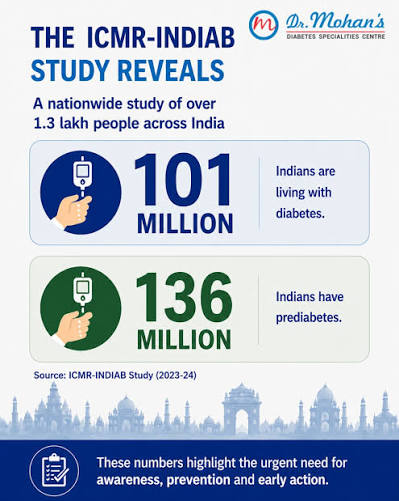
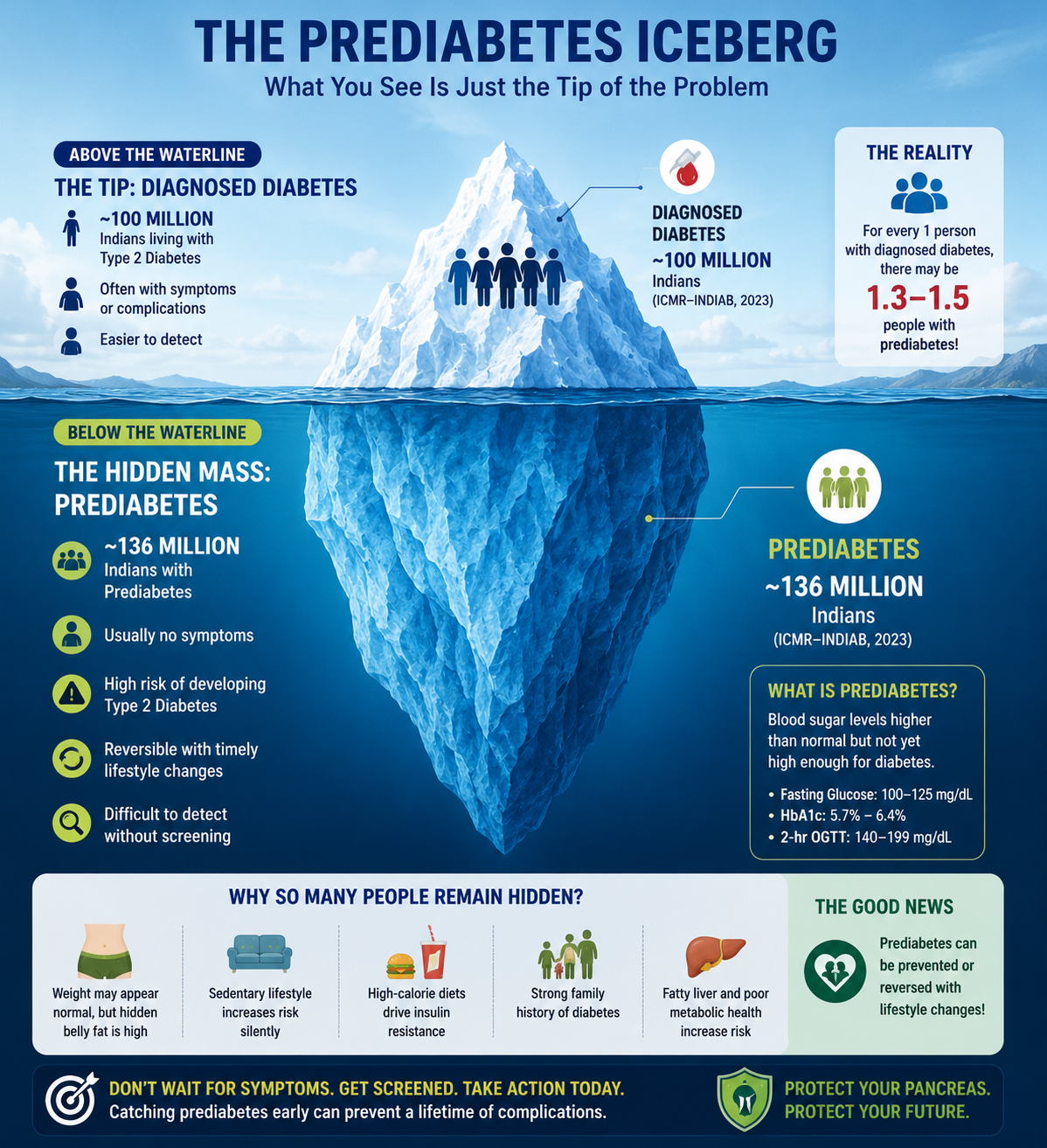
India is home to one of the largest populations of adults with prediabetes in the world. The ICMR–INDIAB Study (2023) estimated that approximately 136 million Indian adults have prediabetes.
That means roughly one in seven adults may already be in this intermediate stage. Many are unaware because they have no symptoms and have never been tested.
This large pool of individuals represents a major public health challenge—but also a major opportunity for prevention.
Why Prediabetes Develops
Prediabetes usually develops gradually.
Step 1: Insulin Resistance – Muscle, liver and fat cells become less responsive to insulin. The pancreas compensates by producing more insulin. Blood sugar remains normal.
Step 2: Hyperinsulinemia – Beta cells release larger amounts of insulin to maintain glucose control. Insulin levels may be elevated for years before blood sugar begins to rise.
Step 3: Beta-Cell Fatigue and Dysfunction – Over time, beta cells struggle to meet increasing demand. Blood sugar starts creeping upward. Prediabetes develops.
Step 4: Type 2 Diabetes – If insulin production can no longer compensate adequately for insulin resistance, blood glucose crosses the diagnostic threshold for diabetes.
Most People Feel Completely Normal
One of the greatest dangers of prediabetes is that it is often silent. Most people have: No pain, No fever, No obvious illness, No warning that their pancreas is under increasing strain.
Some people may notice subtle changes such as: Fatigue after meals, Increased hunger., Difficulty losing weight, Darkening of skin folds (acanthosis nigricans), Increasing waist size, Elevated triglycerides.
However, these signs are neither sensitive nor specific. The only reliable way to detect prediabetes is through appropriate testing.
How Is Prediabetes Diagnosed?
A Test which still is not mainstream and unfortunately is NOT mainstay of health screening in Indians is FASTING INSULIN Test:
Fasting Serum Insulin and NOT Fasting Glucose
-
A fasting insulin test measures how much insulin your pancreas produces after an overnight fast to keep blood sugar stable. High fasting insulin levels (typically >10 μIU/mL) often indicate insulin resistance, which develops years before prediabetes.
The Role of Fasting Insulin in Prediabetes – While fasting insulin isn’t the standard diagnostic tool for prediabetes, it acts as an early, un-missable warning sign. When your body’s cells become resistant to insulin, your pancreas compensates by working overtime to pump out more insulin.
Your blood sugar levels may still appear completely normal during this phase, but elevated fasting insulin suggests that the pancreas is struggling to keep up, putting you at higher risk for prediabetes and type 2 diabetes. TAKE HEED.
HbA1c
HbA1c reflects average blood glucose over approximately the previous 2–3 months. But our preferred and suggested test is Fasting Insluin:
-
Normal: Below 5.6%
-
Prediabetes: 5.7–6.4%
-
Diabetes: 6.5% or higher (using standardized laboratory methods)
Serum Triglyceride Levels
As our staated mission is to help Indians avoid pre-diabetes / Type 2 Diabetes and also “reverse” diabetes – another test suggested by us for Prediabetes is Serum Triglyceride Levels. No, we are not Crazy and No, we have not lost balance.
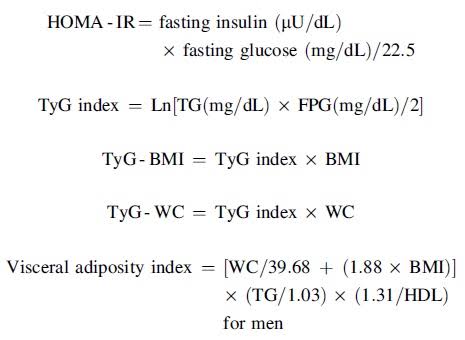
Elevated triglycerides are a key secondary marker for prediabetes, signaling insulin resistance long before glucose levels spike. When cells resist insulin, the liver converts excess sugar into triglycerides. A fasting level ≥ 150 mg/dL is considered high and a warning sign of metabolic dysfunction primarily pre-diabetes.
The Triglyceride-Glucose (TyG) Index – Because high triglycerides often precede traditional blood sugar spikes, researchers utilize the TyG Index as a highly sensitive, cost-effective screening tool for prediabetes.
Who Should Be Tested?
Experts recommend screening for adults with one or more risk factors, including:
-
Family history of Type 2 diabetes
-
Overweight or obesity (using South Asian BMI criteria where appropriate)
-
Increased waist circumference
-
History of gestational diabetes
-
High blood pressure
-
Polycystic ovary syndrome (PCOS)
-
Fatty liver disease
-
Sedentary lifestyle
-
Elevated triglycerides or low HDL cholesterol
Because Indians tend to develop diabetes earlier, many clinicians support screening at younger ages in high-risk individuals. And in our personal opinion, every Indian above 30 Years of age must consider Fasting Insulin, HbA1c and Serum Triglycerides Tests.
Can Prediabetes Be Reversed?
Yes as – Prediabetes is not guaranteed to progress to diabetes. In fact, evidence from several landmark trials shows that lifestyle intervention can substantially reduce the risk.
The Diabetes Prevention Program (DPP) – One of the most influential prevention studies found that an intensive lifestyle program—including weight loss, healthy eating and regular physical activity—reduced the incidence of Type 2 diabetes by about 58% compared with placebo over the study period. Among older participants, the reduction was even greater.
Finnish Diabetes Prevention Study – Researchers observed similar benefits, confirming that lifestyle modification is effective across different populations.
Indian Diabetes Prevention Programme (IDPP) – Research conducted in India demonstrated that lifestyle intervention significantly reduced progression from impaired glucose tolerance to Type 2 diabetes, highlighting that prevention strategies are effective in Indian populations as well.
Weight Loss Matters—But Even Modest Changes Help
Many people believe they must lose large amounts of weight to improve metabolic health. Research suggests otherwise. For individuals who are overweight or obese, even modest weight loss can improve insulin sensitivity and reduce the workload on beta cells.
The exact amount of weight loss needed varies between individuals, and goals should be individualized with healthcare professionals.
Exercise: A Powerful Tool
Physical activity improves insulin sensitivity by helping muscles absorb glucose more effectively. Benefits include: Lower fasting glucose, Improved HbA1c, Better insulin sensitivity, Reduced visceral fat, Improved cardiovascular health.
Both aerobic exercise and resistance training contribute to metabolic health.
Nutrition Can Reduce Metabolic Stress – A balanced dietary pattern rich in minimally processed foods can support healthy glucose regulation. Reducing frequent intakes of sugar-sweetened beverages and highly processed foods may help reduce excess calorie intake and support weight management.
No single food or a supplement can “cure” prediabetes, but overall dietary patterns matter.
Why Early Detection Is So Important
Prediabetes represents a period during which beta-cell function has declined but substantial metabolic reserve may still remain. Intervening during this stage offers a greater opportunity to preserve pancreatic function than waiting until diabetes develops.
The goal is not simply to lower a laboratory value—it is to protect long-term metabolic health, your health and nothing is as valuable as your life. If you are an Indian reading this – Take Control, Take Action Today, Not Tomorrow, Not Someday, Not One Fineday.
For other nationalities, no we are not at all racists, its only that Indians are at a relatively higher risk, as established above. You all are invited to join “Reverse / Prevent Diabetes Party” about to start in your own backyard, under your own lead 🙂
Key Takeaways
-
Prediabetes is a state of elevated blood glucose that has not yet reached the threshold for Type 2 diabetes.
-
Approximately 136 million Indian adults are estimated to have prediabetes.
-
Most people with prediabetes have no symptoms, making screening essential.
-
Prediabetes is characterized by insulin resistance and progressive beta-cell dysfunction.
-
Blood tests such as fasting plasma glucose, HbA1c and, in selected cases, the oral glucose tolerance test are used for diagnosis.
-
Lifestyle interventions—including healthy eating, regular physical activity, weight management, adequate sleep and stress reduction—can substantially reduce the risk of progression to Type 2 diabetes.
-
Early detection provides an opportunity to preserve metabolic health before more advanced beta-cell dysfunction develops.
Select References
-
American Diabetes Association. Standards of Care in Diabetes (latest edition).
-
Anjana RM, et al. ICMR–INDIAB Study. Lancet Diabetes & Endocrinology. 2023.
-
Knowler WC, et al. Reduction in the Incidence of Type 2 Diabetes with Lifestyle Intervention or Metformin. N Engl J Med. 2002.
-
Tuomilehto J, et al. Prevention of Type 2 Diabetes by Changes in Lifestyle. N Engl J Med. 2001.
-
Ramachandran A, et al. Indian Diabetes Prevention Programme (IDPP). Diabetologia. 2006.
-
International Diabetes Federation. IDF Diabetes Atlas, latest edition.
-
World Health Organization. Diabetes Fact Sheets.
-
Diabetes Prevention Program Research Group. Long-Term Follow-up Publications.