

Before we explore the nutritional and lifestyle approaches to manage PCOS / PMOS (new name of PCOS), lets first get an understanding of this condition affecting Indian women.
Prevalence in India
PCOS (Polycystic Ovary Syndrome) is a rapidly growing public health concern in India, affecting approximately 1 in 5 young Indian women. Various studies and publications peg the prevalence of PCOS / PMOS at rates ranging widely from 3.7% to 22.5% across various regions, with the most rigorous national data indicating weighted prevalences of 7.2% (NIH criteria) and 19.6% (Rotterdam criteria). That most of these studies and data are from 2023 and 2024, the extent of the issue could even be slightly higher.
Globally 170 Million women are affected worldwide with PCOS / PMOS.
What is PCOS – Why New Name, PMOS
Polyendocrine Metabolic Ovarian Syndrome (PMOS) is the new name for the condition previously known as Polycystic Ovary Syndrome (PCOS), which impacts more than 170 million women worldwide and almost 20% women in India as compared to barely 8% women in the world.
More than 50 patient and professional organizations, including the Endocrine Society, took part in the process to develop the new name.
PMOS is characterised by fluctuations in hormones, with impacts on weight, metabolic and mental health, skin, and the reproductive system. For too long, the name reduced a complex, long-term hormonal or endocrine disorder to a misunderstanding about ‘cysts’ and a focus on ovaries (PCOS). This contributed to missed diagnoses and inadequate treatment.
The old terminology (PCOS/PCOD) was often misleading because many patients do not develop actual cysts, while others with cysts do not have the syndrome. The updated name, PMOS, acknowledges the widespread effects of the condition on the endocrine and metabolic systems, such as insulin resistance and hormonal imbalances.
- Polyendocrine: Captures the widespread disruptions in multiple hormones (including insulin and androgens).
- Metabolic: Highlights the risks of insulin resistance, weight fluctuations and type 2 diabetes.
- Ovarian Syndrome: Keeps the acknowledgment of the condition’s impact on the ovaries, such as irregular periods or trouble ovulating.
Women with PMOS often go on to develop even more serious metabolic health problems, especially if they are overweight, including diabetes, heart disease, high blood pressure, sleep apnea, and even stroke, hence this new name which truly reflects the METABOLIC issues.
Managing PMOS
Now, the above symptoms and implications of PMOS are common results of this hormonal imbalance, but it’s not a definite sentence. Just because you are diagnosed with PMOS doesn’t mean you’re going to suffer from every problem that we just mentioned – because there are ways you can naturally manage PMOS using a carefully curated set of supplements, alongside an intentional diet and lifestyle.
7 Great PMOS Supplements (And Why)
There, currently are 2 approaches to manage PMOS / PCOS which include – usage of drugs such as metforminm, a mainstay of PMOS Treatment and second approach involves dietary and lifestyle management with the usage of dietary supplements apart from life style changes.
This review covers the most effective dietary supplements that are potentially a mainstay of dietary management of PCOS / PMOS.
-
Inositol
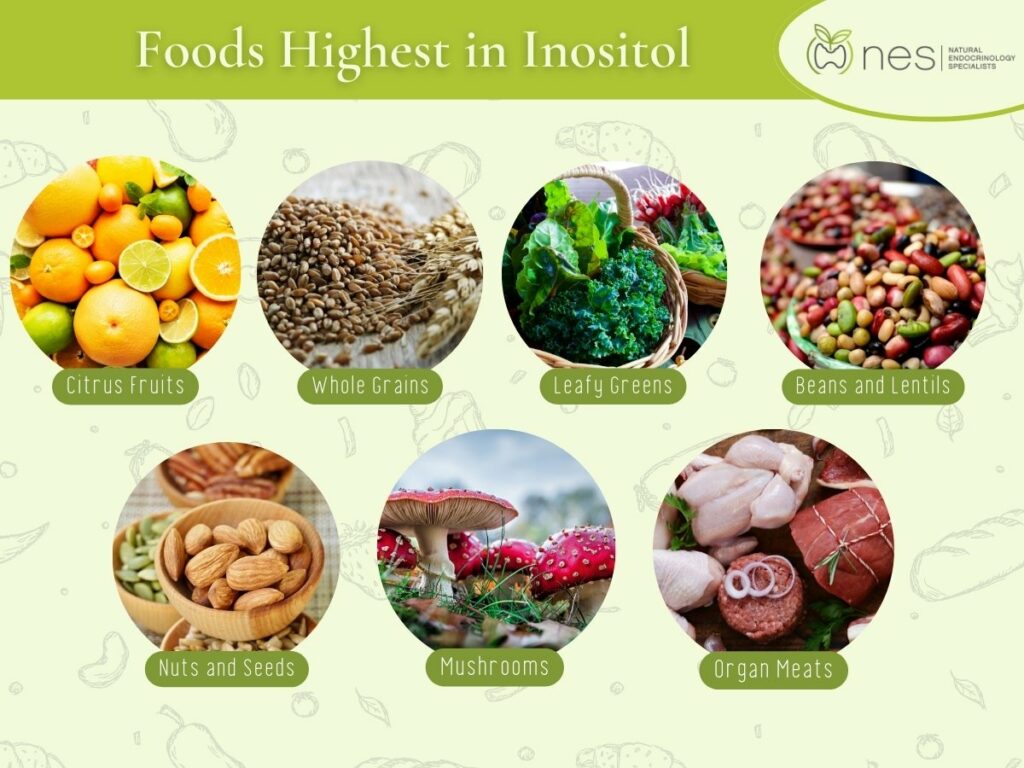
Inositols like myo- and d-chiro inositol (which should be combined in a 40:1 ratio), are a type of of carbocyclic sugar naturally found in foods like fruits, beans, nuts, animal foods, and grains, and they offer antioxidant properties. Interestingly, inositol used to be considered as a vitamin, but it has since been declassified as most people make enough of it internally. However, those affected with PCOS / PMOS cannot synthesize enough of these inositols and hence the need for supplementation.As we mentioned earlier, PMOS / PCOS is a metabolic condition, which is often aggravated by inflammation, insulin resistance, and/or increased androgen levels. Research suggests that inositols help lower high insulin levels and improve blood sugar levels in women with PMOS / PCOS.
In addition, a meta-analysis of studies evaluating the effects of MI and DCI inositols on women with PMOS /PCOS concluded that: 1) Myo-Inositol is helpful in lowering testosterone levels overall, and 2) it takes 6 months and longer to see the positive effects of inositols on androgen profiles and acne. So use these for long enough to experience positive benefits
2. Vitamin D
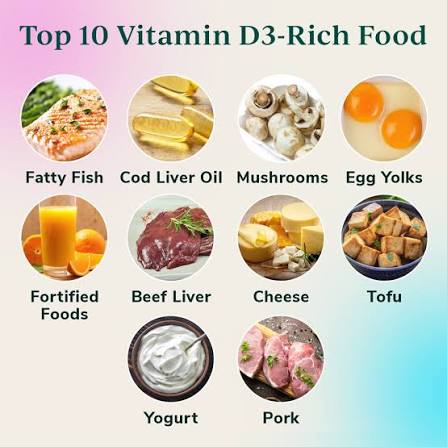
It’s not just women with PMOS /PCOS that have low levels of vitamin D – research indicates that around 40% of Indians are deficient in this essential vitamin.
Supplementation of vitamin D in women with PMOS /PCOS improves menstrual regularity (after 3 months of supplementation), while it also has been shown to improve fertility and pregnancy rates during assisted reproduction therapy.
Vitamin D supplementation has also been shown to improve mood and reduce likelihood of depression in women both with and without PMOS /PCOS. Start with anywhere between 2,000 to 4,000 IU per day till your blood serum levels of Vit D are in range of 50 – 60 ng/dl
3. B Complex
B vitamins such as vIT B12 and folate are among the most helpful in treating PCOS naturally. Specifically, they’re thought to help fight insulin resistance in those with PMOS /PCOS.
Apart from Vit B12 and Folic Acid, Vit B6 is a high-powered supplement that is purported to support mood regulation (it helps in the production of serotonin and dopamine, essential for feelings of happiness and contentment), while Vit B12 is also thought to aid in mood regulation (since this vitamin plays a key role in synthesizing and metabolizing serotonin).
B12 supplementation may be particularly important for women with PMOS /PCOS to help offset the effects of Metformin, which may reduce levels of B12 in the body.
4. Fish Oils/Omega 3
Omega 3 Fatty Acids are so powerful thanks to their anti-inflammatory properties, especially when it comes to treating inflammatory and autoimmune conditions. Placebo-controlled trials of fish oils through supplementation demonstrate that Omega 3s offer “significant benefit” over placebo, and often result in decreased disease activity and a lowered use of anti-inflammatory drugs.
In a recent meta-analysis of Omega 3s’ impact on women with PMOS /PCOS in particular, results indicate that these fatty acids are particularly helpful for fighting insulin resistance and treating high levels of total cholesterol (TC) in the blood.
Apart from supplementation with fish oils, you may get Omega-3s directly from food sources such as fish (particularly salmon, mackerel, and herring), nuts (walnuts, flaxseeds, and chia seeds) and plant oils (like flaxseed oil, and walnut oil), although fish are a better source of Omega-3s on account of the relatively higher bioavailability of Omega-3s from animal sources than from plant sources

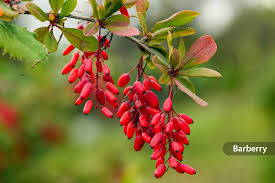
5. Berberine
Berberine is an alkaloid extracted from herbs, and it can be taken in liquid or capsule form. When it comes to naturally treating PMOS /PCOS, it’s particularly noteworthy for its role in improving insulin resistance through better insulin signal transduction.
For instance, in one small study of 89 women with PMOS /PCOS, compared to metformin or a placebo, berberine supplementation proved to be just as effective as metformin at lowering insulin and glucose levels, while also reducing levels of LDL (otherwise known as bad cholesterol), and increasing levels of HDL (otherwise known as good cholesterol).
But berberine doesn’t stop there. It’s also known to reduce the secretion of the hormone leptin, which works to stimulate appetite. As such, losing weight may become a lot easier through berberine supplementation, as cravings are reduced, and the enzyme lipoprotein lipase, (responsible for fat storage) is inhibited at the same time.
Finally, apart from the positive effects on improving the metabolic implications of PMOS /PCOS, berberine may also improve fertility in women suffering from this condition. In one pilot study, ovulation improved by 25% after 4 months of supplementing with berberine, while an another study indicated that women with PMOS /PCOS taking berberine had higher pregnancy rates (compared to metformin or placebo) and fewer side effects when taking berberine 3 months prior to their fertility treatment.
6. Magnesium
According to recent research, 70-95% of obese individuals diagnosed with PMOS /PCOS have insulin resistance, while 30-75% of lean individuals with PMOS /PCOS are found to also have insulin resistance. So why is this symptom in particular such a big deal? And how does it impact your PMOS /PCOS?
Well, insulin resistance leads to Type 2 Diabetes (which comes with a plethora of other health implications affecting the circulatory, nervous, and immune systems), while recent data indicates that insulin resistance is not only a symptom of PMOS /PCOS, but that it also may be a driver of the hormonal imbalance.
Enter Magnesium
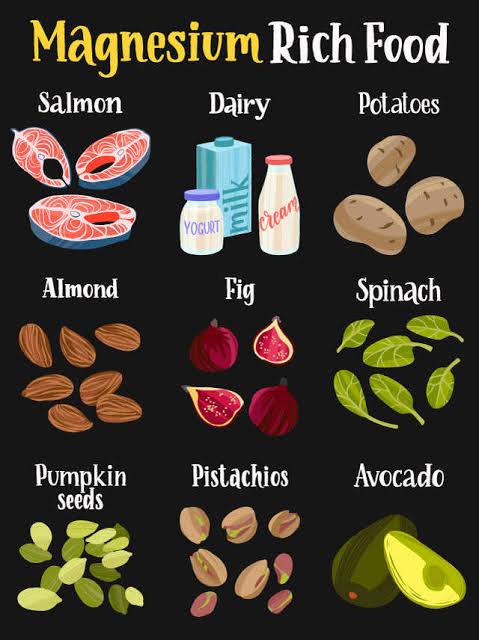
Magnesium is a cofactor of many enzymes involved in glucose metabolism, and in those with Type 2 Diabetes, there appears to be a much lower intracellular magnesium concentration. In other words, there are deficient levels of magnesium in insulin-resistant patients, and it’s suspected that low levels of magnesium are spurring insulin resistance and heart disease.
Some forms of magnesium are better processed by our bodies than others. Opt for magnesium citrate or magnesium glycinate, and avoid magnesium oxide (which is insoluble in water and thus has low absorption rates in the human body).
7. Zinc
Zinc is a critical micro element that is responsible for the regulation of cell growth, hormone release, reproduction, and immunological response. It appears that women with PMOS /PCOS may have lower levels of zinc than women without it, and because of this, women with PMOS /PCOS may see impaired hormonal, lipid, and glucose metabolism, in addition to “increased concentrations of oxidative stress biomarkers”.
In a review of 36 randomized, controlled studies on the effect of zinc supplementation on reproductive symptom disorders (such as PMOS /PCOS), it was concluded that zinc has a positive effect on insulin resistance and lipid balance. This means that it helps fight against insulin resistance. As an added bonus, when dosed before and during each menstrual cycle, it may also reduce the intensity of pain associated with menstruation – which means if you suffer from PMOS /PCOS pain, Zinc supplementation could surely help.
A few other studies have shown that zinc may help fight acne, reduce inflammation, and prevent hair loss, as well as protect against chronic conditions like heart disease and diabetes.
Like magnesium, the form of Zinc matters. For the best absorption rates, opt for zinc glycinate, zinc picolinate, zinc acetate and zinc glycerate, and avoid zinc sulfate since it has a low absorption rate.
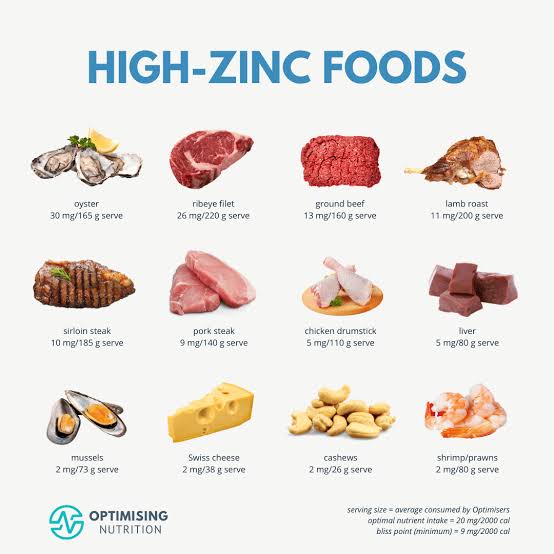

Since all the above mentioned Vitamins and minerals are readily and effectively available from varied food sources, supplementation should ideally be considered only if blood serum levels of these essentials are too low to be managed from food sources alone. Good diet coupled wih Good Lifestyle are the cornerstones of a PMOS free life.