


A 2026 scientific review says vegetarian diet quality matters far more than previously beleived in NAFLD / MASLD Cases.
For years, vegetarian diets have been promoted as one of the healthiest eating patterns for preventing obesity, diabetes and fatty liver disease. Not any more as per new research. While many vegetarian diets are indeed healthy, a new scientific review published in Frontiers in Nutrition (2026) raises an important point.
Simply being vegetarian does not automatically protect your liver in cases such as NAFLD/MASLD.
The researchers conclude that the quality of a vegetarian diet— and not the absence of animal proteins —is what determines whether a diet supports or harms liver health.
Copy of the Published Review – New Research Challenges a Common Belief: Not Every Vegetarian Diet Protects Liver
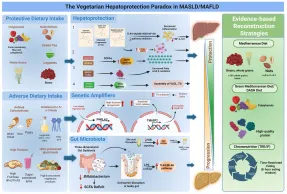

What does this mean for Indians
For millions of Indians, where vegetarianism is common, this finding has important implications and may nudge them to re-look at their “pure vegetarian” diet. More than 255 of Indians have NAFLD/MASLD as per various published studies.
Historically described as non-alcoholic fatty liver disease (NAFLD), it was renamed as metabolic dysfunction-associated fatty liver disease (MAFLD) in 2020 and subsequently metabolic dysfunction-associated steatotic liver disease (MASLD) in 2023. Furthermore, cardiovascular disease is currently the leading cause of mortality in MASLD/MAFLD patients, accounting for approximately 40–50% of deaths.
NAFLD / MASLD is a Super Silent Killer
MASLD/MAFLD is viewed as a “silent epidemic” characterized by severe difficulties in timely detection and prompt treatment. Currently, approximately 60% of patients have not shown any symptoms during their disease course.
One-third of them have already suffered from significant liver fibrosis. Because diagnostic facilities are limited, the missed diagnosis rate exceeds 90%.
The current MASLD/MAFLD prevention and control system focuses on improving metabolism via the scientific dietary guidance of nutrition adjustment and reduced caloric intake. Frequent exercise and dietary modification are the primary basic strategies recommended by leading international authorities.
However, some patients who have been strict vegetarians may still develop progressive MASLD/MAFLD. They cannot treat their disease by simply following a healthy vegetarian diet. A number of patients still hold the misconception that only the complete avoidance of meat can reduce their risk of developing liver problems.
Biggest Finding: Vegetarian Diet Does Not Always Mean Healthy
One of the strongest conclusions from the review is remarkably simple. There is no single “vegetarian diet.”
Researchers identified several very different vegetarian eating patterns. Some reduce the risk of fatty liver. Others may actually increase it.
What Makes a Vegetarian Diet Unhealthy?
According to the review, four dietary patterns deserve attention.
1. Too Many Refined Carbohydrates – Many vegetarian meals depend heavily on:
-
polished white rice
-
refined wheat flour
-
bread
-
biscuits
-
sweets
-
bakery products
These foods can rapidly increase blood glucose and insulin levels. Over time, excess carbohydrate may be converted into fat inside the liver.
2. Too Much Sugar, fruits and Fruit Juice
The review highlights diets high in fructose, particularly from
-
sugar-sweetened beverages
-
packaged or even fresh fruit juices
-
desserts
-
added sugars
Some Whole fruits are different and good for health.
Researchers specifically note that some whole fruits remain beneficial because fibre slows sugar absorption and provides protective plant compounds.
3. Not Enough High-Quality Protein
One of the review’s important observations is that some vegetarian diets contain inadequate amounts of high-quality protein. This has been a lingering pain-point for Indian vegetarians and requires an intelligent, pragmatic approach of health over faith.
Protein helps maintain muscle, supports metabolism and contributes to healthy liver function. Vegetarians should include combinations such as:
-
dairy
-
curd
-
paneer
-
nuts
-
seeds
to improve protein quality
4. Heavy Dependence on Ultra-Processed Vegetarian Foods
Many foods marketed as vegetarian are still highly processed. Examples include
-
instant noodles
-
packaged snacks
-
breakfast cereals
-
refined meat substitutes
-
sugar-rich energy bars
The review concludes that these foods do not provide the same liver benefits as minimally processed plant foods.
Why Fibre Makes Such a Difference
Researchers emphasize that whole foods protect the liver in several ways. Dietary fibre helps:
-
slow sugar absorption
-
improve gut bacteria
-
reduce blood sugar spikes
-
increase fullness
-
support better metabolic health
These benefits are largely absent in diets dominated by refined carbohydrates.
The Mediterranean Diet Still Has the Strongest Evidence
Interestingly, the review concludes that several dietary patterns currently have stronger evidence for protecting the liver. These include
-
Mediterranean diet
-
Green Mediterranean diet
-
DASH diet
-
High-quality Dairy (cheese, paneer, curd) and whole-food plant-based diets
All of these focus on food quality rather than whether animal foods are completely excluded.
What Should “Indian Vegetarians” Do?
The review suggestes tinkering with vegetarianism a wee bit. As it recommends improving its quality. Simple changes include:
-
Eat more whole grains instead of refined grains
-
Include adequate good quality protein at every meal from dairy products such as cheese, paneer, curd, eggs if possible etc
-
Eat two to three servings of whole fruits daily instead of fruit juices
-
Reduce sweets, sugary drinks and desserts.
-
Limit ultra-processed vegetarian foods.
-
Increase vegetables, legumes, nuts and seeds.
-
Maintain a healthier balance of dietary fats, including sources of good quality omega-3 fats – which are largely from “oily fish”