


Magnesium
Magnesium is an essential mineral required for over 300 biochemical reactions, including muscle function, nerve signaling, and energy production. In India, it is an emerging public health concern, with some estimates suggesting that over 60% of urban adults are deficient. Early symptoms are often subtle and commonly mistaken for modern-day stress.
Why Deficiency is Widespread in India
Magnesium deficiency is highly prevalent in the Indian population for several reasons:
- Dietary Shifts: Rapid urbanization has led to a reduction in the consumption of traditional whole grains, millets, and leafy greens, replacing them with refined and ultra-processed foods that lack magnesium
- Soil Depletion: Intensive farming practices and the lack of crop rotation have led to a decline in the mineral density of Indian agricultural soils
- Lifestyle Factors: Chronic stress, high sugar intake, and frequent consumption of heavy, fried, or sugary foods deplete magnesium faster than diet alone can replace it
- Sweat Loss: Regular exercise or engaging in manual labor in hot, humid Indian climates leads to significant mineral loss through sweat
- Medication Use: The widespread, long-term use of antacids and proton pump inhibitors (PPIs) for chronic acidity significantly decreases magnesium absorption
Magnesium – How Magnesium Supplementation May SIGNIFICANTLY Help in CVDs
Magnesium is a plentiful micronutrient and cation, and it activates enzymes, aids in the synthesis of energy, and controls the levels of calcium and associated biomarkers, among other vital functions in the body.
Low magnesium levels have been linked to CVD through a variety of physiological processes, including high blood sugar levels, chronic inflammation, hypertension, abnormal tone of the vessels, and circulation to the peripheral tissues.
In various settings, total magnesium in the serum has long been used to evaluate magnesium levels. In multiple studies, low levels of magnesium have been linked to a higher risk of various health problems, such as a greater risk of diabetes, hypertension, and CVD.
Given the high prevalence of CVDs and their significant public health impact, investigating the link between magnesium deficiency and cardiovascular risk becomes imperative.
Role of Magnesium in cardiovascular health
Magnesium improves the function of the cardiovascular system by acting on membrane ion flow pumps, encouraging endothelium-dependent blood vessel dilatation, reducing blood pressure, reducing inflammation, and boosting insulin and glucose breakdown.
In addition, magnesium contains antiplatelet and anticoagulant characteristics, is a natural inhibitor of calcium, and is a necessary cofactor in cellular oxidation reactions.
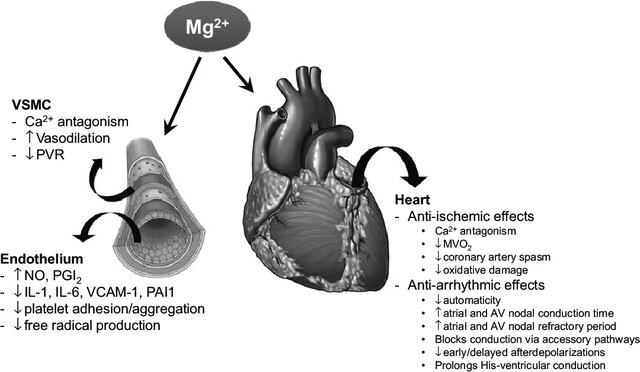

Role of Magnesium in Arterial Plaque Reduction
How is magnesium so effective for heart disease? Countless reasons, really, but a few of the most important:
-
Anti-inflammatory properties. Magnesium has been shown to alleviate various inflammatory conditions, and heart disease is no exception. The entire plaque formation process is an active construction by the immune system, not just a passive building up of lipids
-
Metabolism – Magnesium is probably the single most important nutrient for the mitochondria, being involved in countless reactions in energy metabolism and needed for ATP synthesis. Mitochondrial function is needed to stop the inflammatory process and facilitate the export of cholesterol from the arteries
-
Antioxidant properties – The core initiating event in atherosclerosis is oxidative stress that damages lipoproteins. Magnesium is critical in maintaining antioxidant defenses
-
Nitric Oxide synthesis / endothelial function – Magnesium is incredibly important for this layer of cells in the arteries. When endothelial cells do not function correctly, they become more permeable to cholesterol entering the arteries
-
Lipid lowering – Magnesium also has shown the ability to directly lower cholesterol and other lipids, through various mechanisms. Without enough magnesium, cholesterol cannot be cleared from the blood, metabolized or have its synthesis shut off properly
Magnesium Helps Lower Arterial Plaque – Evidence
-
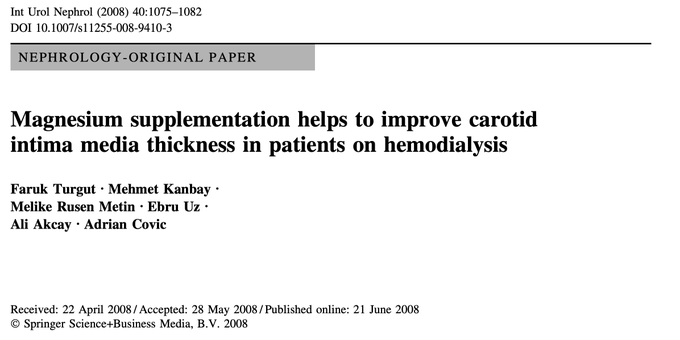
This first study came out in 2008 – people were magnesium citrate, just under 100 mg elemental magnesium per day
-
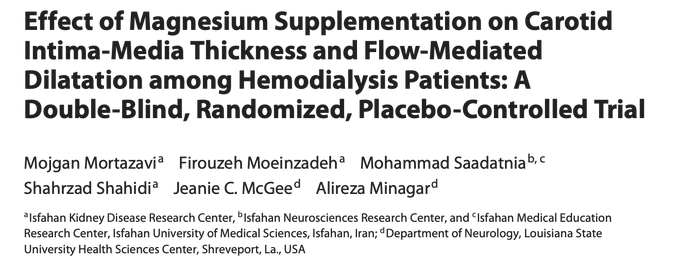
The second study came out in 2013. This time patients were given 440 mg of magnesium oxide 3x per week for 6 months. Magnesium oxide is a terrible form of magnesium, with as little as 4% of it getting absorbed in the gut but still it ended up producing decent benefits in plaques
-
Third Study – Hyperlinked
Magnesium Intake Is Inversely Associated With Coronary Artery Calcification
The Framingham Heart Study
Magnesium supplementation is inversely associated with arterial calcification, with studies linking a 50 mg/day increase to a 22% lower risk of coronary artery calcification. By acting as a natural calcium channel blocker, magnesium inhibits plaque formation, reduces oxidized LDL, and protects vascular tissue from calcification
Best Magnesium Supplement
The most effective forms and their primary uses include:
-
-
Magnesium Glycinate (Bisglycinate): Highly absorbable and gentle on the stomach. Ideal for stress, anxiety, and improving sleep quality
-
Magnesium L-Threonate: Able to cross the blood-brain barrier. Best for supporting cognitive function, memory enhancement, and focus
-
Magnesium Citrate: Absorbs easily and is often recommended for muscle cramps. Its mild laxative effect makes it highly effective for relieving constipation
-
Magnesium Malate: Combines magnesium with malic acid. Best for boosting energy levels and relieving physical muscle pain or chronic fatigue
-
Magnesium Oxide: Low absorption rate, but highly effective and inexpensive for short-term digestive relief or treating heartburn
-