

This is our concluding Part 3 of the Series on Heme vs Non-Heme Iron for Indians. For Part 1 and Part 2, pls click the respective hyperlinks.
The debate surrounding heme and non-heme iron often focuses solely on iron content in food and to some extent on iron absorption percentages.
However, iron metabolism is far more dynamic. The body’s iron requirements change dramatically from infancy to old age, and the efficiency with which dietary iron is absorbed depends not only on the type of iron consumed but also on physiological demand, hormonal regulation, inflammation, genetics, dietary patterns and underlying disease.
For India, where dietary habits vary widely and vegetarian diets are common, understanding who benefits most from heme iron, who can thrive on well-planned plant-based diets and who MUST have iron supplementation and particularly when, becomes immensely essential.
Recent advances in iron biology—including the discovery of hepcidin, improved biomarkers of iron status, and newer oral iron formulations—have transformed our understanding of iron nutrition. Modern evidence shows that successful prevention and treatment of iron deficiency depend on much more than simply increasing iron intake.
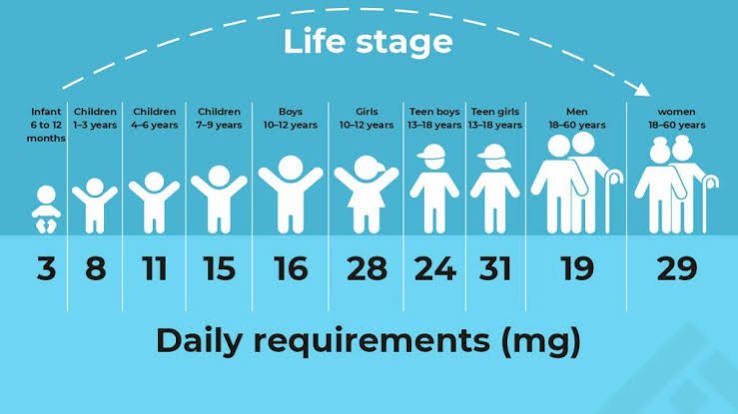
Iron Requirements Across Different Life Stages
Iron needs are not constant throughout life. Growth, menstruation, pregnancy, ageing and disease all influence daily iron requirements.
Estimated Physiological Iron Needs
| Population Group | Iron Requirement | Major Challenge |
|---|---|---|
| Infants (6–24 months) | Very High | Rapid growth, depleted birth stores |
| School-age children | Moderate | Growth and dietary quality |
| Adolescents | High | Growth spurt and menstruation |
| Adult men | Moderate | Low physiological losses |
| Women of reproductive age | Very High | Menstrual blood loss |
| Pregnancy | Extremely High | Placental and fetal development |
| Elderly | Variable | Reduced absorption, chronic disease |
The body’s adaptive ability to increase iron absorption helps meet many of these demands. However, when dietary quality is poor or inflammation is present, this adaptation becomes insufficient.
Infancy: When Iron Deficiency Can Affect Brain Development
The first two years of life represent one of the most critical periods for iron nutrition. Iron is indispensable for:
-
Myelination of nerve fibers
-
Hippocampal development
-
Neurotransmitter synthesis
-
Learning and memory
-
Cognitive development
-
Motor coordination
Infants are born with iron stores accumulated during pregnancy, but these stores begin to decline around six months of age. Breast milk contains relatively small amounts of iron, although its bioavailability is exceptionally high.
Once complementary feeding begins, the choice of iron-rich foods becomes crucial. Heme Iron Advantages Small quantities of:
-
Chicken
-
Fish
-
Egg yolk
-
Meat puree
provide highly bioavailable iron. For vegetarian infants, careful meal planning becomes essential because cereal-based complementary foods often contain high phytate concentrations that inhibit iron absorption.
Adolescence: India’s Highest-Risk Group
Adolescence is characterized by one of the fastest growth rates after infancy. Iron requirements increase because of:
-
Expansion of blood volume
-
Increase in muscle mass
-
Rapid skeletal growth
For girls, menstruation introduces an additional source of iron loss.India continues to report one of the world’s highest burdens of anemia among adolescent girls. Several factors contribute:
-
Vegetarian diets
-
Meal skipping
-
Low fruit intake
-
Tea consumption
-
Menstrual blood loss
-
Recurrent infections
-
Limited dietary diversity
Improving non-heme iron absorption through vitamin C-rich foods and appropriate meal timing may substantially improve iron status without major dietary changes.
Pregnancy: The Greatest Physiological Demand for Iron
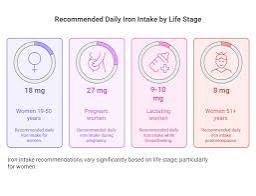
Pregnancy represents the period of highest iron requirement during the human lifespan. Approximately 1,000 mg of additional iron is required during pregnancy for:
-
Expansion of maternal blood volume
-
Placental development
-
Fetal growth
-
Blood loss during delivery
Because very few women begin pregnancy with optimal iron stores, iron deficiency frequently develops during the second and third trimesters. Consequences include:
Maternal – Fatigue, Reduced work capacity, Increased infection risk and Postpartum anemia
Fetal– Low birth weight, Premature birth, Impaired neurodevelopment and Reduced neonatal iron stores
Current international and Indian guidelines recommend routine iron supplementation during pregnancy because dietary intake alone rarely meets physiological requirements.
Vegetarian Diets: Can Indians Obtain Enough Iron?
This question has generated considerable scientific debate. The answer is yes—but with very and many important conditions. Large cohort studies show that well-planned vegetarian diets can maintain adequate iron status. However,
-
Ferritin concentrations are generally lower
-
Iron stores are smaller
-
Iron deficiency is more common in women
This does not necessarily mean vegetarians are destined to become anemic. Instead, they must compensate for lower bioavailability by:
-
Consuming more total iron
-
Maximizing vitamin C intake
-
Using fermentation
-
Sprouting legumes
-
Avoiding tea with meals
-
Ensuring adequate protein intake
The emphasis shifts from quantity to quality of absorption.
New Generation Iron Supplements
Traditional ferrous sulfate remains the most widely prescribed oral iron supplement. However, gastrointestinal side effects frequently reduce adherence coupled with low and poor bioavaialbility.
Recent pharmaceutical advances have introduced formulations with improved tolerability.
Ferrous Bisglycinate
-
Higher bioavailability
-
Better gastrointestinal tolerance
-
Lower elemental iron requirement
Liposomal Iron – Iron enclosed within phospholipid vesicles. Potential advantages:
-
Reduced gastrointestinal irritation
-
Improved absorption
-
Better patient compliance
Ferric Maltol – Developed to improve iron delivery while minimizing gastrointestinal adverse effects. Increasingly used in patients with inflammatory bowel disease.
Sucrosomial® Iron – A novel formulation in which ferric pyrophosphate is encapsulated within a phospholipid and sucrester matrix. Emerging evidence suggests favorable absorption even under inflammatory conditions.
Heme Iron Polypeptide – Derived from purified hemoglobin. Advantages include:
-
High bioavailability
-
Reduced influence of dietary inhibitors
Heme vs Non-Heme Iron: Final Scientific Comparison
| Characteristic | Heme Iron | Non-Heme Iron |
|---|---|---|
| Main source | Animal foods | Plant foods |
| Typical absorption | 20–35% | 2–8% |
| Effect of phytates | NIL | Major |
| Effect of tea | NIL | Highly Significant |
| Enhanced by Vitamin C | Little | Markedly |
| Dependence on stomach acid | Low | Very High |
| Suitable for vegetarians | No | Yes – but with host of challenges |
| Major source in India | Minor | Major |
| Supplement availability | Growing rapidly | Extensive |
| Risk of deficiency | Much Lower | Very High – hence India has very high Iron Deficiency Anaemia |
Practical Take-Home Messages for Indians
Current scientific evidence supports several key conclusions:
-
Heme iron is consistently absorbed much more efficiently than non-heme iron because it follows a specialized intestinal uptake pathway and is relatively unaffected by common dietary inhibitors
-
Heme Iron sources shuch as Goat Meat and Lamb Meat are not only sources of high conc. of highly bioavailable Iron but also deliver high quality protein and a number of highly bio-available vitamins and minerals including Trace Minerals, unlike Vegetarian sources such as Spinach
-
Non-heme iron currently and sadly provides the majority of dietary iron for most Indians, thus making strategies to improve its bioavailability or using better quality supplements is essential for preventing iron deficiency
-
Iron nutrition should be viewed through the lens of absorption and bioavailability only, not simply from source and intake point of view. A meal rich in iron may still contribute very little if inhibitors such as phytates or tea substantially reduce absorption
-
Pregnancy, infancy, adolescence and women of reproductive age represent the periods of greatest physiological vulnerability to iron deficiency and require targeted nutritional strategies, preferrably and no non-sensically heme iron
-
Newer oral iron formulations—including ferrous bisglycinate, liposomal iron, ferric maltol and sucrosomial® iron—offer much more promising options for Indians unlike the currently, extensively used cheaper ferrous salts
Conclusion
The comparison between heme and non-heme iron is not a competition between animal and plant foods; rather, it is an illustration of how human physiology determines nutrient availability to human body. For India, where non-heme iron forms the cornerstone of dietary intake, improving bioavailability of Iron and a shift to Heme Iron is likely to have a greater public health impact than simply increasing total iron consumption or using cheaper ferrous supplements. Whether we like it or not.
As research advances, the future of iron nutrition moving beyond counting milligrams, toward understanding the complex interplay between diet, inflammation, gut health, hepcidin, genetics and individual physiology.
By combining evidence-based dietary practices with targeted Heme Iron supplementation when needed, India can make meaningful progress in reducing the burden of iron deficiency and anemia across all stages of life.
Select Scientific References
-
Hallberg L, Hulthén L. Prediction of dietary iron absorption: an algorithm for calculating absorption and bioavailability of dietary iron. Am J Clin Nutr. 2000
-
Hurrell R, Egli I. Iron bioavailability and dietary reference values. Am J Clin Nutr. 2010
-
Ganz T, Nemeth E. Hepcidin and disorders of iron metabolism. Annu Rev Med. 2011
-
Camaschella C. Iron deficiency. N Engl J Med. 2015
-
Zimmermann MB, Hurrell RF. Nutritional iron deficiency. Lancet. 2007
-
World Health Organization. Guideline on use of ferritin concentrations to assess iron status. 2020
-
Indian Council of Medical Research – National Institute of Nutrition. Nutrient Requirements for Indians. 2024