
Health Concerns with Indian Cooking Oils: The Oil Is Traditional. The Quantity Is Not.

Mustard oil and sesame oil have been used in India / Indus Valley Civilization for centuries along with Butter and Ghee. So fats, staurated fats are not and were not a problem. Our Fat Problem started last last 60 years as India’s edible oil consumption rose more than six-fold since 1960s.

The scientific concern is not that traditional oils suddenly became poisonous. The problem is how much oil modern India now consumes, how often foods are fried and reheated and how dramatically the Indian diet has changed.

  • Mustard oil is traditional.

  • Sesame oil is traditional.

  • Ghee is super traditional.

Did earlier generations of Indians consume edible oil in the SAME quantities that modern India does today?

The answer, based on government data, is clearly no. India consumed 3.2 kg of edible oil per person in 1960-61.

A 2024 report from NITI Aayog provides one of the clearest pictures of India’s changing edible oil consumption. India’s Per-person, Per-annum edible oil consumption increased from:

  • 3.2 kg a year in 1960-61

  • 3.8 kg in 1980-81

  • 8.2 kg in 2000-01

  • 15.8 kg in 2012-13

  • 19.7 kg and some estimates peg consumption at 23.5 kg per capita per annum, in recent official estimates

That is a more than six to eight fold increase since 1960-61. That works out to roughly 60 grams of edible oil per person per day on a national basis.

Health Epeidemics

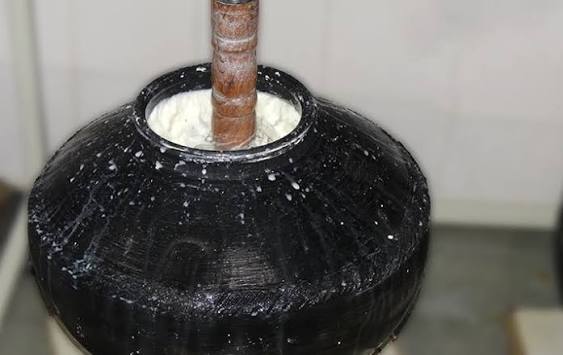
The oils may be old. The scale of consumption is historically new. Traditional oil does not automatically mean traditional consumption For centuries, oil extraction required considerable work. Traditional ghani or kolhu pressing was slower and accordingly consumption was relatively lower. People used Oil carefully and consciously.

Modern oil production is completely different – Mechanical expellers, large crushing plants and solvent extraction allow manufacturers to recover oil at industrial scale. Refining, bleaching and deodorising make oils more neutral in taste and suitable for mass distribution. The Seed Oils Revolution. India’s edible oil market has consequently become enormous.

Government data show total edible oil availability at about 27.8 million tonnes in 2023-24. Instead of Kachi Ghani and Ghee Production – India now imports palm oil largely from Southeast Asia and soybean and sunflower oils from major international suppliers. The modern Indian cooking oil is a global industrial supply chain, not simply an enlarged village ghani.

Metabolic Diseases – Diabetes Capital of The World

Along with steadily rising edible oils consumption and a subtle, under-the-surface shift from traditional Ghee and Kachi Ghani Sesame Oil to Industrial Edible Oils – India has experienced a huge rise in diabetes and metabolic disease. Whether there is a cause-and-effect relationship is for scientists to uncover. But the data is in-our-faces.

The large ICMR-INDIAB study estimated that India had 101 million people with diabetes and 136 million with prediabetes in 2021.

It also estimated 254 million people with generalised obesity and 351 million with abdominal obesity. These are extraordinary numbers.

Along with massive growth in edible oil consumption – Physical activity has fallen. Urbanisation has increased. Refined carbohydrate consumption remains high. Ultra-processed foods have expanded. Portion sizes and eating patterns have changed. Indians also have a high biological susceptibility to diabetes at comparatively lower body weights.

Strongest scientific concern  – Excess Energy from Oils

Every gram of fat provides approximately 9 calories.

Protein and carbohydrate provide about 4 calories per gram.

Edible Oil is therefore extremely calorie-dense.

One tablespoon (15 ml) of cooking oil can provide roughly 135 calories, depending on the amount measured. Add four tablespoons across cooking, frying, packaged foods and restaurant meals and the calorie contribution becomes substantial.

For Indians, this is particularly important because abdominal fat and metabolic problems can occur at lower body mass index levels than in many Western populations.
ICMR-NIN says cooking oil should be limited

India’s own nutrition authorities are not recommending unlimited use of vegetable oils. The 2024 Dietary Guidelines for Indians from ICMR-National Institute of Nutrition state that visible fats should be limited according to energy needs.

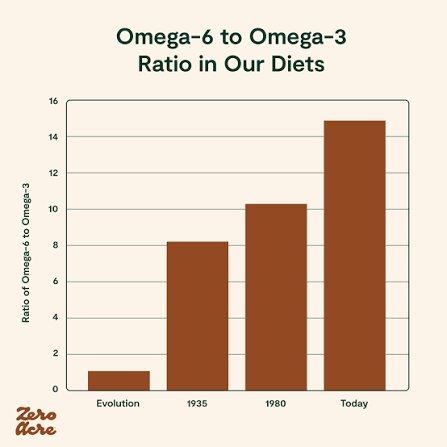
For a 2,000-calorie diet, about 27-30 grams of visible fat or cooking oil per day is considered sufficient. Ideally Ghee – rich in Omeg-3 fatty acids unlike seed oils rich in Omega-6 fatty acids.

Sedentary adult women are advised to limit visible fat to around 20 grams daily, while sedentary adult men are advised around 30 grams as against an average consumption of 60 gm per capita per day.

The health risk may not come from a spoonful of Desi Ghee or Kachi Ghani mustard oil used in dal. It may come from the total dietary environment created by cheap and abundant edible oil: fried breakfast foods, namkeen, chips, biscuits, bakery products, restaurant gravies, fast food and repeated frying.

Repeated heating is a separate and genuine concern

There is also an important difference between fresh cooking oil and oil repeatedly heated for frying. When oil is exposed to high temperatures for long periods, its chemical structure changes. Repeated heating can increase the formation of oxidation products and other unwanted compounds.

This is why ICMR-NIN advises against repeated reheating of cooking oils. Recent Government of India public health messaging is equally clear: oil should not be heated at very high temperatures for long periods, and repeated reheating should be avoided.

Limit Oil Consumption – Use TRADITIONAL Ghee More Often

A traditional Indian household in 1850, pressing mustard seeds in a kachi ghani, the wooden press turned by a bullock walking in slow circles, produced perhaps a litre of oil from a morning’s labour. The yield was low. The labour was high. The oil was therefore precious.

This precious oil was used in tablespoons, not in litres. A teaspoon of toasted sesame oil drizzled at the end of a stir-fry, the way every Japanese chef still uses it. A spoonful of mustard oil to fry the spices for a curry that fed eight people

The traditional cook used a teaspoon of pungent, slow-pressed seed oil to flavour a meal, and the rest of the cooking fat came from ghee, butter, and the fat of an animal someone had kept themselves.

The supermarket bottle of vegetable oil that the modern household cooks everything in, every day, in volumes the kachi ghani could never have produced, is not the traditional oil. It shares the label. It shares almost nothing else.

The tradition was a finishing touch. The industry sold you the bottle and called it heritage. Heritage was the teaspoon. The litre is the disease – visible in numbers today. Time to switch back to Tradition – Desi Ghee and a teaspoon of kachi ghani mustard oil, if at all. Reclaim Health.

More from the blog

High Uric Acid May Predict Type 2 Diabetes: Why High Serum Uric Acid Level Is More Than Just Gout

Most Indians Think High Uric Acid Causes Only Gout. That May Be Only Half the Story. This is one of the biggest paradigm shifts occurring...

Landmark Study Across 10 Cities Finds Widespread Vitamin and Mineral Deficiencies in School Children

Our Children, Our Precious Children, Future of The World - Our Beloved Children are severly deficient in both macro and micro-nutrients. A new landmark...

Vitamin B12 and Ischaemic Stroke: How Vitamin B12 Deficiency Increases Stroke Risk in Indians

Vitamin B12 and Ischaemic Stroke: Can Correcting Vitamin B12 Deficiency Help Protect Your Brain? Stroke cases are Rising in India. Could Vitamin B12 Be One...

Why Many Indian Children Don’t Reach Their Full Height Potential – Nutrition is Only Solution

Science of Nutrition, Lifestyle and Growth: Why Protein, Vitamins, Sleep and Exercise Matter for Height, Strength and Longevity Height Doesn't Depend Solely on Your Genes Many...