



Polyunsaturated fatty acids (PUFAs) are basic components involved in the architecture and function of cellular membranes and play key roles in several biological processes.
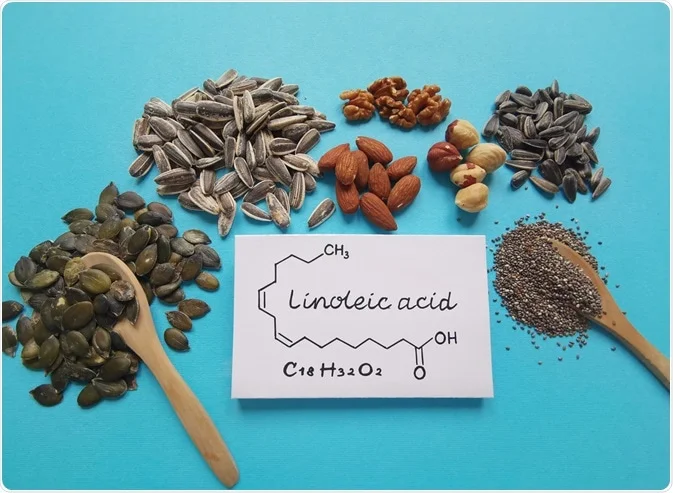
PUFAs are endogenous mediators for cell signaling and are involved in the regulation of gene expression. They are also metabolic precursors of eicosanoids, such as prostaglandins and leukotrienes, and docosanoids, such as protectins or resolvins.
The most common source of PUFAs in the human diet today are vegetable and seed oils that contain linoleic acid (LA), which is an omega-6 fatty acid. LA is a major constituent of human tissues, and it is considered to be an essential fatty acid.
However, when the levels of LA become highly elevated in the blood through dietary intake in amounts that far exceed recommended amounts, this PUFA becomes a precursor to oxidized Linoleic Acid metabolites.
Furthermore, LA conversion may lead to the formation of free radicals, such as 8-hydroxyoctanoic acid and heptanoic acid. In addition, in some instances, LA may be further metabolized into arachidonic acid (AA), which is a precursor to oxidized AA metabolites (OXAAMs). The increased circulation of oxidized metabolites and free radicals has been linked to different types of diseases (e.g., cardiovascular, atherosclerotic, hepatic, etc.
Linoleic Acid intake has become increasingly controversial considering its widespread promotion as a healthy fat despite a growing body of evidence suggesting that the current consumption, being exponentially higher than historical norms, may be harmful and a contributor to chronic diseases.
Linoleic acid is the most abundant Omega-6 fatty acid found in a variety of the oils which are routinely, regularly used for cooking food. While low levels of Omega-6 fatty acids are fine for human body, excessive levels lead to Cardio Vascular Disease as explained above, at times triggered by excessive build up of arterial plaques.
Linoleic acid, the primary Omega-6 fatty acid found in seed oils is also predominantly found in atherosclerotic plaques at concentrations exceeding 10X higher than in healthy tissues.
Arterial Plaque Build-Up
Quite contrary to the common understanding that Sat Fats / Saturated Fats were so far implicated with CVDs, the real culprit is Linoleic Acid from much touted healthy, seed oils.
Newer research is unearthing the components of atherosclerotic plaque build up and this is leading to an increasing understanding that excessive consumption of seed oils is partly to blame for plaque build up as higher caloric diets are replacing the traditional, nutrient dense diets which included generous amounts of fish and seafoods. This is the direct physical evidence. But we’re still pretending dietary cholesterol is depositing in arteries like grease in a pipe. That’s not how biochemistry works.
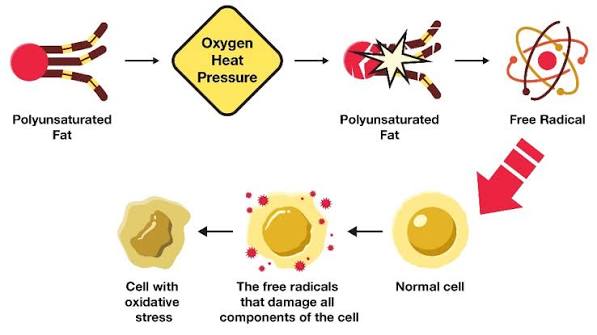
Cholesterol doesn’t just “stick” to arterial walls. What happens: Seed oils oxidise, create inflammation, damage the arterial lining, and then LDL (carrying oxidised seed oils) gets trapped in the repair process. The seed oils are the cause. LDL is just the unfortunate carrier.
Sr No |
List of Oils Very High in Omega-6 LINOLEIC ACID |
%age |
1 |
Safflower Oil |
75 – 70% |
2. |
Sunflower Oil |
65 – 75% |
3. |
Grapeseed Oil |
69 – 73% |
4. |
Corn Oil |
58 – 62% |
5. |
Soyabean Oil |
50 – 60% |
6. |
Cottonseed Oil |
50 – 58% |
7. |
Sesame Oil |
40 – 45% |
8. |
Rice Bran Oil |
33 – 39% |
9. |
Peanut Oil |
30 – 35% |
10. |
Canola Oil |
Around 20% |