



What Human Studies Tell Us and How to Choose the Right Magnesium Supplement – Best Magnesium for Brain Health: Human Studies, Benefits and Buying Guide.
Introduction
In Part 1 of this Series, we explored why magnesium is essential for healthy brain function and compared the most common magnesium supplements. We also learned that although all forms provide magnesium, they differ in their absorption, bioavailability and potential effects on the brain.
But an important question remains: Do human clinical studies actually show that magnesium supplements improve memory, concentration or cognitive function? The answer is encouraging—but also more nuanced than many advertisements suggest.
Scientific evidence indicates that magnesium supplementation may benefit certain groups of people, particularly those with inadequate magnesium intake, older adults experiencing age-related cognitive decline, and individuals whose poor sleep or chronic stress affects brain performance. However, magnesium is not a magic pill, and the strength of evidence varies considerably between different formulations. Let’s look at what the science tells us.
What Do Human Clinical Studies Show?
Over the past decade, researchers have investigated whether increasing magnesium intake can improve various aspects of brain health, including:
Memory
Attention
Executive function
Processing speed
Sleep quality
Anxiety
Mild cognitive impairment
Healthy brain ageing
Although study designs differ, one trend is becoming increasingly clear: Maintaining healthy magnesium status appears to support normal brain function, especially as we age.
Magnesium L-Threonate: The Most Brain-Focused Research
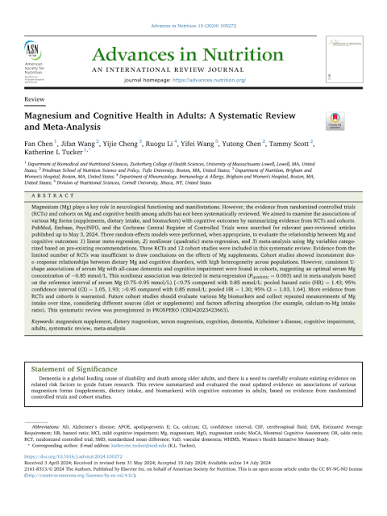
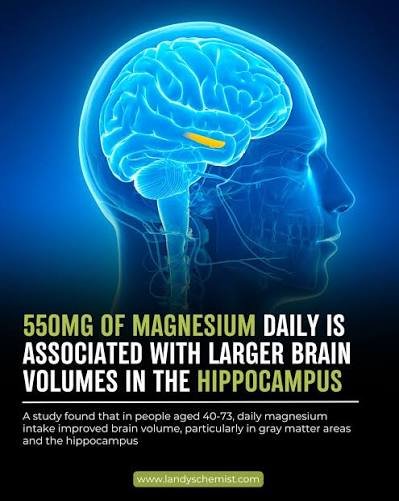
Among all available magnesium supplements, Magnesium L-Threonate has received the greatest scientific attention for cognitive health. Unlike traditional magnesium salts, it was specifically developed to improve magnesium delivery to the brain. Several human clinical studies have reported improvements in cognitive performance after supplementation.
Reported Benefits – Researchers have observed improvements in:
Working memory
Executive function
Attention
Cognitive flexibility
Processing speed
Some participants also experienced better sleep quality and reduced anxiety. These improvements are believed to result from increased synaptic plasticity—the brain’s ability to strengthen communication between neurons.
However, researchers also point out that most studies have involved relatively small numbers of participants. Larger multicentre trials are still required before definitive conclusions can be drawn.
Current evidence: ★★★★★
Strength of evidence: Promising but still evolving
Magnesium Bis-Glycinate: Better Brain Function Through Better Sleep and for Good Heart Health
Unlike Magnesium L-Threonate, Magnesium Bis-Glycinate has not been specifically designed to increase magnesium concentrations inside the brain. Instead, its benefits are thought to occur indirectly.
Magnesium Bis-Glycinate combines magnesium with the amino acid glycine, which plays an important role in relaxation and sleep regulation. Poor sleep is strongly associated with:
Reduced concentration
Memory problems
Brain fog
Slower thinking
Mood disturbances
By improving sleep quality and reducing stress, Magnesium Glycinate may help many people experience better cognitive performance during the day. It is also one of the most well-tolerated forms of magnesium, causing fewer digestive side effects than several other formulations.
Current evidence: ★★★★☆
Magnesium Citrate: Excellent for Correcting Deficiency
Magnesium Citrate is one of the most commonly recommended supplements for correcting low magnesium intake. It is: Highly bioavailable, Affordable, Widely available and Well studied for magnesium replacement
However, very few studies have specifically evaluated its effects on memory or cognitive performance. For individuals who are magnesium deficient, restoring normal magnesium levels may itself improve fatigue and mental performance.
But unlike Magnesium L-Threonate, Magnesium Citrate has not demonstrated unique brain-targeted effects.
Current evidence: ★★★☆☆
Magnesium and Healthy Brain Ageing
As we grow older, gradual changes occur within the brain. These include:
Reduced synaptic density
Increased oxidative stress
Chronic low-grade inflammation
Mitochondrial dysfunction
Slower nerve signalling
Scientists believe magnesium may help support healthy brain ageing through several mechanisms. These include:
Maintaining synaptic function.
Supporting mitochondrial energy production.
Regulating calcium balance inside neurons.
Reducing oxidative stress.
Supporting normal neurotransmitter activity.
Several observational studies have linked higher dietary magnesium intake with better cognitive performance in older adults, although observational studies cannot prove cause and effect.
Who May Benefit Most?
Current evidence suggests magnesium supplementation may be most useful for:
Older Adults – Age-related reductions in dietary intake and intestinal absorption increase the risk of magnesium inadequacy.
People with Poor Sleep – Sleep deprivation negatively affects attention, learning and memory. Magnesium Bis-Glycinate may be particularly helpful in this group.
Individuals Experiencing Chronic Stress – Stress increases magnesium requirements while magnesium deficiency may worsen stress responses.
People with Diabetes – Type 2 diabetes is frequently associated with lower magnesium levels due to increased urinary magnesium loss. Maintaining adequate magnesium may support both metabolic and neurological health.
Individuals with Low Dietary Intake – Highly processed diets often provide substantially less magnesium than diets rich in: Nuts, Seeds, Legumes, Green leafy vegetables and animal meat
Food First: Can You Get Enough Magnesium Naturally?
Whenever possible, obtaining nutrients from food remains the preferred strategy. Excellent dietary sources include:
Excellent dietary sources of Magnesium include:
| Food | Serving size | Magnesium content in milligrams (mg) |
|---|---|---|
| Pumpkin seeds | 30 grams | 159 mg |
| Chia seeds | 30 grams | 114 mg |
| Almonds | 30 grams | 80 mg |
| Cashews | 30 grams | 75 mg |
| Brown rice (cooked) | ½ cup | 72 mg |
| Spinach (boiled) | ½ cup | 57 mg |
| Peanuts | 30 grams | 48 mg |
| Salmon (cooked) | 100 grams | 30 mg |
| Milk (3% fat) | 1 cup | 28 mg |
| Whole wheat bread | 1 slices | 25 mg |
| Chicken breast | 80 grams | 24 mg |
| Avocado | 75 grams | 20 mg |
| Meat, mince (cooked) | 65 grams | 18 mg |
However, many people consume fewer magnesium-rich foods than recommended, particularly when diets rely heavily on refined cereals and ultra-processed foods.
How to Choose a High-Quality Magnesium Supplement
Not all supplements are manufactured to the same standards. When choosing a product, consider:
✓ Clearly stated magnesium form
✓ Amount of elemental magnesium
✓ Reputable manufacturer
✓ Third-party quality testing
✓ Transparent ingredient list
✓ Minimal unnecessary additives
Avoid products making exaggerated claims such as: “Cures dementia”, “Restores memory permanently” and “Reverses Alzheimer’s disease”. No magnesium supplement has demonstrated these effects in high-quality clinical trials.
Is Magnesium Safe?
For most healthy adults, magnesium supplements are well tolerated when used according to recommended doses. Possible side effects include: Loose stools, Mild abdominal discomfort and Nausea.
These side effects are more common with Magnesium Oxide and Magnesium Citrate than with Magnesium Bis-Glycinate or Magnesium L-Threonate.
People with advanced kidney disease should not take magnesium supplements without medical supervision because reduced kidney function can impair magnesium excretion.
So, Which Form of Magnesium Is Best for Brain Health?
Based on current scientific evidence, different magnesium supplements serve different purposes.
Magnesium L-Threonate – Best for: Memory, learning, cognitive support and healthy brain ageing.
Strengths: Specifically developed for brain health, Strongest evidence for increasing brain magnesium levels and Promising human cognitive studies.
Magnesium Bis-Glycinate – Best for: Stress, anxiety, poor sleep and overall magnesium replacement. Strengths are :Excellent absorption, Gentle on the stomach, May indirectly improve cognitive function through better sleep and reduced stress.
Final Thoughts
Magnesium is one of the body’s most important minerals, and maintaining adequate magnesium status is essential for healthy brain function throughout life.
Among the available supplements, Magnesium L-Threonate currently has the strongest scientific rationale for directly supporting memory and cognitive function because of its ability to increase magnesium levels within the brain. Magnesium Bis-Glycinate remains an excellent option for individuals whose cognitive symptoms are linked to poor sleep, stress or anxiety, while Magnesium Citrate is highly effective for correcting magnesium deficiency.
The most important message is this: no single magnesium supplement can replace a healthy diet, regular physical activity, good sleep and management of underlying medical conditions. Magnesium should be viewed as one component of a broader strategy for maintaining lifelong brain health.
Select Scientific References
- Slutsky I, et al. Enhancement of Learning and Memory by Elevating Brain Magnesium. Neuron
- Liu G, et al. Magnesium L-Threonate and Cognitive Function in Older Adults
- Gröber U, Schmidt J, Kisters K. Magnesium in Prevention and Therapy. Nutrients
- Barbagallo M, Dominguez LJ. Magnesium and Healthy Ageing. International Journal of Molecular Sciences
- National Institutes of Health (NIH). Magnesium Fact Sheet for Health Professionals
- EFSA Panel on Nutrition. Dietary Reference Values for Magnesium
- Frontiers in Nutrition. Recent reviews on magnesium, cognition and healthy ageing
- Nutrients. Systematic reviews of magnesium supplementation and neurological health.