



Why Indians Develop Diabetes Earlier Than Europeans – Science Behind the ‘Thin-Fat Indian’ Phenotype, Visceral Fat and Reduced Beta-Cell Reserve.
Part 4 of 10 Part Series on The Silent Death of Pancreas – For Part 3, Click Here
Diabetes Doesn’t Behave the Same Way Around the World
Imagine two men. Both are 40 years old.
Both have a BMI of 24 kg/m², which falls within the healthy or slightly overweight range for many populations. One lives in London. The other lives in Mumbai. On paper, they appear remarkably similar.
Yet research consistently shows that the Indian man is more likely to develop Type 2 diabetes, often several years earlier, despite having a similar BMI.
Why?
For decades, scientists believed obesity alone explained diabetes. Today we know the picture is far more complex. Your risk depends not just on how much fat you have, but where you store it, how much muscle you have, your early-life nutrition, your genetics, and how well your pancreas can respond to insulin resistance.
South Asian Diabetes Paradox
South Asians—including Indians, Pakistanis, Bangladeshis and Sri Lankans—have one of the highest risks of Type 2 diabetes in the world. Large international studies show that South Asians:
-
Develop diabetes 5–10 years earlier than many Europeans.
-
Develop diabetes at lower BMI.
-
Often have less obvious obesity.
-
Experience complications at younger ages.
-
Frequently have a stronger family history of diabetes.
This observation puzzled scientists for many years. The answer lies just beneath the skin.
BMI Doesn’t Tell the Whole Story
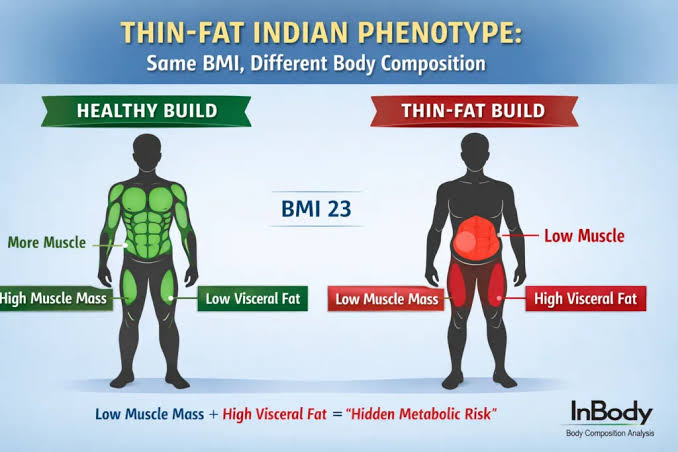
BMI (Body Mass Index) is useful for populations, but it has important limitations for individuals. Two people with the same BMI may have completely different body composition. One may have:
-
Higher muscle mass
-
Lower visceral fat
-
Better insulin sensitivity
Another may have:
-
Lower muscle mass
-
More abdominal fat
-
Fatty liver
-
Fatty pancreas
-
Greater insulin resistance
Although both have the same BMI, their metabolic health can be very different. This is why many experts recommend looking beyond BMI when assessing diabetes risk in Indians.
“Thin-Fat Indian” Phenotype
One of the most influential concepts in Indian diabetes research is the “Thin-Fat Indian” phenotype, described by researchers including Professor Chittaranjan Yajnik and colleagues. The term does not mean that Indians are literally thin and fat at the same time.
Instead, it refers to a characteristic body composition in which many Indians have:
-
Lower muscle mass
-
Smaller body frame
-
Higher percentage of body fat
-
Greater abdominal fat
-
More fat around internal organs
-
Higher liver fat
In other words, an Indian with a “normal” BMI may still have a body composition associated with increased metabolic risk.
Visceral Fat: The Hidden Fat That Matters Most
Not all body fat behaves the same way.
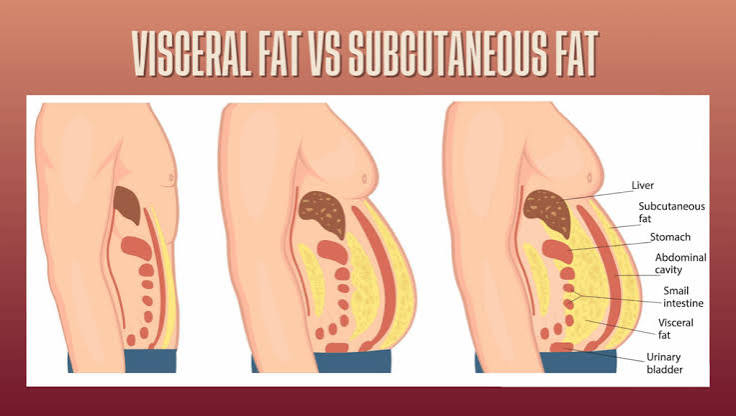
Subcutaneous Fat – This lies just beneath the skin. It is the fat you can pinch around the waist, thighs or arms. While excessive amounts are not ideal, subcutaneous fat is generally less metabolically harmful.
Visceral Fat – Visceral fat surrounds vital organs such as: Liver, Pancreas, Intestines. Unlike subcutaneous fat, visceral fat is highly active. It releases inflammatory molecules and hormones that contribute to:
-
Insulin resistance
-
Fatty liver
-
Elevated triglycerides
-
High blood pressure
-
Chronic inflammation
Studies consistently show that South Asians accumulate more visceral fat than Europeans at the same BMI.
Fatty Liver Connection
One of the earliest organs affected by excess visceral fat is the liver. Normally, insulin suppresses glucose production by the liver after a meal. In insulin resistance, this signal weakens.
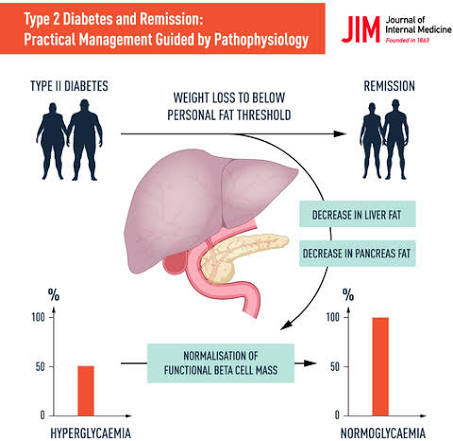
The liver continues producing glucose even when blood sugar is already high. Excess fat within the liver—known as metabolic dysfunction-associated steatotic liver disease (MASLD)—further worsens insulin resistance. MASLD is highly prevalent in India and often occurs alongside prediabetes and Type 2 diabetes.
Can the Pancreas Also Accumulate Fat?
Yes. Researchers now recognize that fat can accumulate within the pancreas, a condition often called fatty pancreas or pancreatic steatosis. Although research is still evolving, several studies suggest that excess pancreatic fat may:
-
Impair beta-cell function
-
Alter insulin secretion
-
Increase local inflammation
-
Contribute to the progression of Type 2 diabetes
Importantly, pancreatic fat is not something that can be diagnosed by symptoms alone. It is usually detected through imaging studies in research or clinical settings.
Muscle: The Forgotten Organ in Diabetes
When most people think about blood sugar, they think about the pancreas. But skeletal muscle is actually the largest site of glucose disposal after a meal. Healthy muscle removes a substantial proportion of circulating glucose under the influence of insulin.
Many Indians have lower lean muscle mass compared with Western populations. Less muscle means – Reduced glucose storage capacity, Greater insulin demand, Increased metabolic stress on beta cells.
This is one reason why resistance training has become an important part of diabetes prevention.
Early-Life Nutrition Shapes Adult Diabetes Risk
One of the most fascinating discoveries in diabetes research is that the story may begin before birth. The Developmental Origins of Health and Disease (DOHaD) hypothesis suggests that poor nutrition during fetal development can permanently alter metabolism.
Research from India, including the Pune Maternal Nutrition Study, has shown that babies born with low birth weight who later gain weight rapidly are at increased risk of insulin resistance and Type 2 diabetes as adults.
This may help explain why diabetes risk remains high even among adults who are not visibly obese.
Genetics Load the Gun, Lifestyle Pulls the Trigger
Family history remains one of the strongest risk factors for Type 2 diabetes. More than 700 genetic variants have been associated with diabetes susceptibility, many affecting:
-
Beta-cell development.
-
Insulin secretion.
-
Glucose metabolism.
However, genetics alone do not determine destiny.
Most experts agree that lifestyle factors—including diet, physical activity, sleep, and weight management—interact with genetic predisposition to influence whether diabetes develops.
Why Waist Size Matters More Than Weight
For many Indians, waist circumference provides additional information beyond BMI. Excess abdominal fat is strongly associated with:
-
Insulin resistance
-
High triglycerides
-
Fatty liver
-
Hypertension
-
Prediabetes
-
Type 2 diabetes
Current recommendations often use lower waist circumference cut-offs for South Asian populations than for Europeans because metabolic risk appears at smaller waist sizes.
Good News: Risk Is Not Destiny
Although Indians may have a higher biological susceptibility to diabetes, this does not mean diabetes is inevitable.
Large clinical trials have demonstrated that lifestyle interventions—including healthy eating, regular physical activity, weight reduction, and improved sleep—can significantly reduce the progression from prediabetes to Type 2 diabetes.
For many people, the most effective strategy is to begin before blood sugar reaches the diabetic range.
Key Takeaways
-
Indians and other South Asians often develop Type 2 diabetes earlier and at lower BMI than many Western populations
-
The Thin-Fat Indian phenotype describes a body composition with relatively higher body fat and lower muscle mass despite a normal or near-normal BMI
-
Visceral fat, rather than total body weight alone, plays a major role in insulin resistance
-
Fat accumulation in the liver and possibly the pancreas may contribute to declining beta-cell function
-
Lower muscle mass reduces the body’s ability to dispose of glucose efficiently, increasing demand on the pancreas
-
Genetics influence diabetes susceptibility, but lifestyle choices strongly affect whether and when the disease develops
-
Measuring waist circumference, maintaining muscle mass, and reducing visceral fat are key components of diabetes prevention in Indians
Select References
-
Yajnik CS. The Insulin Resistance Epidemic in India: Fetal Origins, Later Lifestyle, or Both? Nutr Rev.
-
Anjana RM, et al. ICMR-INDIAB Study. Lancet Diabetes & Endocrinology. 2023.
-
Mohan V, et al. Chennai Urban Rural Epidemiology Study (CURES).
-
International Diabetes Federation. IDF Diabetes Atlas, latest edition.
-
American Diabetes Association. Standards of Care in Diabetes, latest edition.
-
Taylor R. Diabetologia. Twin Cycle Hypothesis.
-
Misra A, Khurana L. Obesity and the Metabolic Syndrome in Developing Countries. J Clin Endocrinol Metab.
-
Barker DJP. Developmental Origins of Adult Disease. BMJ.
-
Yajnik CS, Fall CHD, Coyaji KJ, et al. Neonatal Anthropometry: The Thin-Fat Indian Baby. Int J Obes. 2003.
-
Petersen KF, Shulman GI. Mechanisms of Insulin Resistance. Physiol Rev.