
Why Your Magnesium Supplement isn’t Working – Check Out These 8 Suggestions

What is Magnesium and Its Importance for Human Body

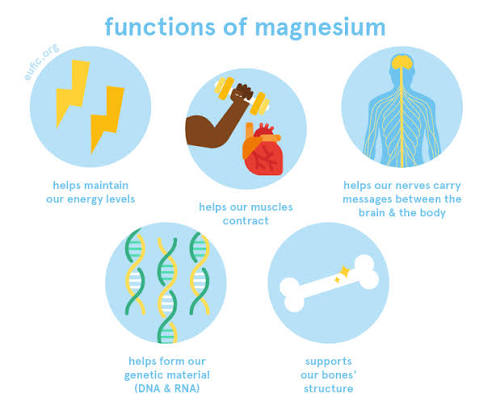
Magnesium is an essential macromineral required for over 300 biochemical reactions in the human body. It is primarily stored in the bones and soft tissues, where it facilitates energy creation, muscle movement, nervous system regulation, and the structural development of DNA and bone. 
Humans need magnesium daily to perform several vital functions:

Over 60% of urban Indians suffer from magnesium deficiency. This is driven by soil depletion, consumption of RO-purified water, and traditional dietary habits like pairing meals with tea. Common symptoms include muscle cramps, chronic fatigue, sleep disturbances, and heightened anxiety

Recommended Magnesium Dosage

The Indian Council of Medical Research-National Institute of Nutrition (ICMR-NIN) recommends the following daily dietary allowances (RDA) for adult Indians:
  • Adult Men: 400 mg to 420 mg per day
  • Adult Women: 310 mg to 320 mg per day
If your doctor recommends a supplement, a safe, general starting dose is 300–400 mg per dayof net absorbable / bio-available Magnesium and not the “sticker / label” mentioned magnesium.

Improving Absorption & Dietary Sources

Phytates in unsoaked grains and tannins in tea block magnesium absorption in the gut. You can optimize your levels by:
  • Dietary modifications: Incorporate magnesium-rich Indian staples into your daily meals, such as ragi (finger millet), bajra (pearl millet), pumpkin seeds, almonds, and drumstick leaves

  • Preparation techniques: Soak legumes and grains overnight before cooking, and try to space your tea/coffee intake at least 1-2 hours away from magnesium-rich meals or cust down your tea and coffee intakes when you are supplementing Magnesium

  • Choosing the right supplement: If you use a supplement, magnesium glycinate / magnesium bis-glycinate for regular usage and magnesium threonate when using for brain / cognition, are the highly bioavailable forms and less likely to cause digestive issues compared to magnesium oxide or magnesium citrate.

Common Mistakes People Make with Magnesium Supplements

Here are 8 most common mistakes people make with magnesium supplementation, which could be the reason why your magnesium supplements are not working for your body:

1. Thinking magnesium works by itself

Magnesium and Vitamin D are co-dependent. You need 4,000 to 10,000 IUs of Vitamin D for magnesium to work properly in the body. If you don’t have enough vitamin B6, potassium, or sodium also, it may seem that your magnesium is not working and poor supplement gets the blame.

2. Ignoring intestinal cell lining damage

Many people have damaged intestinal cell lining due to the consumption of seed oils. You need healthy intestinal lining for proper and appropriate magnesium absorption. Fermented foods help in recovering healthy intestinal lining

3. Stress

Stress shuts down digestion, lowers immunity, decreases blood flow to certain organs, and increases the demand for magnesium. Caffeine and tannins from Tea can also deplete magnesium, hence cust down your stimulants’ intake for Mgnesium supplement to work effectively.

4. Taking the wrong type of Magnesium

Magnesium oxide is the most common form of magnesium in supplements, but it’s the worst! Magnesium glycinate / BIS-GLYCINATE is a much better option and is the most absorbable / bio-available form.

5. Blocking magnesium absorption without knowing

Too much calcium can block the absorption of magnesium. Zinc, fluoride, and aluminum can inhibit its function. Low stomach acid, antacids and acid blockers can also interfere with magnesium absorption. Be casreful with usage of such products along with Magnesium supplements.

6. Misunderstanding RDAs

Recommended Daily Averages (RDAs) do not represent a therapeutic dose. If you’re trying to correct a magnesium deficiency, you need significantly more magnesium than the RDA. If you want to increase your magnesium intake, spread your doses throughout the day, as you can only absorb around 300 to 400 mg at once.

7. Unrealistic expectations

Vitamins and minerals do not work like drugs. It can, sometimes, take a while to restore healthy biochemistry in the body. Your magnesium imbalance started mutli-years ago, expecting magical results from Magnesium supplements within a few days is not logical. Try at least 90 days if not more, for results

8. Missing the insulin connection

Magnesium relationship with Insulin is a loop – Insulin resistance can block magnesium absorption, and consequently, a magnesium deficiency can increase your risk of insulin resistance. While using Magnesium supplements, do look out for your blood suagr levels / fasting insulin levels and calibrate dosage accordingly

Supplements, as the name suggests, are in-addition to a balanced and nutritious diet and an active lifestyle and are used to correct the long term, built up deficiencies. Choose the most appropriate Magnesium supplement for the intended benefits.

More from the blog

High Uric Acid May Predict Type 2 Diabetes: Why High Serum Uric Acid Level Is More Than Just Gout

Most Indians Think High Uric Acid Causes Only Gout. That May Be Only Half the Story. This is one of the biggest paradigm shifts occurring...

Landmark Study Across 10 Cities Finds Widespread Vitamin and Mineral Deficiencies in School Children

Our Children, Our Precious Children, Future of The World - Our Beloved Children are severly deficient in both macro and micro-nutrients. A new landmark...

Vitamin B12 and Ischaemic Stroke: How Vitamin B12 Deficiency Increases Stroke Risk in Indians

Vitamin B12 and Ischaemic Stroke: Can Correcting Vitamin B12 Deficiency Help Protect Your Brain? Stroke cases are Rising in India. Could Vitamin B12 Be One...

Why Many Indian Children Don’t Reach Their Full Height Potential – Nutrition is Only Solution

Science of Nutrition, Lifestyle and Growth: Why Protein, Vitamins, Sleep and Exercise Matter for Height, Strength and Longevity Height Doesn't Depend Solely on Your Genes Many...