



It breaks our heart to write this but – Preterm Birth and Low Birth Weight May Affect Learning for Life, Finds Largest Review of Global Evidence.
Modern neonatal care has dramatically improved the survival of babies born too early or too small. Today, millions of children who would not have survived a few decades ago are growing into adulthood thanks to advances in medical care. However, an important question remains: Do children born preterm or with low birth weight, or both – do they continue to face challenges in learning and brain development as they grow older?
A landmark umbrella review and meta-analysis published in JAMA Pediatrics provides one of the clearest answers yet. However, before we come to JAMA Pediatrics Umbrella Review, lets look at India specific data and details on this topic.
India – Situation
Preterm birth and low birth weight are strongly linked to lower intelligence quotient (IQ) scores, higher rates of developmental delays and poorer school performance in Indian children. Its unfortunate but true that earlier births / pre-term births and lower weights ay birth lead to larger cognitive gaps.
Indian Pediatrics Commentary on Pre-Term Birth and Lower Body Weights at Birth
Key Findings on Birth Weight and Brain Development
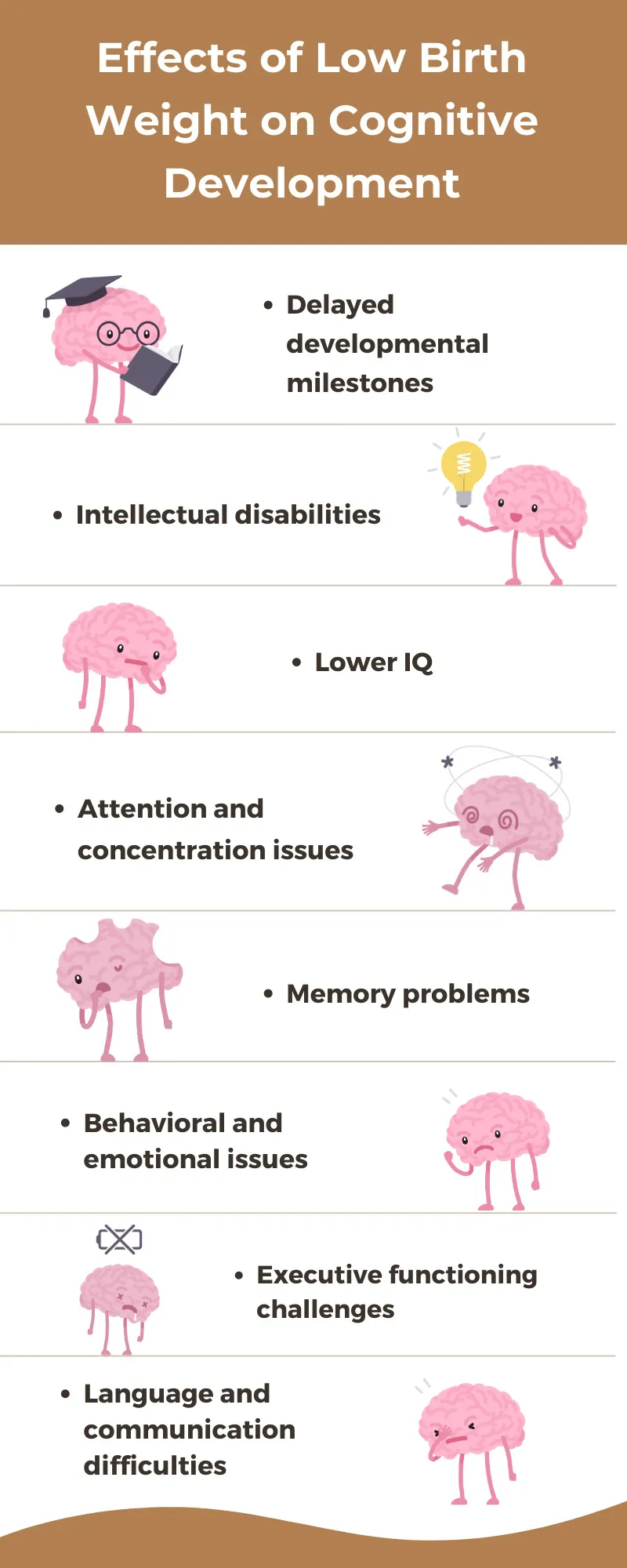
Lower Cognitive Scores: Indian and South Asian studies show that low birth weight (LBW, under 2.5 kg) infants score significantly lower on cognitive and motor tests compared to normal weight peers
The “Double Whammy”: Preterm babies who are also small for gestational age (SGA) face the highest risk of long-term neurodevelopmental disabilities and the lowest IQ scores
Specific Deficits: Affected children frequently struggle with attention (ADHD), language delays, spatial reasoning, and executive functions
Long-Term Impacts and Statistics in India
High Local Prevalence: India accounts for millions of low birth weight and preterm births annually due to factors like intrauterine growth restriction and maternal malnutrition
Persistent Disadvantages: Long-term local cohorts tracking children into school age found that significant portions of very low birth weight children score below average on intelligence tests or experience mild mental retardation
School Challenges: Children with a history of prematurity often require special education support and face higher rates of grade repetition
Journal of American Medical Association – Pediatrics Publication
After analysing evidence from decades of research involving hundreds of studies worldwide, researchers concluded that preterm birth and low birth weight are consistently associated with poorer cognitive development and educational outcomes, with the greatest risks seen in babies born the earliest or weighing the least at birth.
The findings reinforce the importance of supporting these children not only during the newborn period but throughout childhood and adolescence. More importantly these findings also highlight the urgent and immediate attention to Maternal Nutrition, during pregnancy. A practice which our mothers and grand-mothers used to dilligently undertake for our wives and sisters during pregnancy, with their extensive community knowledge.
What Is Considered Preterm Birth and Low Birth Weight?
Doctors define preterm birth as delivery before 37 completed weeks of pregnancy.
Low birth weight refers to babies weighing less than 2,500 grams (2.5 kg) at birth, regardless of when they are born.
Both conditions are common public health concerns worldwide. Many preterm babies are also born with low birth weight because they have had less time to grow in the womb.
JAMA Pediatrics Umbrella Review – Largest Review of Evidence to Date
Rather than analysing a single study, researchers conducted an umbrella review, which is considered one of the highest levels of scientific evidence. The investigators searched multiple international medical and educational databases up to April 2025, identifying:
40 systematic reviews
22 meta-analyses
18 narrative reviews
788 re-analysed pooled effect estimates
This approach allowed researchers to combine evidence from studies conducted across different countries, healthcare systems and age groups, providing a comprehensive picture of how preterm birth and low birth weight influence cognitive development over the life course.
Lower IQ Was One of the Most Consistent Findings
The review found a clear association between preterm birth or low birth weight and lower general cognitive ability, commonly measured using intelligence quotient (IQ). Overall, affected children had significantly lower average IQ scores compared with children born at term with normal birth weight.
Importantly, the relationship followed a clear pattern:
- Earlier birth was associated with greater cognitive disadvantage
- Lower birth weight was associated with poorer cognitive outcomes
- Extremely preterm and very low birth weight infants experienced the greatest challenges
This “dose-response” relationship strengthens confidence that gestational age and birth weight play an important role in later brain development.
Learning Difficulties Extended Beyond IQ
The impact was not limited to intelligence testing. Researchers found significant disadvantages across several important educational areas. Children born preterm or with low birth weight were more likely to have:
Lower reading performance
Poorer mathematics achievement
Lower spelling scores
Greater need for special educational support
Among these, mathematics showed one of the strongest associations, suggesting that complex cognitive skills such as problem-solving, attention and working memory may be particularly affected.
Greater Need for Educational Support
The review also showed that children born prematurely or with low birth weight were substantially more likely to require additional educational assistance during their school years. This included: Individual learning support, Special education services, Educational accommodations and Developmental monitoring.
Early recognition of learning challenges allows teachers, parents and healthcare professionals to intervene before difficulties become more pronounced.
Do These Differences Persist Into Adult Life?
One encouraging observation was that some cognitive differences appeared to become smaller during adolescence, suggesting that brain development continues well beyond infancy. However, the review also found evidence that many disadvantages remain detectable into adulthood, particularly in cognitive performance and educational attainment.
Evidence suggested that individuals born preterm or with low birth weight were more likely to experience: Lower educational achievement, Reduced school completion, Ongoing learning difficulties and Greater educational costs.
These findings highlight that the effects of early birth can extend far beyond childhood.
Why Does Preterm Birth Affect Brain Development?
The human brain undergoes rapid growth during the final weeks of pregnancy. During this period:
- Brain volume increases rapidly
- Neural connections multiply
- White matter matures
- Brain networks responsible for memory, language and executive function continue developing
When birth occurs too early, part of this critical developmental period takes place outside the protective environment of the uterus.
Although modern neonatal care has greatly improved survival and reduced complications, premature birth may still influence how the brain develops during this vulnerable stage.
Low birth weight may also reflect restricted fetal growth, reduced nutrient availability or pregnancy complications, all of which can influence early brain development.
Early Intervention Can Make a Difference
Perhaps the most important message from this review is that early support matters.
Being born preterm or with low birth weight does not mean a child will inevitably struggle at school. Many children develop normally and lead healthy, successful lives. However, children at higher risk benefit from early identification and timely support. These may include:
- Regular developmental assessments
- Early speech and language therapy when needed
- Nutritionally adequate feeding during infancy
- High-quality early childhood education
- Family engagement and stimulating home environments
- Close collaboration between healthcare providers and schools
Early intervention has repeatedly been shown to improve developmental outcomes and reduce the impact of learning difficulties.
What Does This Mean for India?
India has one of the world’s largest numbers of preterm births and low birth weight babies each year.
As neonatal survival continues to improve, increasing attention must shift from survival alone to ensuring healthy brain development and lifelong learning. Strengthening maternal nutrition, improving antenatal care, preventing premature birth where possible, supporting breastfeeding, ensuring adequate infant nutrition and expanding developmental screening programmes could help many children reach their full cognitive potential.
These findings also reinforce the importance of integrating healthcare, nutrition and education policies to support children born at increased developmental risk.
The Bottom Line
This comprehensive umbrella review provides strong evidence that preterm birth and low birth weight are associated with lasting cognitive and educational disadvantages.
Children born too early or too small are, on average, more likely to experience lower IQ, poorer academic performance and greater need for educational support. The risks become greater as gestational age and birth weight decrease, and although some differences lessen during adolescence, many persist into adult life.
The encouraging message is that early identification, proper nutrition, developmental monitoring and timely educational support can help many children overcome these challenges and achieve their full potential.
For Prospective Parents reading this – take good care during pregnancy, the foundational stage, with balanced, nutrients dense nutrition, good physical exercises as well as cool and calm state of mind for healthier, happier and intelligent progeny.