
Low Glycemic Index Foods for Indians: Scientific, Evidence-Based Daily Diets (Veg & Non-Veg)

India, a developing country with a per capita annual income of less than USD 3,000 per year (Rs. 2,85,000) unfortunately has world’s heaviest burden of Type 2 Diabetes mellitus. On top, a vast majority of healthcare costs in India are still “out-of-pocket” as public health services are not a preferred choice by Middle/Upper Classes and medical insurance penetration still remains under 20%.

In such a dire scenario, a simple common sensical approach to hopefully avoiding and managing Type 2 Diabetes involves making smart, scientific and intelligent food choices. We at www.vitaminerals.in sternly and strongly believe that a common sensical approach can go a long way in Diabetes Free Life for a vast majority of Indians without need for lifelong medications and suffering potential complications.

Common sensical approach for Diabetes AVOIDANCE and management entails using foods which “bother your pancreas” as infrequent (as less) as possible and leading to much lower and slower spikes in serum blood glucose. 2 -approaches could easily, effectively and quickly be used by vast majority of Indian populace without so much as need for “expensive Nutritionists” or even Doctors.

1st approach involves cutting down aggressively all carbohydrates from your diets and replacing with animal origin, low or no carb foods which deliver not only high quality, highly bio-available proteins but also most of critical vitamins and minerals from a single food source, should your beliefs allow usage of such non-veg foods.

2nd approach is to aggressively and consciously replace high-Glycemic Index Foods with Low Glycemic Index and Low Glycemic Load Foods. We are very conscious of the fact that both these suggested approaches entail additional, regular, routine costs as animal foods and some low-glycemic index foods are certainly way more costlier than currently, excessively used cheap cereal grains and vegetabless, but so is the cost of Diabetes. Its a trade-off which may have significant benefits in long term for your health, should you wish to choose.

What is Glycemic Index and Glycemic Load 

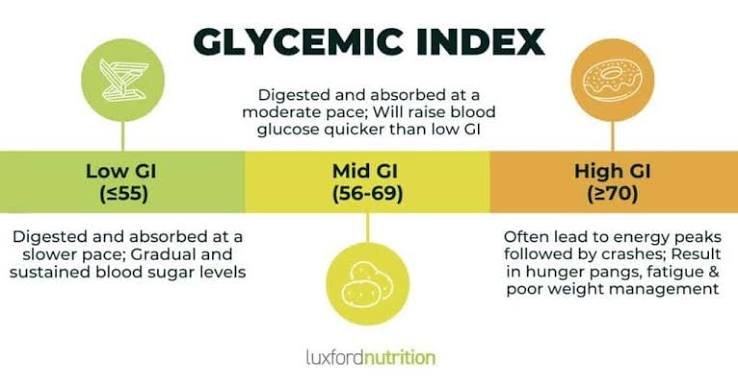
The Glycemic Index (GI) is a numerical scale (0-100) that ranks carbohydrate-containing foods based on their immediate impact on blood glucose levels compared to pure glucose (GI = 100). Simply put, it means how fast and high a carbohydrate-containing food raises blood sugar compared to pure glucose and ranking is accorded accordingly.

Formula for calculating Glycemic Index

Formula:

GI = (Incremental Area Under Curve for Test Food / Incremental Area Under Curve for Glucose) × 100

Where IAUC is measured over 2 hours after consuming 50g of available carbohydrates from the test food. Replacing high-glycemic Indian staples (such as white rice, refined wheat, potatoes) with low-GI alternatives (millets, legumes, whole grains) reduces postprandial glucose spikes by 35-50% and improves long-term HbA1c by 0.5-1.2% in Indian adults with prediabetes and type 2 diabetes (multiple references available).

GI Classification (International Standards)

GI Range Classification Impact on Blood Sugar
0-55 Low GI Slow, gradual rise; minimal spike
56-69 Medium GI Moderate rise; manageable with portion control
70-100 High GI Rapid spike; sharp insulin response
Source: International Tables of Glycemic Index (2021), ICMR-NIN (2025)
Glycemic Index
Glycemic Index

Glycemic Load (GL): The Missing Piece

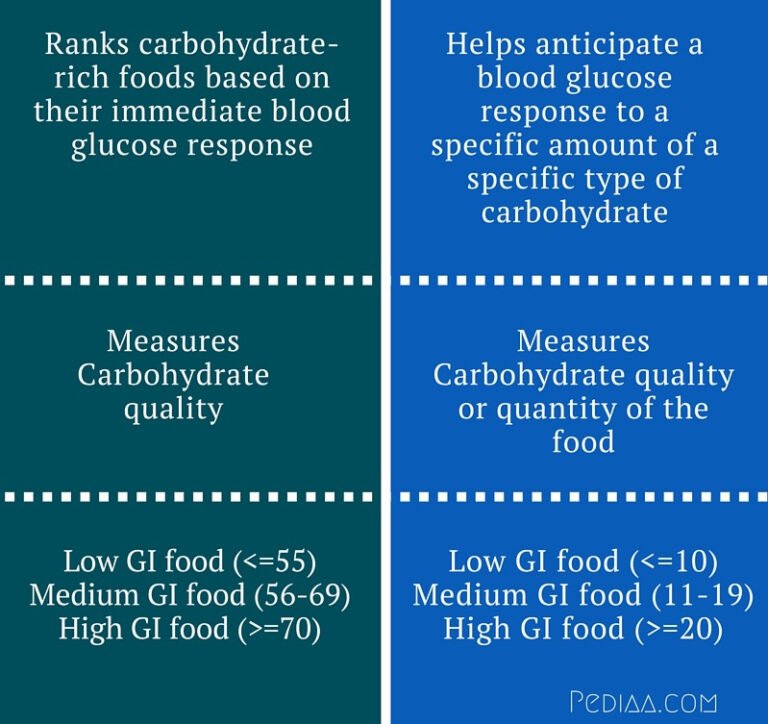
Why GI Alone Is Insufficient: GI measures quality of carbs, not quantity. A food with high GI but low carb content (e.g., watermelon, GI 72 but only 6g carbs per 100g) may have less impact than a low-GI food eaten in large quantities.

Formula: GL = (GI × Carbohydrates per serving in grams) / 100

GL Classification:

  • Low GL: ≤10 (minimal blood sugar impact)

  • Medium GL: 11-19 (moderate impact)

  • High GL: ≥20 (significant impact)pbhealth+1

Example: White rice (GI 73, 53g carbs per 150g cooked): GL = (73 × 53) / 100 = 39 (High) / Chana dal (GI 8, 20g carbs per 150g cooked): GL = (8 × 20) / 100 = 1.6 (Low)health

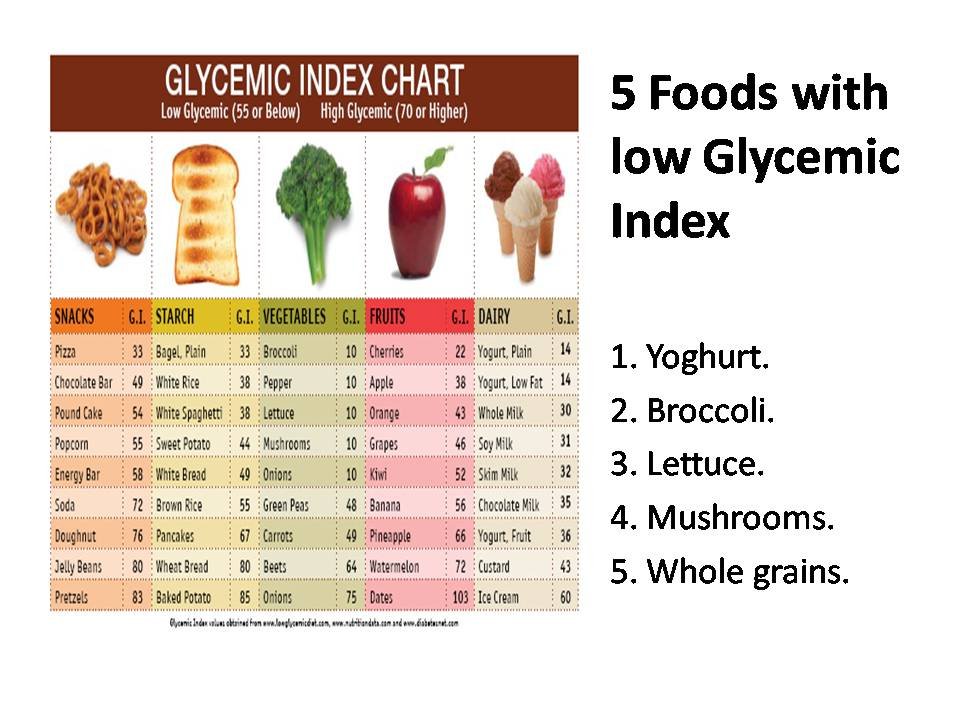
For Indian Diets: Traditional Indian foods like dal (GI 25-45), chana (GI 28), rajma (GI 29), bitter gourd (GI 15), guava (GI 12-24), and basmati rice (GI 50-58) are scientifically validated low-GI choices that align with cultural and religious eating patterns while supporting glycemic control.

Critical Insight: The form and processing of Indian foods dramatically alters GI—ragi flour roti (GI 85) is worse than white rice, but ragi mudde (coarse ball, GI 65-75) may still be acceptable; similarly day-old cooled rice (GI 45-55) has 30% lower GI than freshly cooked rice due to resistant starch formation in day-old-cooled rice.

Difference Between GI and GL
Difference-Between-Glycaemic-Index-and-Glycaemic-Load

ICMR-NIN Recommendations (2025)

The Indian Council of Medical Research – National Institute of Nutrition (ICMR-NIN) 2025 guidelines emphasize:

  1. Replace refined grains (white rice, maida) with whole grains (millets, brown rice, khapli wheat)

  2. Increase legume protein (dal, chana, rajma) to lower overall dietary GI

  3. Prioritize fermented foods (idli, dosa, dhokla) which have 10-15% lower GI than unfermented equivalents

  4. Include resistant starch (cooled rice, raw banana, legumes) to improve insulin sensitivity
Glycemic Index of different foods

Clinical Evidence: Low-GI Diets for Indians

Study 1: ICMR-INDIAB (2025)

  • Participants: 1,200 Indian adults with prediabetes / Intervention: Low-GI diet (GI <55) vs. conventional diet for 6 months

  • Results: HbA1c reduction: -0.8% (low-GI) vs. -0.3% (conventional) / Fasting glucose: -18 mg/dL vs. -6 mg/dL / Postprandial glucose: -42 mg/dL vs. -15 mg/dL

Study 2: CARRS Study (2026)

  • Participants: 8,000 urban Indians (Delhi, Chennai, Bangalore) / Finding: Replacing 1 serving/day of refined grains with legumes reduced diabetes risk by 22% over 5 years

Study 3: Millets vs. Rice RCT (2026)

  • Participants: 150 type 2 diabetics / Intervention: Millet-based diet (kodo, foxtail, barnyard) vs. rice-based diet for 12 weeks / Results: HbA1c: -1.2% (millets) vs. -0.4% (rice) / Fasting insulin: -28% (millets) vs. -8% (rice) / HOMA-IR (insulin resistance): -35% (millets) vs. -10% (rice)


Low-GI Indian Foods: Complete Database (Veg + Non-Veg) (#low-gi-indian-foods)

1. Grains & Cereals {#grains-cereals}

Food (Indian Name)
GI Value
Classification
Serving Size
GL per Serving
Protein (g)
Fiber (g)
Key Notes
Chana Dal (Bengal Gram, split)
8
Low
1 cup cooked (150g)
1.6
20.1
12.2
Lowest GI dal; no soaking needed health
Kodo Millet (Kodrava)
40-45
Low
1 cup cooked (150g)
9
8.3
9.0
Ayurvedic “Kudhanya”; α-amylase inhibitor zenodo
Foxtail Millet (Kangu/Priyangu)
45-50
Low
1 cup cooked (150g)
10
11.2
8.5
Traditional South Indian “thinai” zenodo
Barnyard Millet (Shyamaka)
50-55
Low-Medium
1 cup cooked (150g)
11
11.5
9.8
Highest fiber among millets zenodo
Little Millet (Sawa)
50-55
Low-Medium
1 cup cooked (150g)
11
7.7
7.6
Quick-cooking; “samai” in Tamil zenodo
Brown Basmati Rice
50-52
Low
1 cup cooked (150g)
23
4.5
3.5
Best rice for diabetics; long-grain, aromatic
Parboiled Brown Rice
48-54
Low
1 cup cooked (150g)
22
4.0
3.0
Lowest GI rice; parboiling reduces GI by 20% droracle
Black Rice (Chak-hao)
52-55
Low
1 cup cooked (150g)
24
5.5
4.0
Rich in anthocyanins; Manipuri variety
White Basmati Rice
50-58
Low-Medium
1 cup cooked (150g)
26
3.5
1.5
Best white rice option; lower GI than regular white rice
Day-Old Cooled Rice
45-55
Low-Medium
1 cup cooked (150g)
23
3.0
2.5
Resistant starch forms on cooling; reheat before eating
Khapli Wheat (Emmer)
45-55
Low-Medium
1 roti (40g)
8
5.0
4.5
Best wheat for diabetics; ancient grain, high fiber fittour
Whole Wheat Chapati (Homemade)
55-62
Medium
1 roti (40g)
10
4.0
3.5
Atta matters; stone-ground has lower GI than commercial Atta
Barley (Jau)
25-35
Low
1 cup cooked (150g)
8
5.5
9.0
Lowest GI grain; use in khichdi, soups home.sugarfit
Quinoa
53
Medium
1 cup cooked (150g)
19
6.0
3.5
Complete protein; expensive but effective home.sugarfit
Oats (Steel-Cut, Unflavored)
55
Medium
1 cup cooked (150g)
16
6.0
4.0
Avoid instant oats (GI 75-80) home.sugarfit
Ragi (Finger Millet, Coarse Mudde)
65-75
Medium
1 ball (100g)
25
7.3
11.5
Only acceptable form; finely ground ragi roti has GI 85 (high!) fittour
Jowar (Sorghum)
62-70
Medium
1 roti (40g)
12
4.5
4.0
Drought-resistant; traditional in Maharashtra, Karnataka zenodo
Bajra (Pearl Millet)
65-72
Medium
1 roti (40g)
13
5.0
5.5
Iron-rich; Rajasthan, Gujarat staple zenodo
White Rice (Regular, Short-Grain)
70-90
High
1 cup cooked (150g)
40
2.5
0.5
Avoid; sticky, high-amylopectin varieties
Maida (Refined Wheat Flour)
70-85
High
1 roti (40g)
15
3.0
1.0
Avoid; used in naan, kulcha, biscuits fittour

Key Takeaway: Millets (kodo, foxtail, barnyard, little) and parboiled/brown basmati rice are the best grain choices for Indians seeking low-GI options. Avoid finely ground ragi flour roti (GI 85) – opt for coarse ragi mudde instead.

2. Dals, Legumes & Pulses {#dals-legumes-pulses}

Why Dals Are India’s “Secret Weapon”: Indian pulses have GI 8-45, making them the lowest-GI macronutrient source in the Indian diet. They provide protein + fiber + resistant starch, blunting postprandial glucose spikes when eaten with rice or roti.

Dal (English Name)
Indian Name
GI Value
Classification
Serving Size
GL per Serving
Protein (g/100g dry)
Fiber (g/100g dry)
Verdict
Bengal Gram (Split)
Chana Dal
8
Extremely Low
1 cup cooked (150g)
1.6
20.1
12.2
⭐⭐⭐ Best health
Kidney Beans
Rajma
24-28
Low
1 cup cooked (150g)
7
22.9
6.4
⭐⭐⭐ Excellent health
Chickpeas (Whole)
Kabuli Chana / Chole
28
Low
1 cup cooked (150g)
8
19.3
7.6
⭐⭐⭐ Excellent
Green Gram (Whole)
Sabut Moong
30
Low
1 cup cooked (150g)
6
24.5
8.2
⭐⭐⭐ Excellent
Green Gram (Split)
Moong Dal
29-38
Low
1 cup cooked (150g)
6
24.5
8.2
⭐⭐⭐ Excellent health
Horse Gram
Kulthi Dal
22-28
Low
1 cup cooked (150g)
5
22.0
5.3
⭐⭐⭐ Excellent (traditional, underutilized) health.gheware
Red Lentils
Masoor Dal
25-30
Low
1 cup cooked (150g)
7
25.1
7.6
⭐⭐ Good (fastest-cooking, no soaking)
Pigeon Pea
Toor Dal / Arhar
29-45
Low-Medium
1 cup cooked (150g)
8
21.7
6.6
⭐⭐ Good (most common dal in India)
Black-Eyed Peas
Lobhia / Chawli
33-50
Low-Medium
1 cup cooked (150g)
8
23.5
6.5
⭐⭐ Good
Black Gram (Whole)
Sabut Urad
35-45
Low-Medium
1 cup cooked (150g)
9
24.0
4.8
⭐⭐ Good (used in dal makhani) tap
Black Gram (Split)
Urad Dal
43-55
Medium
1 cup cooked (150g)
10
24.0
4.8
⚠️ Use with caution (higher GI than other dals)
Soy Chunks (Textured Vegetable Protein)
Soya Chunks
18
Low
50g dry (100g cooked)
1
52.0
17.5
⭐⭐⭐ Highest protein, lowest GI yogyaahar
Sprouted Moong
Moong Sprouts
25
Low
1 cup (150g)
3
9.0
4.0
⭐⭐⭐ Excellent (sprouting reduces GI by 15%) yogyaahar
Peanuts (Groundnuts)
Moongfali
14
Low
30g (1 oz)
1
7.3
2.4
⭐⭐⭐ Best snack (low GI, high protein) letsmoderate

Key Takeaway: Chana dal (GI 8) is the lowest-GI dal, followed by rajma (GI 24-28) and moong dal (GI 29-38). Include at least 1 cup of dal daily to lower overall meal GI. Sprouting reduces GI by 15% – add sprouted moong to salads, parathas.

3. Vegetables {#vegetables}

Non-Starchy Vegetables (GI <35): These should form 50% of your plate at every meal. They are low-calorie, high-fiber, and nutrient-dense, with minimal impact on blood sugar.

Vegetable (English)
Indian Name
GI Value
Classification
Serving Size
GL per Serving
Key Nutrients
Best Cooking Method
Spinach
Palak
15
Low
1 cup cooked (180g)
1
Iron, Vitamin K, Folate
Sauté with garlic, dal
Fenugreek Leaves
Methi
15
Low
1 cup cooked (150g)
1
Iron, Vitamin C, Fiber
Methi dal, methi paratha
Mustard Greens
Sarson
15
Low
1 cup cooked (150g)
1
Vitamin K, Calcium
Sarson ka saag
Broccoli
Hari Gobhi
10
Low
1 cup cooked (150g)
1
Vitamin C, Sulforaphane
Stir-fry, soup
Cauliflower
Gobhi
15
Low
1 cup cooked (150g)
1
Vitamin C, Fiber
Gobhi sabzi, cauliflower rice
Cabbage
Patta Gobhi
10
Low
1 cup cooked (150g)
1
Vitamin C, Fiber
Cabbage sabzi, coleslaw
Bitter Gourd
Karela
15
Low
1 cup cooked (150g)
1
Charantin (insulin mimic)
Karela sabzi, juice timesofindia.indiatimes
Bottle Gourd
Lauki / Ghiya
15
Low
1 cup cooked (150g)
1
Potassium, Water
Lauki sabzi, juice
Okra (Ladies Finger)
Bhindi
20
Low
1 cup cooked (150g)
2
Vitamin K, Fiber
Bhindi sabzi
Eggplant (Brinjal)
Baingan
15
Low
1 cup cooked (150g)
1
Anthocyanins, Fiber
Baingan bharta
Tomato
Tamatar
15
Low
1 medium (120g)
1
Lycopene, Vitamin C
Sabzi, salad, soup
Cucumber
Kheera
15
Low
1 medium (150g)
1
Water, Potassium
Salad, raita
Capsicum (Bell Pepper)
Shimla Mirch
15
Low
1 medium (100g)
1
Vitamin C, Antioxidants
Stir-fry, salad
Mushroom
Khumbi
10
Low
1 cup cooked (150g)
1
Vitamin D, Selenium
Stir-fry, soup
Lettuce
Salad Patta
10
Low
1 cup (50g)
0
Water, Vitamin K
Salad
French Beans
French Beans
15
Low
1 cup cooked (150g)
1
Fiber, Vitamin C
Beans sabzi
Carrot (Cooked)
Gajar
35
Low
1 cup cooked (150g)
4
Beta-carotene, Fiber
Gajar sabzi, salad freeindiantools+1
Green Peas
Matar
48
Low
1 cup cooked (150g)
8
Protein, Fiber
Matar sabzi, pulao
Sweet Potato
Shakarkandi
54
Medium
1 medium (150g)
12
Beta-carotene, Fiber
Roasted, boiled (avoid fried) freeindiantools
Beetroot
Chukandar
64
Medium
1 cup cooked (150g)
10
Folate, Nitrates
Salad, juice (limit portion) freeindiantools
Potato (Boiled)
Aloo
78
High
1 medium (150g)
26
Potassium, Vitamin C
Avoid or limit; use sweet potato instead freeindiantools
Potato (Mashed)
Aloo Mashed
87
High
1 cup (150g)
30
Potassium
Avoid (highest GI vegetable) freeindiantools

Key Takeaway: Non-starchy vegetables (palak, methi, gobhi, bhindi, baingan) have GI 10-20 and should be eaten unlimited. Limit starchy vegetables (potato GI 78, beetroot GI 64) to once/week in small portions.

4. Fruits {#fruits}

Fruit Strategy for Indians: Fruits contain fructose (natural sugar) but also fiber, vitamins, and antioxidants. The key is portion control and choosing low-GI varieties. Eat fruits with protein/fat (nuts, yogurt) to blunt glucose spikes.

Fruit (English)
Indian Name
GI Value
Classification
Serving Size
GL per Serving
Key Nutrients
Best Time to Eat
Guava
Amrud
12-24
Low
1 medium (100g)
2
Vitamin C (4x orange), Fiber
Breakfast, snack scribd
Jamun (Indian Blackberry)
Jamun
15-25
Low
10-12 fruits (100g)
3
Anthocyanins, Jamboline (insulin sensitizer)
Summer (empty stomach)
Apple
Seb
36
Low
1 medium (150g)
6
Pectin, Quercetin
Breakfast, snack letsmoderate
Pear
Nashpati
38
Low
1 medium (150g)
6
Fiber, Copper
Snack letsmoderate
Orange
Santra
43
Low
1 medium (150g)
5
Vitamin C, Folate
Breakfast letsmoderate
Peach
Aadoo
42
Low
1 medium (150g)
5
Vitamin A, Potassium
Summer snack letsmoderate
Apricot (Fresh)
Khubani
34
Low
3 fruits (100g)
4
Vitamin A, Iron
Summer snack letsmoderate
Kiwi
Kiwi
50
Low
2 fruits (150g)
7
Vitamin C, Serotonin
Breakfast letsmoderate
Grapefruit
Chakotra
53
Low
½ fruit (150g)
6
Vitamin C, Naringenin
Breakfast (check drug interactions) letsmoderate
Raw Banana
Kacha Kela
42
Low
1 medium (100g)
10
Resistant Starch, Potassium
Cooked as sabzi (not ripe)
Pomegranate
Anaar
53
Medium
½ cup seeds (100g)
9
Punicalagins, Antioxidants
Snack (limit to ½ cup) tap
Mango (Raw, Unripe)
Kaccha Aam
50-55
Medium
½ cup sliced (100g)
8
Vitamin C, Fiber
Summer (avoid ripe) tap
Mango (Ripe)
Paka Aam
55-60
Medium
½ cup sliced (100g)
10
Vitamin A, Sugar
Limit to ½ cup/day; pair with nuts
Pineapple
Ananas
59
Medium
1 cup chunks (150g)
9
Bromelain, Vitamin C
Snack (limit portion) tap
Grapes (Sweet, Black)
Meethe Angoor
59
Medium
15-20 grapes (100g)
10
Resveratrol, Antioxidants
Snack (limit to 15 grapes) tap
Papaya
Papita
60
Medium
1 cup cubes (150g)
7
Vitamin C, Papain
Breakfast (limit portion) tap
Banana (Ripe, Medium)
Paka Kela
51-60
Medium
1 medium (100g)
13
Potassium, Vitamin B6
Limit to 1 small/day; pair with nuts
Banana (Overripe)
Zyada Paka Kela
60-70
Medium-High
1 medium (100g)
15
Sugar, Low Fiber
Avoid (GI increases with ripeness) indianexpress
Watermelon
Tarbooz
72
High
1 cup cubes (150g)
5
Water, Lycopene
Limit to 1 cup; low GL despite high GI tap
Dates (Fresh)
Khajoor
62
Medium
2 dates (50g)
10
Iron, Fiber
Limit to 2/day (high sugar) tap
Dates (Dried)
Sukha Khajoor
70
High
2 dates (50g)
12
Sugar, Iron
Avoid (concentrated sugar) tap
Chikoo (Sapodilla)
Chikoo
70
High
1 medium (100g)
15
Sugar, Fiber
Avoid (very high sugar) tap
Raisins (Dried Grapes)
Kishmish
64
Medium
2 tbsp (30g)
10
Iron, Antioxidants
Limit to 1 tbsp/day tap

Key Takeaway: Guava (GI 12-24), jamun (GI 15-25), apple (GI 36), and raw banana (GI 42) are the best fruits for Indians with diabetes/prediabetes. Limit ripe mango, banana, and avoid chikoo, dried dates due to high sugar content. Always pair fruits with protein/fat (nuts, yogurt) to reduce glucose spikes.

5. Dairy & Dairy Alternatives {#dairy}

Dairy in Indian Diets: Dairy provides protein, calcium, and probiotics but also contains lactose (milk sugar). Fermented dairy (dahi, chaas) has lower GI than milk due to bacterial lactose breakdown.

Food (Indian Name)
GI Value
Classification
Serving Size
GL per Serving
Protein (g)
Fat (g)
Key Notes
Dahi (Yogurt, Plain, Full-Fat)
30
Low
1 cup (200g)
3
10
8
Best dairy option; probiotics, low GI
Chaas (Buttermilk, Unsweetened)
30
Low
1 glass (200ml)
2
6
4
Ideal summer drink; hydrating, low GI pbhealth
Milk (Full-Cream, Cow)
41
Low
1 glass (250ml)
5
8
10
Moderate; pair with nuts/fiber home.sugarfit
Milk (Skimmed, Cow)
37
Low
1 glass (250ml)
4
8
0
Lower GI than full-cream; less fat home.sugarfit
Milk (Buffalo)
45
Low
1 glass (250ml)
6
9
14
Higher fat; limit if overweight home.sugarfit
Paneer (Cottage Cheese)
25
Low
100g
1
18
20
Excellent protein; negligible carbs
Lassi (Unsweetened, Salty)
35
Low
1 glass (200ml)
3
7
6
Avoid sweet lassi (GI 60-70) pbhealth
Cheese (Processed, Low-Sodium)
30
Low
30g (1 slice)
0
7
9
Low carb; watch sodium content home.sugarfit
Soy Milk (Unsweetened)
44
Low
1 glass (250ml)
4
7
4
Vegan alternative; similar GI to cow milk home.sugarfit
Almond Milk (Unsweetened)
30
Low
1 glass (250ml)
1
1
3
Lowest GI milk; low protein home.sugarfit
Khoa (Reduced Milk Solids)
60
Medium
50g
8
10
15
High sugar; limit in sweets pbhealth
Sweetened Flavored Yogurt
60-70
Medium-High
1 cup (200g)
10
8
6
Avoid; added sugar spikes GI pbhealth

Key Takeaway: Dahi (GI 30), chaas (GI 30), and paneer (GI 25) are the best dairy choices for Indians. Avoid sweetened yogurt, sweet lassi, and limit khoa due to added sugar. Full-fat dairy is acceptable in moderation (satiety, fat-soluble vitamins).

6. Non-Vegetarian Foods {#non-veg}

Non-Veg in Indian Diets: Animal proteins (chicken, fish, eggs, meat) have negligible carbohydrates, meaning GI is not applicable. However, cooking methods (fried vs. grilled) and accompaniments (rice, roti) determine overall meal GI.

Food (English)
Indian Name
GI Value
Classification
Serving Size
Protein (g)
Fat (g)
Key Nutrients
Best Cooking Method
Eggs (Boiled)
Uble Ande
N/A (0 carbs)
N/A
2 large (100g)
13
10
Choline, Vitamin D, B12
Boiled, poached (avoid fried) home.sugarfit
Eggs (Omelet, Minimal Oil)
Omelet
N/A (1-2g carbs)
Low
2 eggs (100g)
14
12
Protein, Healthy fats
Cook in ghee, add veggies home.sugarfit
Chicken Breast (Grilled)
Murghi Ka Seena
N/A (0 carbs)
N/A
100g
31
4
Lean protein, B3, B6
Grilled, baked, tandoori (avoid fried) home.sugarfit
Chicken Thigh (Skinless)
Murghi Ki Tang
N/A (0 carbs)
N/A
100g
26
10
Iron, Zinc
Roasted, curry (limit oil) home.sugarfit
Fish (Rohu, Catla)
Meen / Machli
N/A (0 carbs)
N/A
100g
18
6
Omega-3, Vitamin D
Grilled, steamed, curry (coconut milk OK) home.sugarfit
Fish (Salmon, Hilsa)
Hilsa / Salmon
N/A (0 carbs)
N/A
100g
20
13
Omega-3 (EPA, DHA)
Baked, grilled (avoid deep-fried) home.sugarfit
Fish (Sardines, Canned in Water)
Chota Surmai
N/A (0 carbs)
N/A
100g
25
11
Omega-3, Calcium (bones)
Canned, grilled home.sugarfit
Mutton (Lean, Goat)
Bakra / Goat
N/A (0 carbs)
N/A
100g
27
14
Iron, B12, Zinc
Curry (limit oil), grilled (avoid fried) home.sugarfit
Prawns (Jhinga)
Jhinga
N/A (0 carbs)
N/A
100g
24
2
Low-fat protein, Selenium
Grilled, stir-fry home.sugarfit
Crab
Kekda
N/A (0 carbs)
N/A
100g
19
2
Low-fat protein, Copper
Steamed, curry home.sugarfit
Chicken Kebab (Tandoori)
Murghi Kebab
N/A (2-3g carbs)
Low
100g
28
8
Lean protein
Tandoori (avoid malai, seekh with maida) home.sugarfit
Fish Fry (Battered, Deep-Fried)
Meen Fry
~60 (from batter)
Medium-High
100g
15
20
High fat, high GI coating
Avoid; choose grilled instead home.sugarfit
Chicken Biryani (White Rice)
Murghi Biryani
~70 (from rice)
High
1 plate (300g)
20
15
High GI from rice
Limit; use brown basmati
Mutton Korma (with Rice)
Gosht Korma
~65 (from rice + gravy)
Medium-High
1 plate (300g)
25
25
High fat, medium GI
Limit portion; pair with salad pbhealth

Key Takeaway: Eggs, chicken breast, fish (especially oily fish like salmon, hilsa, sardines) are excellent protein sources with no GI impact. Avoid deep-fried, battered preparations (fish fry, chicken pakora) due to high-fat, high-GI coatings. Pair non-veg with low-GI carbs (brown rice, jowar roti, salad) instead of white rice/maida.

7. Snacks & Breakfast Foods {#snacks-breakfast}

Indian Snacks & Breakfast Reality: Traditional Indian breakfast (poha, upma, paratha) and snacks (samosa, kachori, jalebi) are high-GI, refined-carb bombs. However, smart swaps exist.

Food (Indian Name)
GI Value
Classification
Serving Size
GL per Serving
Protein (g)
Fiber (g)
Verdict
Poha (Flattened Rice, with Peanuts)
55-65
Medium
1 plate (150g)
20
5
3
Acceptable if loaded with peanuts, veggies
Upma (Broken Wheat, with Veggies)
52-58
Medium
1 plate (150g)
18
6
4
Good option; add more veggies, less rava
Oats Chilla (with Veggies)
50-55
Medium
2 chillas (100g)
12
8
5
Excellent; high protein, fiber home.sugarfit
Moong Dal Chilla
35-40
Low
2 chillas (100g)
8
12
6
Best breakfast; high protein, low GI yogyaahar
Besan Chilla (Gram Flour)
45-50
Low
2 chillas (100g)
10
10
5
Excellent; gluten-free, high protein yogyaahar
Vegetable Dosa (with Less Rice)
55-65
Medium
1 dosa (100g)
15
4
3
Acceptable; add more dal, less rice
Rava Dosa
61-72
Medium-High
1 dosa (100g)
18
3
2
Limit; high GI from rava pbhealth
Idli (Plain, Steamed)
69
Medium-High
2 idlis (100g)
18
4
2
Limit; pair with sambar (low GI) to reduce overall GI
Idli Sambar
63-75
Medium-High
2 idlis + sambar (200g)
27
6
4
Better than plain idli; sambar lowers overall GI pbhealth
Pesarattu (Moong Dal Dosa)
55-66
Medium
1 dosa (100g)
15
8
5
Good; higher protein than regular dosa pbhealth
Paratha (Whole Wheat, Stuffed with Gobhi/Mooli)
55-65
Medium
1 paratha (60g)
12
5
4
Acceptable; avoid maida, limit oil
Paratha (Maida, Aloo Stuffed)
70-80
High
1 paratha (60g)
18
4
2
Avoid; maida + potato = double GI hit fittour
Samosa (Aloo, Deep-Fried)
70-80
High
1 samosa (100g)
25
5
3
Avoid; refined flour + potato + oil freeindiantools
Kachori (Aloo, Deep-Fried)
75-85
High
1 kachori (100g)
28
4
2
Avoid; worst snack option freeindiantools
Jalebi
80
High
2 pieces (100g)
35
2
1
Avoid; pure sugar + maida freeindiantools
Dhokla (Fermented, Steamed)
55-60
Medium
2 pieces (100g)
15
6
3
Acceptable; fermentation lowers GI journalijar
Khandvi (Fermented, Steamed)
55-60
Medium
2 rolls (100g)
14
5
3
Acceptable; similar to dhokla journalijar
Thepla (Gujarati, Whole Wheat)
55-62
Medium
1 thepla (60g)
12
5
4
Good; whole wheat, portable fittour
Makhana (Fox Nuts, Roasted)
20-25
Low
30g (1 oz)
2
4
2
Best snack; low GI, high protein letsmoderate
Roasted Chana (Bhuna Chana)
28-35
Low
30g (1 oz)
3
7
4
Excellent snack; crunchy, filling tap
Mixed Nuts (Almonds, Walnuts, Pistachios)
15-25
Low
30g (1 oz)
1
7
4
Best snack; healthy fats, protein letsmoderate
Fruit Chaat (with Yogurt)
40-50
Low-Medium
1 cup (150g)
10
4
3
Good; pair fruits with dahi to lower GI tap
Sprouts Chaat
30-35
Low
1 cup (150g)
5
9
5
Excellent; high protein, fiber yogyaahar

Key Takeaway: Moong dal chilla (GI 35-40), besan chilla (GI 45-50), makhana (GI 20-25), and roasted chana (GI 28-35) are the best low-GI snacks/breakfast options. Avoid samosa, kachori, jalebi, and aloo paratha due to high GI from maida and potato.

High-GI Indian Foods to Limit or Avoid {#high-gi-foods}

Foods with GI ≥70 should be avoided or strictly limited (once/week, small portions) in Indian diets for diabetes/prediabetes management.

Food Category
High-GI Foods (Avoid/Limit)
GI Range
Why to Avoid
Better Alternative
Grains
White rice (short-grain, sticky), Maida (refined flour), Instant oats
70-90
Rapid glucose spike, high insulin demand
Brown basmati, khapli wheat, steel-cut oats
Breakfast
Aloo paratha (maida), Poori, Kachori, Jalebi
70-85
Refined flour + potato + oil = triple hit
Moong dal chilla, oats chilla, vegetable poha
Snacks
Samosa, Pakora, Bhujia, Namkeen (maida-based)
70-80
Deep-fried, refined flour, trans fats
Roasted chana, makhana, mixed nuts
Vegetables
Boiled potato, Mashed potato, Pumpkin (excess)
78-87
High starch, low fiber
Sweet potato (boiled), lauki, gobhi
Fruits
Overripe banana, Chikoo, Dried dates, Watermelon (excess)
60-72
Concentrated sugar, low fiber
Guava, jamun, apple, raw banana
Sweets
Jalebi, Gulab jamun, Barfi, Ladoo (sugar-based)
75-85
Pure sugar + ghee = calorie bomb
Dark chocolate (85%+), fruit with nuts
Beverages
Sweet tea, Sweet coffee, Packaged juices, Sweet lassi
60-75
Liquid sugar = fastest spike
Chaas (unsweetened), black coffee, green tea
Ready-to-Eat
Instant noodles, Packaged soups, Frozen parathas
70-85
Refined flour, preservatives, high sodium
Homemade khichdi, dal-chawal, salad

Key Takeaway: White rice, maida, potato, sugar-based sweets, and deep-fried snacks are the top 5 high-GI culprits in Indian diets. Replace with brown basmati, khapli wheat, sweet potato, dark chocolate, and roasted chana.


References & Scientific Sources {#references}

Grade A Evidence (Systematic Reviews, RCTs, ICMR Guidelines):

  1. ICMR-NIN (2025). Carbohydrate profiling & glycaemic indices of selected traditional Indian foods. Indian Journal of Medical Research.ijmr.org

  2. Anjana RM, et al. (2025). Dietary profiles and associated metabolic risk factors in Indian adults. Nature Medicine.nature

  3. Sushrutokta Kudhanyas Study (2026). Critical Evaluation of Role of Millets In Management of Obesity and Diabetes Mellitus. Zenodo.zenodo

  4. FitTour (2026). Indian Diet Plan for Diabetes 2026 — Veg & Non-Veg | CGM Data. fittour

  5. FreeIndianTools (2026). Glycemic index of Indian foods — full GI chart.freeindiantools

  6. Journal of Food Research & Health (2026). Indian Food Database for Diabetes: 30+ Foods With GI, Carbs and Fiber Data.jforh

  7. EatHealthy365 (2026). Which Rice Has the Lowest Glycemic Index? A Full Guide.eathealthy365

  8. GlycemicSnap (2026). Rice Glycemic Index Chart: Every Variety Ranked (GI 50-89).glycemicsnap

  9. PBHealth (2026). Glycemic Index and Glycemic Load Chart of Indian Foods.pbhealth

  10. Tap Health (2025). Low Glycemic Index Rice in India: Best Varieties for Diabetics.tap

  11. Sugar.Fit (2026). Glycemic Index Chart of Indian Foods.home.sugarfit

  12. Journal of Indian Academy of Research (2026). Investigating The Role Of Traditional Indian Diets In Diabetes Risk.journalijar

  13. DrOracle (2026). Which rice varieties have the lowest glycemic index?droracle

  14. ScienceInsights (2026). Is Basmati Rice Low Glycemic? What the GI Data Shows.scienceinsights

  15. LetsModerate (2023). Indian Glycemic Index Food Chart (Low, Medium and High).letsmoderate

  16. Indian Express (2025). 5 fruits pre-diabetic and diabetic people must avoid (and try these alternatives instead).indianexpress

  17. TarlaDalal (2025). List of Low GI (Glycemic Index) Indian Veg Foods.tarladalal

  18. Gheware Health (2026). Best Dals & Lentils for Diabetics: Complete Indian Guide (2026).health.gheware

  19. Tap Health (2025). High Glycemic Fruits: Indian Guide for Blood Sugar Control.tap

  20. Scribd (2026). GI Chart Indian Foods Expanded.scribd

  21. Plant-Powered Living (2025). GI – GL reference chart to track Glycemic Index and Load of Fruit.plant-powered-living

  22. Times of India (2025). Does eating ‘roti and sabzi’ increase blood sugar? What diabetic patients must know.timesofindia.indiatimes

  23. Tap Health (2025). Glycemic Index of Pulses: Why Dal Is the Secret Weapon for Diabetics.tap

  24. Yogyaahar (2026). Glycemic Index of Indian Foods: Complete Guide.yogyaahar

  25. Scribd (2025). Indian Foods Glycemic Load Chart Extended.scribd

  26. Organic Mandya (2026). Masoor Dal (Red Lentil) — Nutrition, Iron & Benefits.know.organicmandya

  27. Scribd (2026). Glycemic Index of Indian Foods.scribd

  28. ClearCals (2026). Complete Indian Food List with GI Values.clearcals


Disclaimer: This article is for educational purposes only and does not constitute medical advice. Consult a healthcare provider before making significant dietary changes, especially if you have diabetes, prediabetes, or other medical conditions. GI values mentioned here are only averages and may vary based on cooking method, ripeness, processing and individual metabolism. Do your own due dilligence pls.

More from the blog

Osteoporosis and Fractures Diet Guide: Low Oxalate Meal Plan for Indians

If you are a PURE Vegetarian - this write up and every single word of this, greatly helps you understand the inherent risk of...

Anti-Nutrient Crisis: High Oxalates and Low Calcium cause Increased Bone Fractures in Indians

As part of our Evidence-Explained™ - we present you learnings from a long, 20 years running clinical study on Osteoporosis and Fractures in Americans...

Efficacy of Vitamin K2 (MK-7) on Linear Growth in Children: Addressing Growth Deficit in Indian Children

Height and Bone Developments in Children Childhood linear growth represents a sensitive biomarker of cumulative somatic health, adequate cellular nutrition, and harmonious skeletal development. Globally—and within...

Role of Vit K2 in Arterial Health, Inter99 Study & Vit K2 Deficiency in Indians

If you love your Heart and care for your Heart Health - you won't miss a word of this special series on Heart Health...