



If we all know and understand 1 Vitamin – that has to be Vit C but Do we really need a 1,000 mg vitamin C tablet every day, or is that just clever marketing? What benefits can we expect from 1,000 mg daily..
It’s one of the most common questions in vitamin supplementation—and is one of the most misunderstood. Lets try and decipher this.
Vitamin C has long been associated with stronger immunity, faster wound healing and protection against the common cold – every Mom knows and passes this info to her child.
Yet the latest research published through 2026 paints a slightly more balanced picture. While vitamin C remains an essential nutrient, more amy not always be better, and the ideal intake depends on your age, diet, health status and lifestyle. Here’s what the latest evidence says about how much vitamin C you really need.
Why Vitamin C Is So Important
Vitamin C, also known as ascorbic acid, is a water-soluble vitamin that humans cannot produce naturally. Unlike most mammals, we must obtain it every day from food or supplements. Vitamin C plays several vital roles in the body:
-
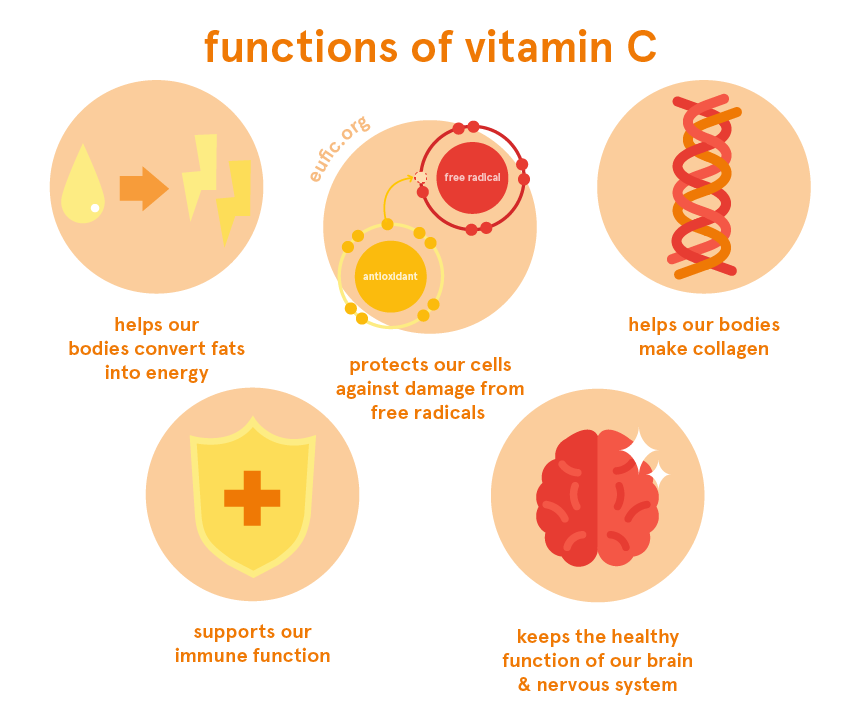
Supports normal immune function
-
Essential for collagen production in skin, bones, cartilage and blood vessels
-
Helps wounds heal
-
Acts as a powerful antioxidant that protects cells from oxidative stress
-
Improves absorption of non-haem iron from plant foods
-
Supports normal production of certain neurotransmitters and carnitine, which helps convert fat into energy.
Without enough vitamin C, deficiency develops over time, eventually leading to scurvy, a disease characterised by fatigue, bleeding gums, poor wound healing and fragile blood vessels. Although severe deficiency is uncommon today, mild vitamin C insufficiency still occurs in people with poor diets, older adults, smokers and individuals with chronic illnesses.
How Much Vitamin C Do Adults Need?
Current evidence continues to support moderate daily intakes for most healthy adults. Recommended daily intakes are:
-
Adult men: 90 mg/day
-
Adult women: 75 mg/day
-
Pregnancy: approximately 85 mg/day
-
Breastfeeding: approximately 120 mg/day
-
Smokers: require an additional 35 mg/day because smoking increases oxidative stress and accelerates vitamin C turnover.
These recommendations are designed to maintain healthy body stores and support normal physiological functions—not to maximise blood concentrations through high-dose supplementation.
Can You Get Enough From Food?
For most people, yes. A balanced diet rich in fruits and vegetables easily provides the recommended intake. Excellent food sources include:
-
Guava
-
Amla (Indian gooseberry)
-
Oranges
-
Kiwi
-
Strawberries
-
Papaya
-
Red and yellow bell peppers
-
Broccoli
-
Tomatoes
-
Cabbage
In India, amla is one of the richest natural sources of vitamin C, while citrus fruits, guava and fresh vegetables also contribute significantly. Recent nutrition experts continue to emphasise that obtaining vitamin C from whole foods provides additional benefits through fibre, flavonoids and other protective plant compounds that supplements cannot fully replicate.
Does Taking More Vitamin C Improve Health?
This is where the science has become clearer. For years, many people believed that taking 500 mg, 1,000 mg or even higher doses every day would dramatically improve immunity and prevent illness.
The evidence is evolving to fully support that belief. Large systematic reviews show that people with adequate vitamin C intake generally do not gain major additional health benefits simply by taking very high-dose supplements. Instead, the greatest benefits occur when vitamin C corrects an existing deficiency or inadequate intake.
Recent research also suggests that increasing dietary vitamin C—not necessarily high-dose supplements—is associated with lower risks of several chronic diseases and better overall health outcomes, although these findings do not prove cause and effect.
What Does the 2026 Research Tell Us?
Research published in 2026 reinforces several important messages. Full copy of this Publication – Vit C Comprehensive Review
A major review highlighted vitamin C’s essential roles in iron absorption, immune function, collagen synthesis and antioxidant protection, while also showing that food processing, storage and cooking can significantly reduce vitamin C content in fruits and vegetables.
An umbrella review of earlier clinical studies continues to support modest health benefits from adequate vitamin C intake, including favourable associations with cardiovascular health and several other health outcomes, while cautioning that routine high-dose supplementation for everyone is not supported by strong evidence.
Emerging research in oncology is also exploring high-dose intravenous vitamin C as an adjunct to cancer treatment. However, these medical therapies use pharmacological doses administered under specialist supervision and should not be confused with over-the-counter oral supplements.
Older studies – such as this one from 2010 – was categorical in health benefits of Vit C 500 mg Twice a Day.
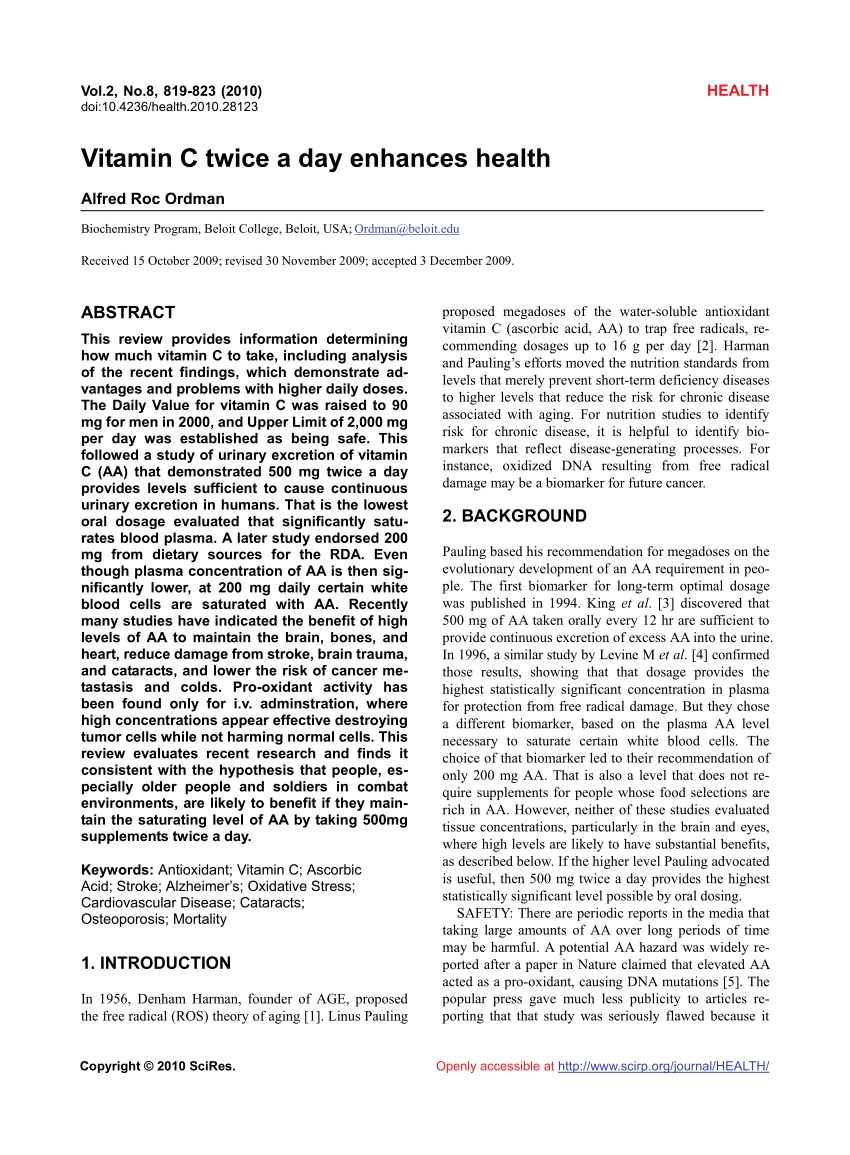
Vitamin_C_twice_a_day_enhances_health
Vitamin C and Iron Absorption
One area where vitamin C has consistently demonstrated important benefits is iron absorption. Vitamin C converts non-haem iron from plant foods into a form that is easier for the body to absorb. This is particularly relevant in India, where many diets rely heavily on cereals, pulses and vegetables rather than haem iron from meat.
Simple combinations such as adding lemon juice to dal, eating guava with meals or including tomatoes in iron-rich dishes can significantly improve iron absorption and may help reduce the risk of iron deficiency when combined with an otherwise balanced diet.
Who May Benefit From Supplements?
Although many people obtain sufficient vitamin C through diet, supplementation may be appropriate for:
-
People with very low fruit and vegetable intake
-
Older adults with poor dietary diversity
-
Smokers
-
Individuals with malabsorption disorders
-
Certain gastrointestinal diseases
-
Patients undergoing dialysis
-
People recovering from severe illness or surgery under medical advice
For these groups, supplements can help correct deficiency when dietary intake alone is insufficient.
Can You Take Too Much?
Vitamin C is water-soluble, so excess amounts are usually excreted in urine. However, more is not always harmless. The established Tolerable Upper Intake Level (UL) for adults is 2,000 mg per day.
Consistently exceeding this level may increase the risk of:
-
Diarrhoea
-
Stomach cramps
-
Nausea
-
Bloating
-
Increased risk of kidney stones in susceptible individuals