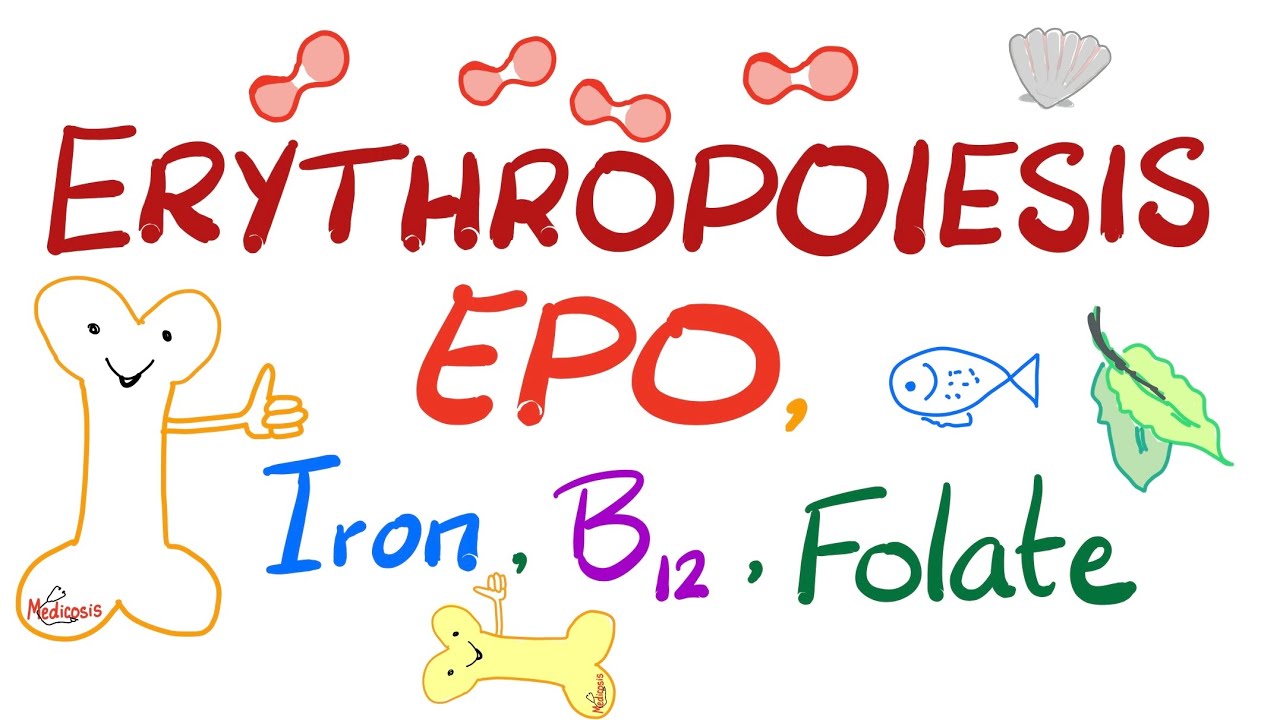


Iron, folate, and vitamin B12 are essential nutrients that work together to make and mature red blood cells. Their metabolism is tightly controlled because even small deficiencies can impair oxygen delivery and DNA synthesis, leading to anemia

Iron intake and absorption
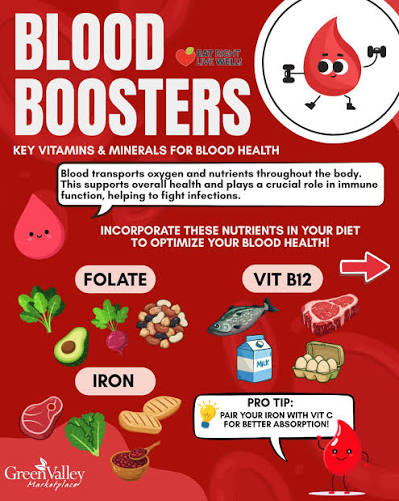
Most adults need 10–20 mg of dietary iron per day, but only 3–15% is absorbed in the small intestine. Iron from meat (heme iron) is absorbed much more efficiently than iron from plants (non-heme iron). Stomach acid helps convert ferric iron (Fe³⁺) to its absorbable ferrous form (Fe²⁺). Example: Vitamin C enhances absorption by reducing Fe³⁺ to Fe²⁺, while anti-nutrients such as phytates in grains or excess calcium reduce iron uptake. Now you may now why Doctors have started suggesting Iron supplements together with Vit C supplements or suggest using Vit C rich foods while using an iron supplement.
Iron transport and storage
Once absorbed, iron binds to transferrin, the blood’s transport protein, and is delivered to tissues like the bone marrow for red blood cell production. Surplus iron is stored in the liver as ferritin and hemosiderin. The hormone hepcidin from the liver regulates iron export—high levels block release, preventing overload. Example: In chronic inflammation, hepcidin rises, trapping iron in macrophages and leading to “anemia of chronic disease.”
Iron recycling
When red blood cells break down, macrophages in the spleen and liver recover the iron from hemoglobin and return it to circulation. This recycling process supplies most of the daily iron needed for new red blood cell formation. Example: The body recycles about 25 mg of iron each day, far exceeding the amount absorbed from food.
Folate and vitamin B12 absorption
Folate is absorbed in the small intestine, while vitamin B12 requires intrinsic factor from the stomach for uptake in the ileum. Both nutrients are stored in the liver and used for DNA synthesis in developing red blood cells. Vitamin B12 intake averages just 1 microgram daily, but liver stores (≈2–5 mg) can last for years, while folate stores deplete within months if intake falls.