


This is Part 2 of Our Special, Evidence-Explained, 4-Part Series on Knee Health and Knee Osteoarthritis and potential prevention of knee replacements. For Part 1 of the Series, Please click here.
Can high blood sugar and advanced glycation end products affect cartilage? Understand the science of glycation, diabetes and osteoarthritis—and what remains unproven. Chronic joint pain isn’t always caused by age or injury. This Part 2 of our 4-Part Series explains, how sugar triggers glycation, damages collagen, accelerates cartilage breakdown, and contributes to arthritis, disc degeneration, and joint stiffness.
Is Sugar Aging Your Joints Faster Than Time?
Most people blame age when their joints begin to hurt. Others blame old sports injuries, long hours sitting at a desk, or years of wear and tear.
While these factors certainly matter, there is another contributor that often goes unnoticed: your daily lifestyle habits – What you eat, drink, and do every day can either support your body’s ability to heal—or slowly contribute to its breakdown.
Two of the biggest offenders are excessive sugar consumption and regular alcohol intake. Over time, these habits can affect inflammation, collagen health, cartilage, spinal discs, tendons, ligaments, bone quality, and the body’s natural ability to recover.
A knee joint can become painful and stiff even when a person has never suffered a major injury. One possible contributor is the gradual accumulation of molecular changes in cartilage and other joint tissues.
Among the processes under investigation is glycation, a set of chemical reactions in which sugars or sugar-derived compounds react with proteins. Over time, some reactions produce advanced glycation end products, commonly called AGEs.
This subject matters a lot in India, where diabetes and metabolic disorders are major, massive public-health concerns.
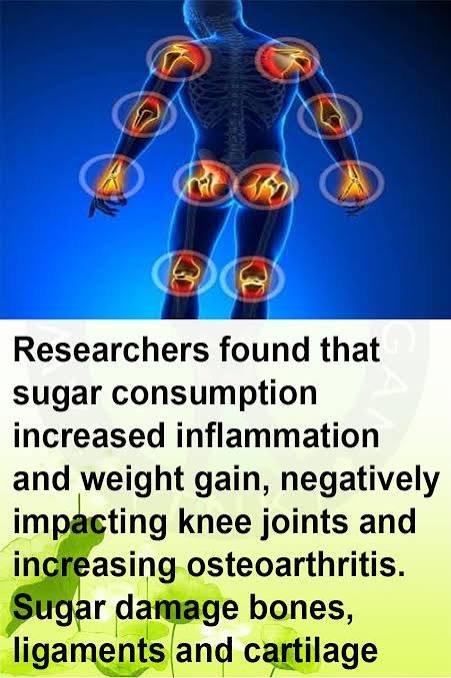
What Actually is Glycation?
One of the most overlooked processes affecting musculoskeletal health is called glycation – often overlooked, even by Orthopaedics and if your Orthopaedic hasn’t shared these details with you as yet, he may share soon.
Glycation occurs when sugar molecules, particularly glucose and fructose, attach themselves to proteins and fats without the help of enzymes. Proteins are built from amino acids and perform structural and functional roles throughout the body.
This GLYCATION reaction creates harmful compounds known as Advanced Glycation End Products (AGEs). Glycation is not the same as enzymatic glycosylation, the controlled process cells use to attach sugar groups to molecules. Glycation is generally a non-enzymatic chemical reaction.
Advanced Glycation End Products (AGEs) arise inside the body, and some are also ingested in food. The amounts and biological effects of AGEs depend on the compound, its source, the food matrix, cooking method, absorption, metabolism and clearance.
As AGEs accumulate, they:
-
Stiffen collagen fibers
-
Reduce tissue elasticity
-
Increase chronic inflammation
-
Interfere with normal tissue repair
-
Accelerate cartilage breakdown
-
Weaken tendons and ligaments
Because collagen is one of the most important structural proteins in the body, glycation can affect nearly every joint, disc, tendon, ligament, and connective tissue from head to toe. Over time, tissues lose their flexibility, resilience, and ability to absorb force.
Why Cartilage is Scientifically Interesting
Articular cartilage covers the ends of bones in movable joints. Its collagen network gives the tissue structural integrity, while proteoglycans and water help it resist compression.
Unlike many other tissues, cartilage has limited blood supply and relatively slow matrix turnover. Some collagen components persist for many years. Long-lived proteins can accumulate chemical modifications, including glycation-related changes.

Researchers have investigated whether AGE accumulation can alter cartilage stiffness, affect chondrocyte function and influence how cartilage responds to mechanical loads. Experimental and observational findings support biological plausibility, but they do not establish that glycation is the sole or dominant cause of osteoarthritis in an individual.
Cartilage ageing also involves collagen breakdown, altered proteoglycans, cell senescence, inflammatory signalling, mechanical injury and changes in the underlying bone and joint lining.
Sugar is the fuel. Protein is the BUILDING BLOCK
Many people consume plenty of fuel (sugar / carbohydrates) but not enough building blocks (proteins and specifically, animal proteins) – especially Indians and more particularly Indian women.
Without adequate protein, the body has fewer raw materials available to maintain and repair:
-
Muscles that stabilize the spine
-
Tendons and ligaments that support joints
-
Cartilage that cushions movement
-
Intervertebral discs that absorb shock
-
Bone tissue that continually remodels
-
Connective tissues that help maintain posture
At the same time, excessive sugar / carbohydrates’ intake may contribute to inflammation and glycation, creating a double challenge for recovery. The body receives fewer building blocks (proteins) while the tissues themselves become less capable of repairing damage.
How Glycation Damages the Body From Head to Toe
Knee and Hip Joints – The knees and hips absorb enormous forces every day. Healthy cartilage and connective tissues allow these joints to move smoothly and absorb impact.
When AGEs accumulate, cartilage becomes less resilient and more vulnerable to damage. Over time this may contribute to:
-
Osteoarthritis
-
Meniscus degeneration
-
Hip labral injuries
-
Chronic knee pain
-
Reduced mobility
Shoulder Joint and Rotator Cuff – The shoulder depends heavily on healthy collagen structures. As glycation increases, tendons and connective tissues become less flexible and more susceptible to injury. This may contribute to:
-
Rotator cuff tendinopathy
-
Shoulder impingement
-
Tendon tears
-
Frozen shoulder
-
Chronic inflammation
Spinal Joints and Intervertebral Discs – The spine depends on collagen-rich discs and ligaments to remain strong and flexible. Glycation can:
-
Stiffen collagen fibers
-
Reduce disc hydration
-
Impair nutrient exchange
-
Increase susceptibility to degeneration
Does Diabetes Mean You will Develop Knee Osteoarthritis?
Having diabetes does not mean you will definitely develop knee osteoarthritis (OA), but it significantly increases your risk.
The Direct Connection
-
Higher Risk: Research shows that people with type 2 diabetes have a much higher prevalence of osteoarthritis—roughly 50% compared to about 27% in people without diabetes
-
Independent Factor: Diabetes is an independent risk factor for knee OA progression and worse joint pain, even after adjusting for body mass index (BMI) and age
-
Joint Damage: Chronic high blood sugar (hyperglycemia) leads to the accumulation of advanced glycation end products (AGEs), which stiffen joint collagen, weaken cartilage, and increase inflammation
For Indians at risk of diabetes, established preventive care remains critically important for its broad health benefits: appropriate physical activity, dietary quality, weight management when indicated and clinical screening based on individual risk.

Can we Reduce Glycation and AGEs by Changing Our Diet?
Certainly, for some exposures and biomarkers—but the clinical implications are being explored.
Food composition and preparation can influence the amount of AGE compounds formed during cooking. Dry, high-temperature cooking and browning (frying in cheap oils) can increase the formation of certain AGEs compared with moist cooking methods. Yet food AGE content is not a simple proxy for how much reaches a particular tissue or causes harm.
Reducing heavily browned foods (samosa, kachoris and vadas) and favouring a varied dietary pattern with animal meats, eggs, pulses and appropriate vegetables may be reasonable dietary choices.
The same caution applies to dietary sugar. Limiting excessive added sugar is sensible not only for general metabolic health, but certainly for your Joint Health. Focus should be on increasing protein consumption and reducing carbs in diets.
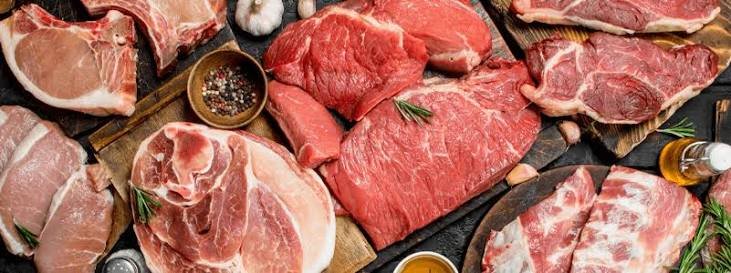

The Carnosine Question
Carnosine is a naturally occurring dipeptide found in skeletal muscles and in foods such as meat / mutton. Experiments suggest that it can react with certain reactive carbonyl compounds and influence glycation-related chemistry and avoid glycation process.
This creates a plausible research question: could dietary carnosine or supplementation alter relevant metabolic pathways in humans, and could any such effect improve joint outcomes?
But the ability to prevent glycation / neutralise glycation by Carnosine (animal meats) depends upon:
-
The amount of carnosine consumed in a meal
-
Digestion and metabolism affect exposure to intact carnosine and its constituent amino acids
-
Even a measurable change in cartilage biology would need to produce meaningful benefits in pain, mobility or disease progression
These questions and some more, are the focus of our Part 3 of this 4-Part Series on Knee Health and how to potentially prevent knee osteoarthritis. Part 3 also examines whether mutton / animal meats can deliver a clinically meaningful joint-health benefit, rather than assuming that a biochemical mechanism proves one.
Key Take aways
Joint degeneration is not simply a consequence of getting older. The body is constantly breaking down old tissues and building new ones. The quality of that rebuilding process depends on the environment we create every day.
Excess sugar may accelerate glycation and inflammation. Poor nutrition may leave the body without the critical building blocks (animal proteins / carnosine) it so desperately needs. Together, these factors can influence the health of your joints, discs, muscles, ligaments, tendons, and connective tissues.
Your body is not made from sugar. It is built from the nutrients, movement, sleep, and recovery habits you practice every day.
For Indians, the useful response is to protect overall metabolic health, remain physically active within individual limits, maintain muscle strength by increasing animal meats consumption and seek timely assessment for persistent knee symptoms. Don’t miss Part 3 of the Series. Take care of your joints..
Further reading
-
Singh et al., Indian osteoarthritis burden analysis: https://doi.org/10.1016/j.joca.2022.05.004
-
NICE osteoarthritis management guidance: https://www.nice.org.uk/guidance/NG226/chapter/recommendations