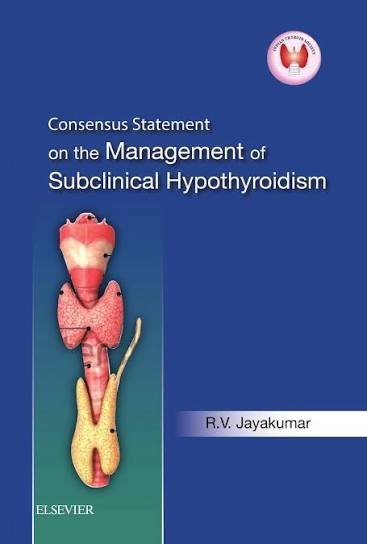



Sole ojective of these write ups is to help Indians understand COMMON Nutritional Deficiencies and take care of their own health, leading ultimately to, hopefully, No Visits to Hospitals. In our endeavor, we share details on yet another very common health issue in Indians – Thyroid Issues. This is Part 1 of 2-Part Series. Have a look at evidence.
Why Thyroid Disorders Are So Common in India: The Nutrient Connection and What You Must Do to Stay Healthy.
Growing Burden of Thyroid Issues in India
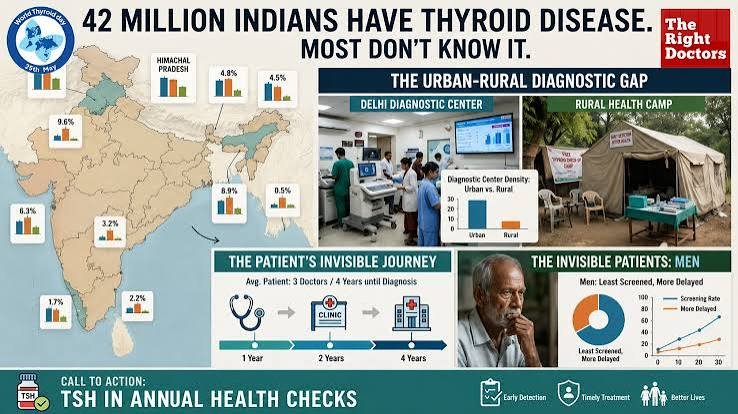
Thyroid disorders affect approximately 10.9% of adults in India, making hypothyroidism the most frequent condition. Women, older adults, and individuals with autoimmune tendencies face the highest risk.
Epidemiology in India
- High Prevalence: Roughly 1 in 10 adults suffers from hypothyroidism, alongside a significant burden of subclinical hypothyroidism (8–10%) and hyperthyroidism (1.3–1.6%). Subclinical means No-Overt Symptoms.
- Gender Gap: Women experience thyroid dysfunction at nearly double the rate of men, with autoimmune thyroiditis affecting 10–12% of women of reproductive age
-
Age Factor: Prevalence climbs steadily as people age, particularly peaking in adults over 55 Years of age
Thyroid – Master Regulator
The thyroid gland weighs barely 20 grams, yet it influences almost every cell in the human body. From controlling metabolism and body temperature to regulating heart rate, brain function, fertility, growth and energy production, this small butterfly-shaped gland plays a remarkably important role in maintaining health.
When the thyroid does not function normally, the effects can be widespread. Fatigue, unexplained weight gain, hair loss, constipation, depression, poor concentration, menstrual irregularities and infertility are just some of the symptoms associated with thyroid disorders.
India is experiencing a growing burden of thyroid disease. Millions of people are living with hypothyroidism, autoimmune thyroiditis, thyroid nodules or subclinical thyroid dysfunction, and many remain undiagnosed for years because symptoms develop gradually and are often mistaken for stress, ageing or nutritional deficiencies. This has naturally led many people to ask an important question: Can vitamins and minerals improve thyroid health?
The scientific answer is yes—but with important qualifications. Certain vitamins and minerals are essential for the production, activation and regulation of thyroid hormones. Correcting deficiencies can improve thyroid function in people who are deficient. However, nutritional supplements are not a substitute for evidence-based medical treatment in conditions such as overt hypothyroidism or hyperthyroidism.
Why Is the Thyroid So Important?
The thyroid gland produces two hormones:
-
Thyroxine (T4)
-
Triiodothyronine (T3)
Although T4 is produced in much larger quantities, T3 is the biologically more active hormone responsible for most thyroid actions within tissues. These hormones regulate numerous physiological processes, including:
-
Basal metabolic rate
-
Energy production
-
Brain development
-
Heart function
-
Muscle performance
-
Body temperature
-
Cholesterol metabolism
-
Bone health
-
Fertility
-
Growth and development
Even small changes in thyroid hormone levels can influence multiple organ systems simultaneously.
How the Body Makes Thyroid Hormones
The production of thyroid hormones depends on a carefully coordinated sequence involving the brain, pituitary gland and thyroid gland.
The process begins in the hypothalamus, which releases thyrotropin-releasing hormone (TRH). TRH stimulates the pituitary gland to release thyroid-stimulating hormone (TSH).
TSH then acts on the thyroid gland, encouraging it to absorb iodine and produce T4 and T3. As blood concentrations of thyroid hormones rise, they signal the brain to reduce TSH production.
This elegant negative feedback system maintains stable thyroid hormone concentrations throughout life. When this system is disrupted—by autoimmune disease, iodine deficiency, nutrient deficiencies or thyroid damage—TSH and thyroid hormone levels begin to change.
Nutrition: An Essential Part of Thyroid Physiology
Most people know that iodine is important for thyroid health. Far fewer realise that thyroid hormone production depends on multiple nutrients working together.
Think of the thyroid gland as a sophisticated manufacturing plant. Iodine provides one of the raw materials. However, numerous enzymes, transport proteins and antioxidant systems also require other vitamins and minerals to function efficiently. Without these nutrients, thyroid hormone production, activation and regulation may become less efficient.
Among the most important nutrients are:
-
Iodine
-
Selenium
-
Iron
-
Zinc
-
Vitamin D
-
Vitamin B12
-
Vitamin A
-
Magnesium
Each plays a different role. Some help manufacture thyroid hormones. Others activate hormones inside tissues. Some protect thyroid cells against oxidative damage. Others support immune regulation, which is particularly relevant in autoimmune thyroid diseases such as Hashimoto’s thyroiditis.
Iodine: Essential—but Not the Whole Story
Iodine remains the best-known nutrient involved in thyroid function. The thyroid uses iodine to produce both T4 and T3. Without sufficient iodine, hormone production falls, causing TSH to rise and the thyroid gland to enlarge in an attempt to capture more iodine from the bloodstream.
Historically, iodine deficiency caused widespread endemic goitre across many parts of India. The introduction of universal salt iodisation has dramatically reduced severe iodine deficiency disorders. However, modern thyroid disease is increasingly influenced by factors beyond iodine alone.
Researchers now recognise that both iodine deficiency and excessive iodine intake can affect thyroid health, particularly in individuals predisposed to autoimmune thyroid disease. Maintaining adequate—not excessive—iodine intake remains the goal.
Selenium: The Thyroid’s Protective Mineral
The thyroid contains one of the highest concentrations of selenium in the human body. This is no coincidence. Producing thyroid hormones generates reactive oxygen species as natural by-products. Selenium-dependent enzymes help neutralise these molecules, protecting thyroid tissue from oxidative injury.
Selenium is also required for enzymes called iodothyronine deiodinases, which convert relatively inactive T4 into biologically active T3. Without adequate selenium, this conversion may become less efficient.
Over the past two decades, selenium has become one of the most extensively studied nutrients in autoimmune thyroid disease.
Iron: An Overlooked Nutrient for Thyroid Function
Iron deficiency is one of the commonest nutritional deficiencies in India. Its relationship with thyroid function is often overlooked. Iron is required for the activity of thyroid peroxidase (TPO)—the key enzyme responsible for incorporating iodine into thyroid hormones.
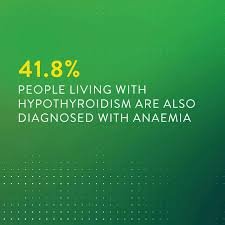
When iron stores are low, thyroid hormone synthesis may become less efficient. Several studies suggest that iron deficiency may worsen hypothyroidism and reduce the effectiveness of iodine supplementation in iodine-deficient populations. This is particularly relevant for Indian women, among whom iron deficiency anaemia remains highly prevalent.
Zinc: Supporting Hormone Production and Action
Zinc participates in hundreds of enzymatic reactions throughout the body. It also contributes to normal thyroid hormone metabolism and the function of thyroid hormone receptors inside cells. Although severe zinc deficiency is uncommon, marginal deficiency may occur in individuals with poor dietary intake, gastrointestinal disorders or chronic illness.
Some studies have reported improvements in thyroid hormone levels after correcting zinc deficiency, but overall evidence remains moderate rather than conclusive.
Vitamin D and Autoimmune Thyroid Disease
Vitamin D is best known for maintaining healthy bones, but it also plays a significant role in regulating immune function. This has generated considerable interest because the commonest cause of hypothyroidism in iodine-sufficient populations is Hashimoto’s thyroiditis, an autoimmune disease in which the immune system attacks the thyroid gland.
Numerous observational studies have reported lower vitamin D levels in patients with Hashimoto’s thyroiditis. Whether vitamin D deficiency contributes directly to the disease—or simply reflects underlying illness—remains an active area of research.
Current evidence supports correcting vitamin D deficiency for overall health, but its specific role in improving thyroid outcomes is still being investigated.
Why Indians May Be Especially Vulnerable
A simple read of the preceeding information on importantance of certain Vitamins and Minerals brings to light why Indians have increasing burden of Thyroid issues, only because a vast majority of Indians are nutritionally deficient in Vit B12, Iron, Zince, Selenium and Vitamin D3.
Several factors increase the likelihood of nutrient deficiencies affecting thyroid health in India. These include:
-
Thoroughly, Hopelessly Vegetarian or low-diversity diets which are “calorie sufficient but nutrients deficient”
-
Iron deficiency, particularly among women
-
Vitamin B12 deficiency
-
Vitamin D deficiency despite abundant sunlight
-
Regional variation in soil selenium – excessive, over-utilization of agriculture soil with synthetic fertilisers has led to poor soil health and lower levels of minerals in soil, so mineral content of today’s crops and vegetables is declining
-
Increasing obesity and chronic inflammation – thats an absolute irony that despite nutritional deficiencies, Indians have high rate of Obesity
These nutritional challenges often overlap, meaning multiple deficiencies may coexist in the same individual. Understanding and correcting these deficiencies may support overall health and optimise thyroid physiology, especially when combined with appropriate medical care.
Most Important Message
The thyroid gland cannot function in isolation. It depends on a carefully balanced supply of essential nutrients to manufacture hormones, convert T4 into T3, protect itself from oxidative stress and regulate immune function.
However, nutritional deficiencies are only one piece of the puzzle. Genetics, autoimmune disease, medications, environmental exposures and chronic illnesses also influence thyroid health. This is why thyroid disorders should never be managed with supplements alone without an accurate diagnosis.
Once diagnosed with any Thyroid Issue – Nutrition should be best viewed as a powerful partner to—and not as a replacement for—evidence-based medical care.
Scientific References:
-
American Thyroid Association. Guidelines for the Treatment of Hypothyroidism
-
European Thyroid Association Guidelines on Thyroid Disorders
-
Indian Thyroid Society Clinical Practice Recommendations
-
Unnikrishnan AG, Menon UV. Thyroid Disorders in India: An Epidemiological Perspective. Indian Journal of Endocrinology and Metabolism
-
Zimmermann MB, Boelaert K. Iodine Deficiency and Thyroid Disorders. The Lancet Diabetes & Endocrinology
-
Köhrle J. Selenium and the Thyroid. Endocrine Reviews
-
World Health Organization. Assessment of Iodine Deficiency Disorders and Monitoring Their Elimination
-
ICMR–National Institute of Nutrition. Dietary Guidelines for Indians