



Tuberculosis Is Not Just an Infection—It Is Also a Disease of Nutrition, at least or should we say, specifically for Indians.
We hate, absolutely hate, to mention this fact that India carries the world’s largest tuberculosis (TB) burden, accounting for roughly 26% of all global cases. As shameful as it can be – the silver lining actually lies in our lunch and dinner plates, literally and scientifically as we learn in this write up.
India – TB in Numbers
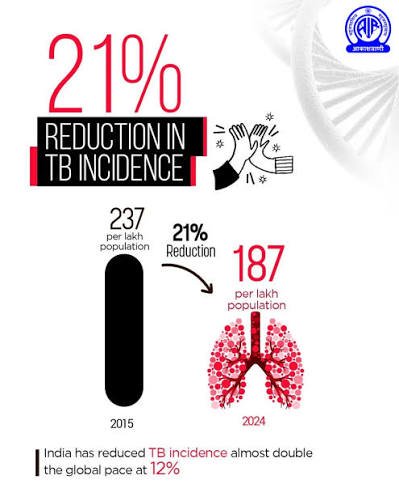
Key epidemiological / prevalence metrics show an incidence rate of 187 cases per 100,000 population, a mortality rate of 21 per 100,000 and treatment coverage reaching a fairly respectable 92% but still not 100%.
Progress – National Burden of TB fell from 237 cases per 100,000 in 2015 to 187 per 100,000 population in 2024.
Mortality – Dropped from 28 per 100,000 population in 2015 to 21 in 2024
Latent (Carrier but no apparent, frank symptoms) TB prevalence: Estimated at roughly 36% to 40% across the general Indian community. Yes, you read it right, little over 35% of Indian population carries Latent TB.
Vulnerable Risk Groups: Young adults aged 15–30 face high rates, and males show relatively higher active disease numbers due to occupational exposure
Nutrition: Undernutrition significantly compromises Indian’s immunity for TB; the risk of TB in Indians increases by about 14% per every unit drop in Body Mass Index (BMI)
Co-morbidities: Diabetes mellitus and HIV act as major drivers increasing susceptibility to active Tuberculosis disease progression. And equally ironically India has highest number of diabetics as well as prediabetics in the world.
Role of Nutrition
We do have some company from other inhabitants of Planet Earth in carrying Latest TB as approximately a quarter or 25% of humans globally are latently infected with Mycobacterium tuberculosis, causative bacterium of TB, but progression to active disease is prevented in the majority of infections by cell-mediated immunity.
Cell-mediated immunity is also known as T-cell mediated immunity and is distinct and complimentary to another form of immunity known as Humoral Immunity or in simple words, Antibodies based immunity such as IgG, IgM etc.
Our NUTRITION – Micronutrients and macronutrients – are vital in proper and optimal functioning of our immune system ensuring almost optimal Cell Mediated as well as Humoral Immunity at all time. Hence, although we may carry latent infections but due to our fairly well functioning Immune System, we may not have overt signs and a clinical disease. Such is importance of Good Nutrition.
Undernourished, malnourished individuals unfortunately, have impaired cell-mediated immune responses to M. tuberculosis and these malnourished individuals exhibit a peripheral immune response profile marked by increased inflammation, which might increase their risk of disease progression, disease severity, and treatment outcomes.
Malnourished Indians at Higher Risk
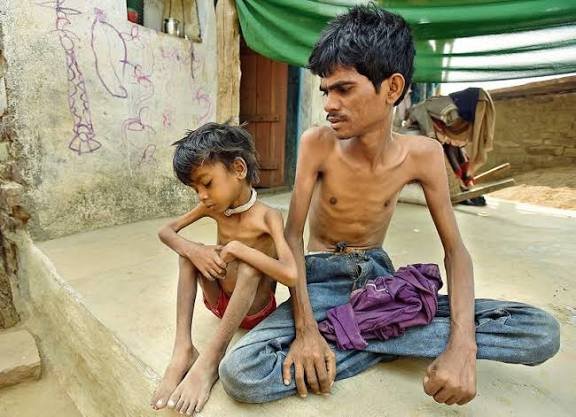
Undernutrition is the single largest risk factor driving the tuberculosis (TB) epidemic in India, accounting for roughly 29% to 35% (and up to 50% in specific models) of all active TB cases.
Over 50% of active TB patients in India present with clinical undernutrition, creating a severe bidirectional cycle where hunger weakens immunity to activate latent infections, and TB further wastes body tissue.
Population Impact: Studies show nearly 700,000 annual active TB cases in India are directly linked to low Body Mass Index (BMI) and calorie deficits
Vulnerable Groups: Tribal and marginalized communities face a compounded burden, with pooled malnutrition prevalence exceeding 51% among tribal TB patients
Immune Mechanism: Chronic protein-energy malnutrition impairs cell-mediated immunity (lowering CD4+ T-cell responses), enabling latent Mycobacterium tuberculosis to progress to active disease
Treatment Outcomes: Undernourished patients face higher rates of treatment complications, though targeted nutritional support schemes like the Nikshay Poshan Yojana aim to bridge nutritional gaps during therapy
Role of Nutrition – Evidence
A landmark Lancet Global Health publication argues that undernutrition is not merely a consequence of tuberculosis—it is one of its strongest and most preventable causes. The authors propose making nutritional assessment, counselling and support a routine part of TB care, while modelling studies indicate that eliminating adult undernutrition could avert more than 700,000 TB cases annually in India.
That makes nutrition not only a tool for recovery, but also a powerful strategy for prevention.
The Lancet analysis delivers a message that could reshape TB policy. Researchers estimated that if adult undernutrition had been eliminated, India might have prevented more than 700,000 new tuberculosis cases in a single year.
That figure is extraordinary because it suggests nutrition may be one of the country’s largest untapped TB-prevention strategies. Rather than focusing solely on diagnosing and treating infection, strengthening nutritional status could reduce the number of people who become ill in the first place.
Undernutrition Is the Leading Risk Factor for TB
The Lancet authors describe undernutrition as the leading global risk factor for tuberculosis. People who are undernourished have:
Reduced immune function
Higher risk of progressing from latent to active TB
More severe disease
Slower recovery
Higher mortality
Greater risk of treatment failure and relapse
The paper also recommends routine anthropometric assessment, haemoglobin testing, nutritional counselling, and both macro- and micronutrient support at the start of TB treatment.
Why Nutrition Matters to Immunity
The immune system requires adequate energy, protein and essential micronutrients to recognise and control infections. When nutritional intake is inadequate: Immune cells become less effective, Body produces fewer protective molecules, Tissue repair slows down and Resistance to infection declines. A perfect storm.
This creates an environment in which dormant, latent TB infection is more likely to become an active disease.
India’s Double Burden
Indian dichotomy is at full dispaly here – on one hand obesity and diabetes are increasing in Indian cities, millions of people including obese, continue to experience:
- Chronic undernutrition
- Protein deficiency
- Iron deficiency
- Vitamin D deficiency
- Vitamin B12 deficiency
- Zinc deficiency
- Anaemia
This coexistence of overnutrition and micronutrient deficiency is often referred to as the double burden of malnutrition and has important implications for infectious diseases such as TB.
Poverty, Food Insecurity and TB
The Lancet authors emphasise that nutrition cannot be separated from social conditions. Many people diagnosed with TB also face: Food insecurity, Low household income, Loss of employment due to illnesses and Limited access to diverse diets.
These factors reduce the ability to maintain adequate nutrition during treatment and can worsen outcomes.
A Shift in Public Health Thinking
Historically, nutritional support has often been viewed as an optional addition to TB care. The new evidence argues that nutrition should instead be considered a core component of treatment and prevention, alongside diagnostics, medicines and follow-up. This represents a significant shift in thinking that could influence TB programmes in India and other high-burden countries.
Recognizing this critical link, Indian scientists under active support from Govt of India, have generated groundbreaking evidence that has directly shaped World Health Organization’s (WHO) global policy and National Tuberculosis Elimination Programme (NTEP) strategies on nutrition-sensitive TB care.
World Health Organization’s 2025 Consolidated Guidelines on Nutrition and Tuberculosis emphasize nutritional support as a core component of TB care and prevention. Through collaborative platforms such as RePORT India (Regional Prospective Observational Research for Tuberculosis) and the TB LION Consortium (Tuberculosis—Learning the Impact of Nutrition), Indian researchers have generated pivotal evidence linking nutritional status with TB disease progression, immune responses, and treatment outcomes.
The National Tuberculosis Elimination Programme (NTEP) now requires mandatory nutritional checks, counselling, and support for all TB patients. This work, driven by collaborations through the INDO US TB Programme under DBT-NIH partnership and institutions such as JIPMER, is turning research into real action. Furthermore, JIPMER, Pondicherry has been recognized for its scientific leadership by being named an ICMR Centre for Advanced Research in Infectious Diseases (Tuberculosis), boosting India’s commitment to eliminating TB by 2035 through new data and policies.