

Vitamin Deficiencies in India
Mineral Deficiency in India
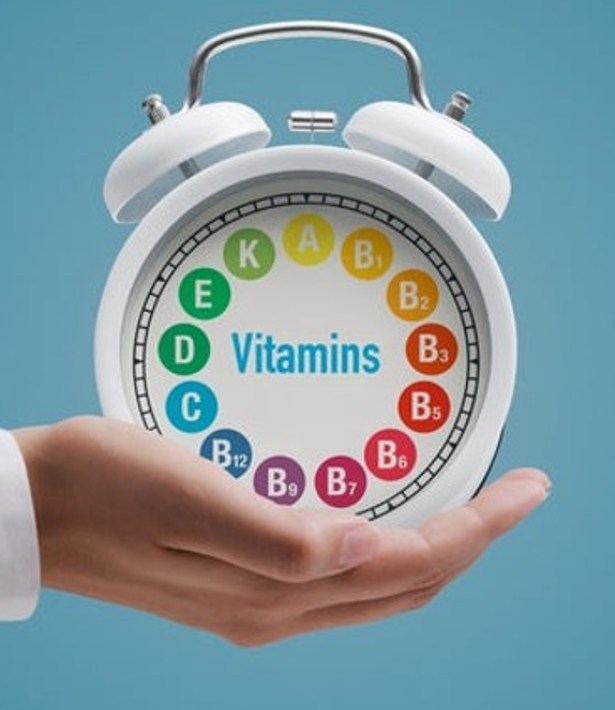
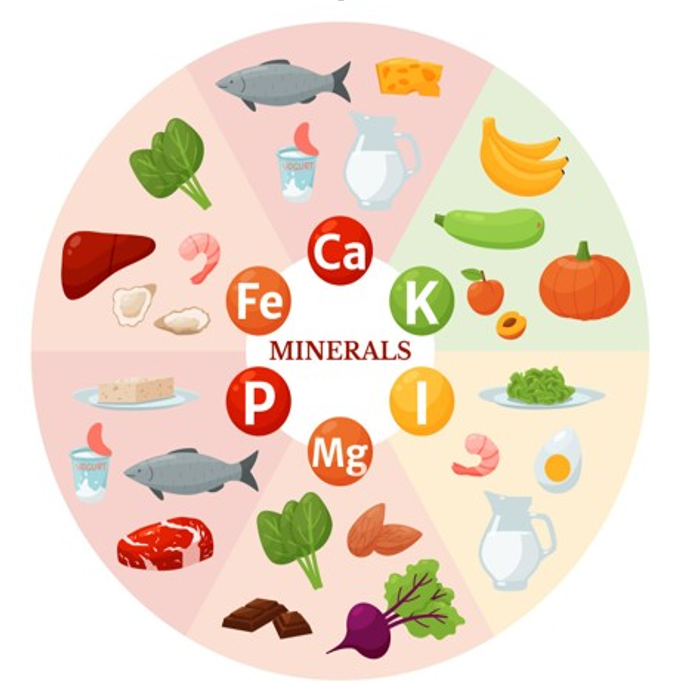
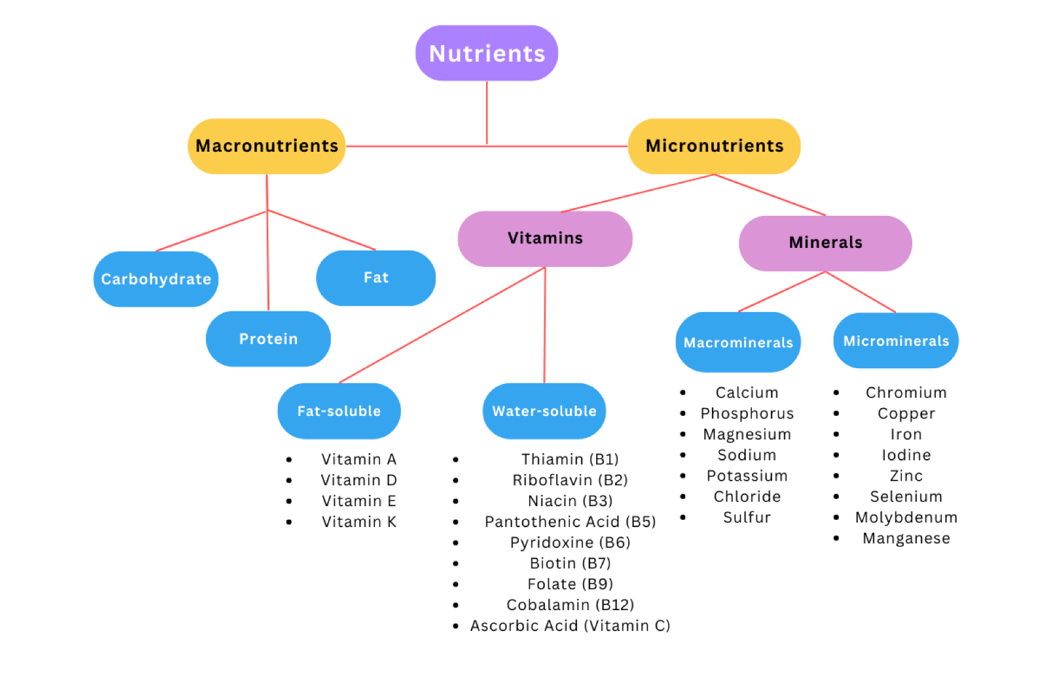
Drug/treatment | Micronutrient deficiency |
CRRT | Copper, selenium, vitamin C, folate, thiamine, and carnitine |
Proton pump inhibitors | Vitamin B 12 |
Metformin (especially chronic use and high-dose metformin) | Vitamin B 12 |
Loop diuretics | Vitamin B 1 , calcium, and magnesium |
Thiazide diuretics | Zinc, magnesium |
Glucocorticoids | Calcium |
Isoniazid | Niacin, pyridoxine |
Valproic acid | Carnitine |
Methotrexate, pentamidine, sulfasalazine, phenytoin, cholestyramine | Folate |
Statins | Coenzyme Q10 |
ACE inhibitors | Zinc |
ACE, angiotensin-converting enzyme; CRRT, continuous renal replacement therapy
Micronutrient deficiency leading to disease | ||
Micronutrient deficiency | Subsequent disease | |
Vitamin B 1 | Anemia, heart failure, and sarcopenia | |
Vitamin B 6 | Heart failure, sarcopenia | |
Vitamin B 9 | Anemia, hypertension, and obesity | |
Vitamin B 12 | Anemia, osteoporosis, sarcopenia, and NAFLD | |
Vitamin C | Obesity | |
Vitamin D | Vascular function, osteoporosis, and sarcopenia | |
Vitamin E | Sarcopenia | |
Vitamin K | Osteoporosis, CVD, and diabetes mellitus | |
Cr | Diabetes mellitus | |
Cu | Anemia, COPD, and osteoporosis | |
Mg | Osteoporosis, diabetes complications, diabetes mellitus, prediabetes, and asthma | |
Se | Prediabetes, asthma, CVD, and obesity | |
Zn | Prediabetes, obesity, and osteoporosis | |
Disease states leading to micronutrient deficiency | ||
Disease | Vitamin deficiency | Mineral deficiency |
Alcoholism | B 1 , B 2 , B 6 , B 9 , B 12 , C, D | Zn 54 |
Chronic intestinal failure | A, B 12 , D, E, K | Mg, Fe, Zn 55 |
Chronic atrophic gastritis | B 12 , C, D | Ca, Fe 56 |
Chronic renal failure | B vitamins, C, D | Cu 58 |
Inflammatory bowel disease | B 1 , B 6 , B 9 , B 12 , D, K | Fe, Se, Zn 59 |
Liver disease | B 1 , B 6 , B 9 , D, E | Cu, Zn 60 |
Vitamin/mineral | Role in the human body |
Vitamin B 1 | Antioxidant; inhibits oxidative-stress-mediated stimulation of NFκB |
Vitamin B 2 | Antiinflammatory; cofactor for enzymes |
Vitamin B 6 | Regulates intestinal immunity; maintains NK cell cytotoxicity activity |
Folate | Maintains NK cell cytotoxicity activity |
Vitamin B 12 | Immunomodulator for cellular immunity |
Vitamin C | Maintains redox homeostasis; regenerates antioxidants to the active state |
Vitamin E | A fat-soluble antioxidant that protects against free radicals enhances IL-2 production, decreases prostaglandin production |
Vitamin D | Increases the oxidative potential of macrophages; reduces the expression of proinflammatory cytokines |
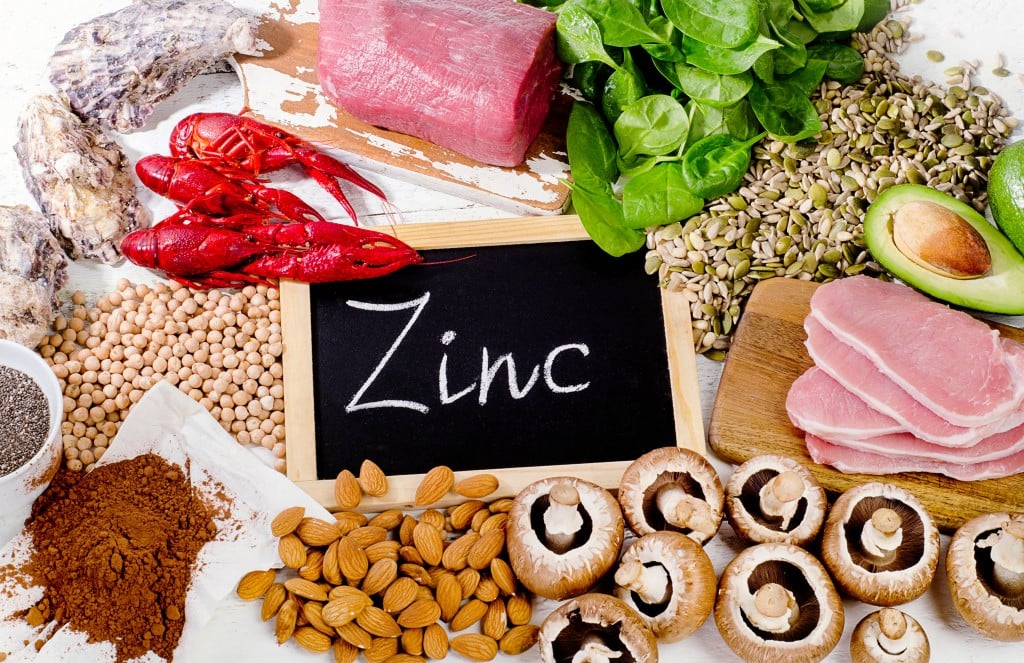
Zinc | Maintains/enhances NK cell cytotoxicity activity; plays a role in the growth and differentiation of immune cells; enhances phagocytic activity of peritoneal macrophages |
Selenium | Selenoproteins are important for antioxidant defence |
Iron | Bacterial killing by neutrophils, components of enzymes critical for immune cell functioning |
Magnesium | Cofactor for enzymes and stabilized nucleic acids, involved in DNA replication and repair |
DNA, deoxyribonucleic acid; IL-2, interleukin-2; NFκB, nuclear factor kappa B; NK, natural killer

Lorem Ipsum is simply dummy text of the printing and typesetting industry.
Lorem Ipsum has been the industry's standard dummy text ever since the 1500s, when an unknown prin
© CodeStockIT. All Rights Reserved 2025
.jpeg)
.jpeg)
.jpeg)
.jpeg)